Lot Clearing
We clear building lots ahead of the builder and overgrown lots ahead of a sale. Brush and small trees are mulched in place, and the trees you want stay standing.
Learn More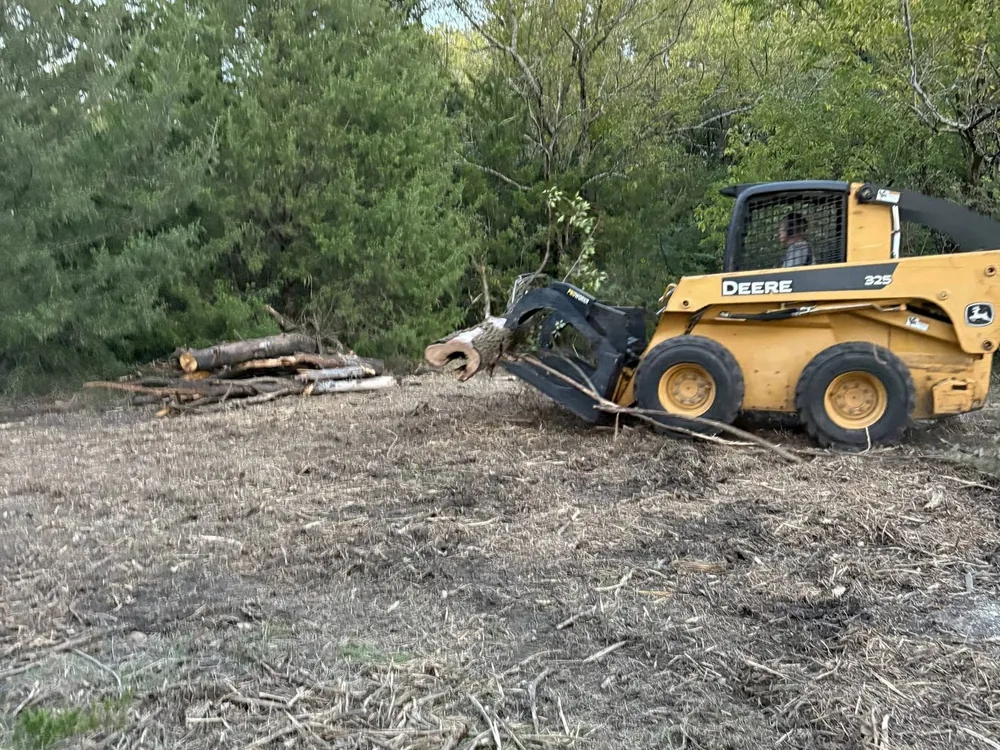
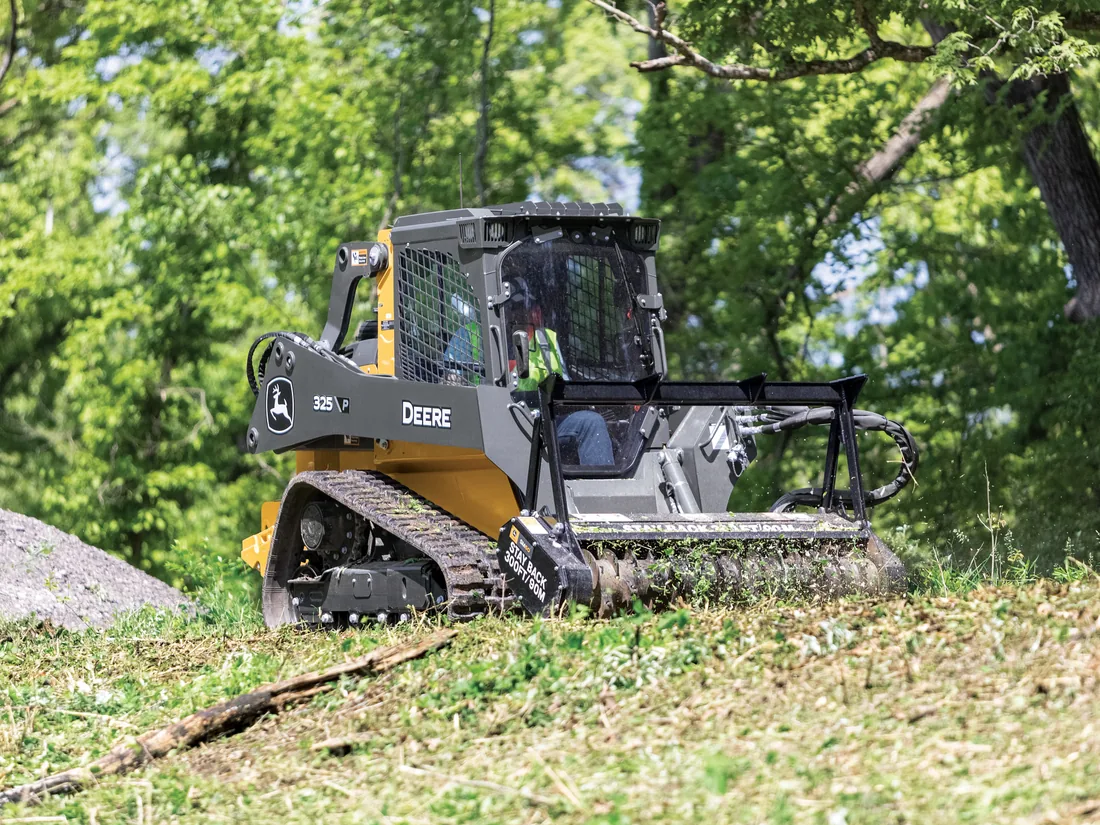
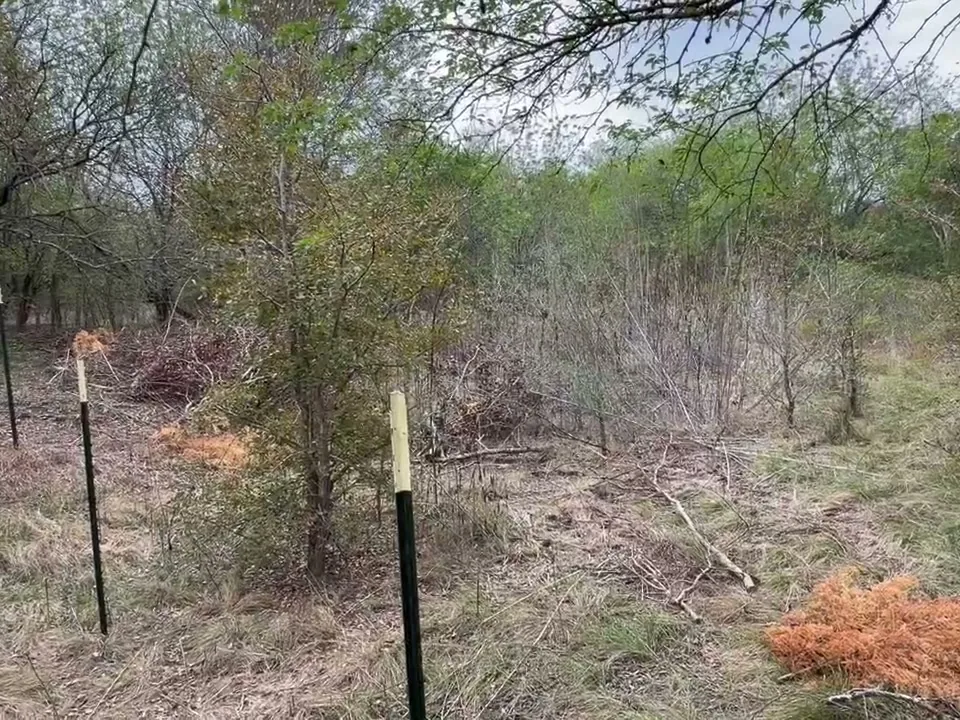
Brush clearing takes back land that thick growth has closed in. Around Waxahachie, cedar and mesquite take over idle land, and vines fill in the gaps. Ground you could once see across becomes a wall of brush. We clear it with a compact track loader that carries a forestry mulching head.
We clear brush on rural acreage and home sites across Ellis County and the counties around it. Most brush is mulched where it stands, and the mulch stays on the ground. In dense spots, a grapple can push brush into piles first. Brush clearing is one of the ways we handle land clearing in Waxahachie.
Tell us about the land, what you want done and where it is. We look at the land and put the quote in writing.
Unused pasture on the Blackland Prairie fills in with brush. Around Ellis County, mesquite, cedar, bois d'arc and honey locust are common invaders. Cattle and wildlife spread mesquite seed in their droppings, and birds carry cedar seed the same way. Left alone, the brush closes into a thicket.
Dense brush cuts the forage that livestock and wildlife eat, the extension service says. It also makes cattle harder to gather and move. As cedar trees get bigger, they shade out more grass. Extension guides on cedar advise starting early, when control works better and costs less.
Texas range research cites many studies that found more grass after mesquite control, though results vary with soil and rain. Where brush has swallowed a fence, our fence line clearing opens the wire back up.
Some of it does. The extension service says most woody plants sprout again from the crown or the roots. That happens when only the top is cut. The mulcher cuts brush at the ground, and the roots stay in the soil.
Mesquite is the stubborn one. It sprouts back from a bud zone under the ground. Texas range research says years of killing only the tops have turned many mesquite stands into multi-stem thickets. Cedar behaves better: extension guides say an eastern red cedar cut below its lowest branches will not regrow.
The extension service calls brush control ongoing work. A return pass with the mulcher keeps sprouts short and the land open. It does not kill a mesquite root, so for that, bring in a licensed pesticide applicator.
In wooded spots, the trouble is often the floor of the woods. Young cedar and greenbrier crowd in under the big trees. Underbrush clearing takes everything on the floor and leaves the trees you mark.
If oaks share the ground, timing matters. From February through June, the state forest service asks Texans not to wound oaks at all. A fresh wound can let oak wilt in, and the agency counts land clearing among the causes. Outside that window, it says any wound on an oak should still be painted.
Creeks and draws collect a thick band of brush along their banks. We clear that band from dry ground. Work in the water itself can fall under the federal Clean Water Act. The U.S. Army Corps of Engineers runs that permit program.
Call or text for a written quote. We work about 200 miles around Waxahachie across Ellis County and the counties around Dallas and Fort Worth.
(469) 309-7002From the first call or text to the finished work, here is how it goes.
Call or text (469) 309-7002, or send the form. Tell us where the land is and how thick the brush has grown.
We come out to see the brush and the way in for the machine. You tell us what the land is for, and we plan the work around it.
The quote lists the work and the price in writing. Work starts once you approve it.
We set a start date with you and bring in the mulcher. Brush and small trees turn to mulch where they stand.
When the plan calls for dirt work, the pad and the drive go in next. The job ends with open ground ready to use.
Common questions about brush clearing around Waxahachie and the counties south of Dallas and Fort Worth. If yours is not here, call or text and ask.
We clear building lots ahead of the builder and overgrown lots ahead of a sale. Brush and small trees are mulched in place, and the trees you want stay standing.
Learn More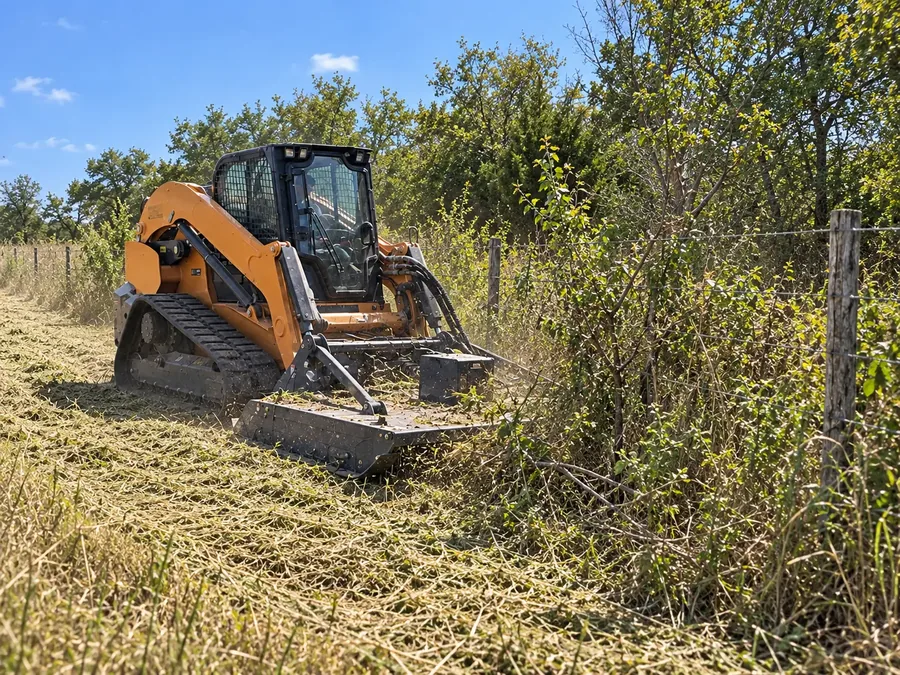
We mulch the brush and trees that grow into fence rows and along property lines. You get a fence you can see and a clear strip to build or survey on.
Learn More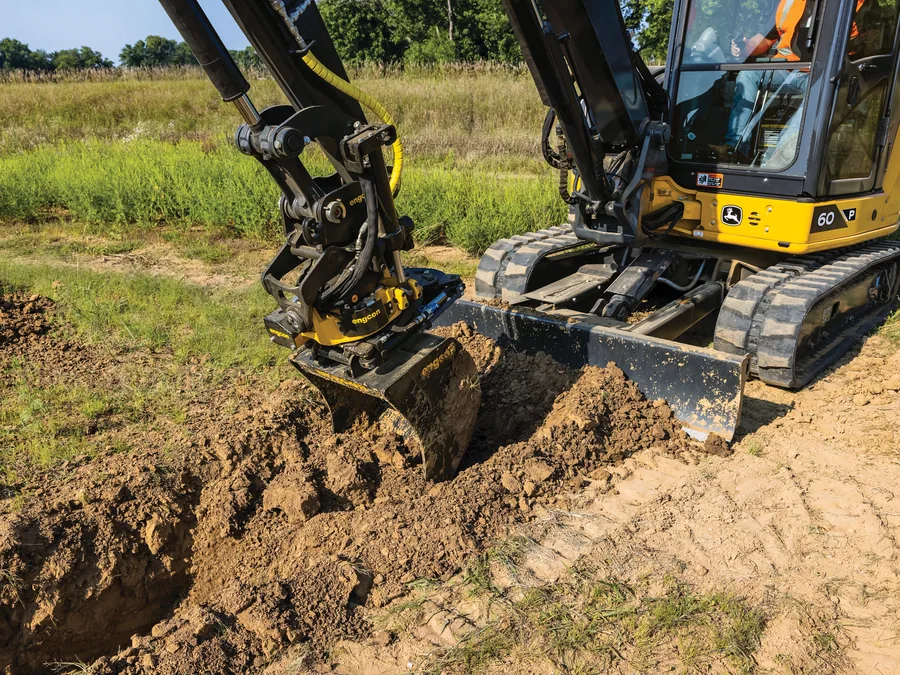
Footing and slab digs to the builder's plan, plus trenches and drainage ditches around Waxahachie and Ellis County. We look at the ground and put the quote in writing.
Learn MoreWe clear the land, then build the pad and the gravel drive that come after it. One company carries the job to finished ground.
You pick the trees that stay, and the mulcher clears the brush and saplings around them. Shade trees stay up while the thicket under them goes.
On the Blackland Prairie, black clay takes in rain slowly once it is wet. We shape pads and drives so the rain runs off them.
We come out and look at the land before we price anything. The written quote spells out the work, and you decide with it in hand.
Tell us about the land, such as how thick the brush is and how hilly the ground gets. You can also call or text (469) 309-7002, and we will set a time to look at it.
Tell us about the land, what you want done and where it is. We look at the land and put the quote in writing.