
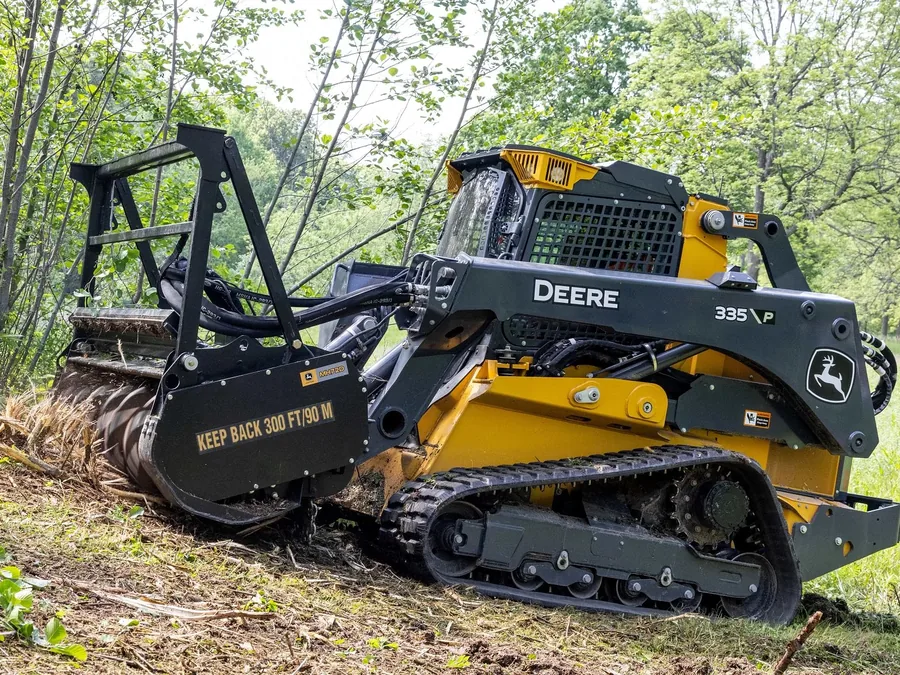
Forestry Mulching
A compact track loader with a mulching head shreds cedar and brush where they grow. The mulch stays on the ground, and the trees you flag stay standing.
Learn More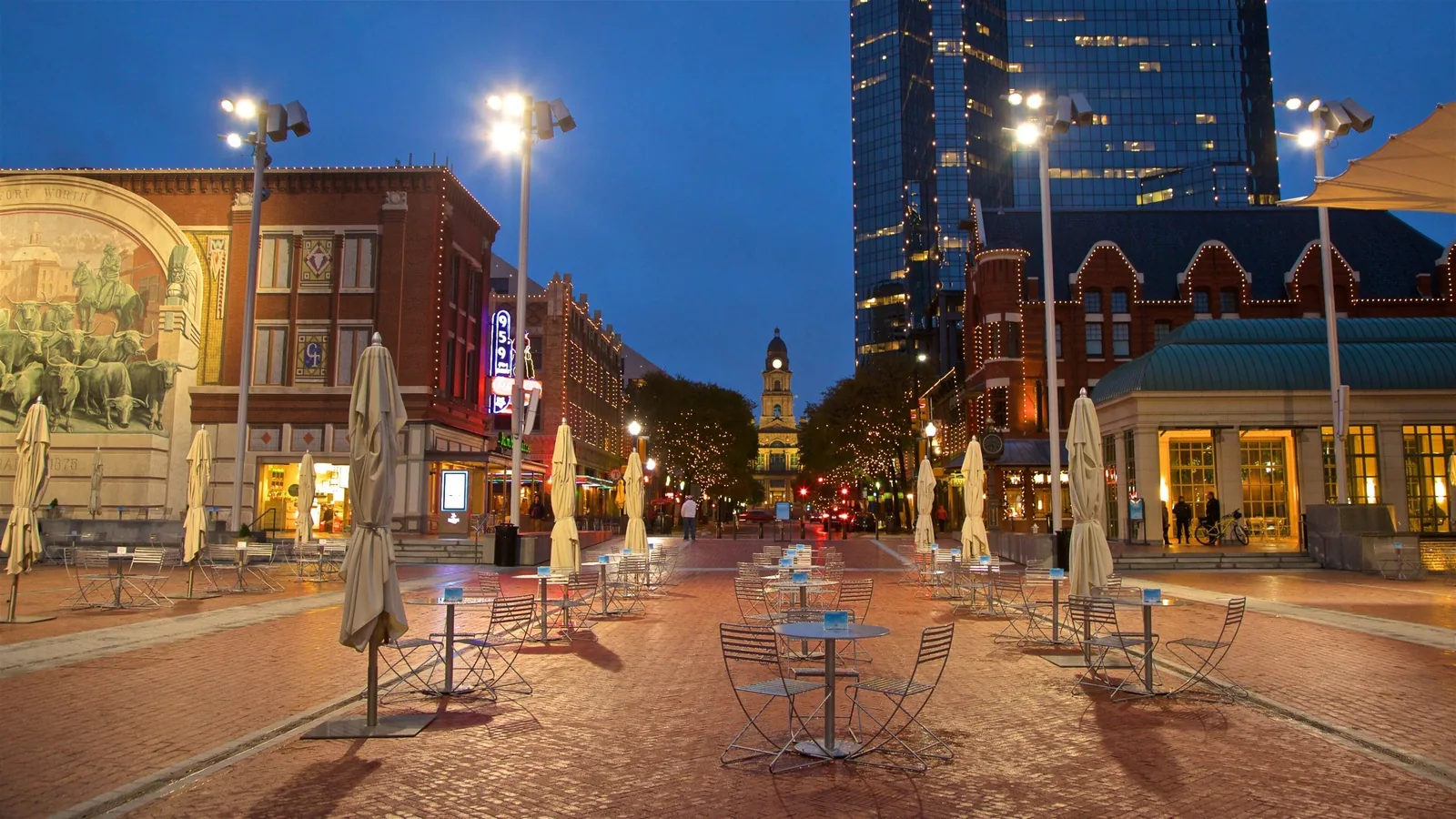
Fort Worth still has big blocks of undeveloped land north of Loop 820 and on the far west side. The city's tree guide lists hackberry, cedar elm, bois d'arc and mesquite on old farmland south of Loop 820. Near the western city limits, mesquite and redcedar lead the list. Before you can place a house or sell a tract, you need to see the ground.
Kingdom Earthworks is a land clearing and dirt work company serving Waxahachie and the counties around Dallas and Fort Worth. Waxahachie sits at the center of our service area, and Fort Worth is part of it. Here we clear acreage and overgrown lots with forestry mulching, then handle the dirt work the land needs next. Call or text (469) 309-7002 and tell us about the land.
Tell us about the land, what you want done and where it is. We look at the land and put the quote in writing.
Fort Worth passed one million people in the Census Bureau's estimates. Its July 2025 estimate was 1,028,117, more than 100,000 above 2020. The city authorized 5,887 new single-family homes in 2025, by the Census Bureau's building permit survey.
Fort Worth's neighborhoods now reach far from downtown. Sendera Ranch and Tehama Ridge sit on the far north side. Summer Creek and Chisholm Trail Ranch sit to the southwest, and Ventana sits farther west. On open land at the edges, lot clearing comes before a builder starts or a tract goes up for sale.
We work for landowners, builders, developers and real estate agents with land in and around the city. An idle tract often needs brush work before a buyer can see what it holds.
The City of Fort Worth publishes a guide to its trees by area. It says much of East Fort Worth was once part of the Eastern Cross Timbers. That hardwood forest was mostly post oak and blackjack oak, with cedar elm. The guide says it grew so thick it was known as the Cast Iron Forest.
Most of the undeveloped forest that remains lies east of Loop 820. Around Lake Worth, post oak and blackjack oak grow on sandy soils, and cedar and hackberry hold the rocky ridges.
North Fort Worth sits on shallow clay over limestone, and the southwest adds patches of dense black clay. Hackberry, cedar elm, mesquite and bois d'arc are common on both. On ground like this, a compact track loader with a forestry mulching head does the brush clearing. It grinds unwanted cedar and mesquite where they stand and leaves the trees you pick.
Fort Worth's urban forestry rules sit in Section 6.302 of the city's zoning ordinance, updated in 2025. They cover removing any tree six inches or more in diameter, measured 4.5 feet above the ground. They also cover clearing or grading all or part of a property. A single residential lot of one acre or less with a one- or two-family home is exempt.
On a project the rules cover, at least 25 percent of the protected tree canopy must stay. For post oak and blackjack oak, the share is at least half. The biggest trees come out only by city permit. That means post oaks and blackjack oaks 18 inches across or more, and other protected trees from 24 inches.
The ordinance lists other exemptions and ways to make up for removed trees. The city's urban forestry staff in Development Services answers for your parcel, and we point you there before work starts.
Two branches of the Trinity River run through Fort Worth. The West Fork flows through Eagle Mountain Lake and Lake Worth into the city. The Clear Fork runs through Benbrook Lake and joins the West Fork near downtown. Mary's Creek crosses the southwest side, and Sycamore Creek winds northeast to the river.
We clear the brushy edge of a creek from dry ground and stay out of the water. The city's stormwater page says any development in the floodplain without a permit is illegal. Its grading permit page lists a Floodplain Development Permit where one applies. Work in a creek itself can bring in the U.S. Army Corps of Engineers.
Drainage matters on Fort Worth clay. The city says most reported flooding here happens outside the FEMA floodplain. It also says lot-to-lot drainage is each owner's job. After clearing, land grading shapes the ground so water runs away from a pad or a drive.
Communities and areas we serve around Fort Worth: Summer Creek, Chisholm Trail Ranch, Wedgwood, Candleridge, Ventana, Tehama Ridge, Sendera Ranch, Lake Worth, Fort Worth Nature Center and Refuge, Tandy Hills Natural Area, Benbrook Lake, Chisholm Trail Parkway.
Fort Worth ZIP codes served: 76102, 76108, 76116, 76119, 76123, 76126, 76131, 76132, 76133, 76134, 76135, 76140, 76177, 76179.
Fort Worth is part of our service area. We look at the land first, then put the quote in writing.
(469) 309-7002 A compact track loader with a mulching head shreds cedar and brush where they grow. The mulch stays on the ground, and the trees you flag stay standing.
Learn More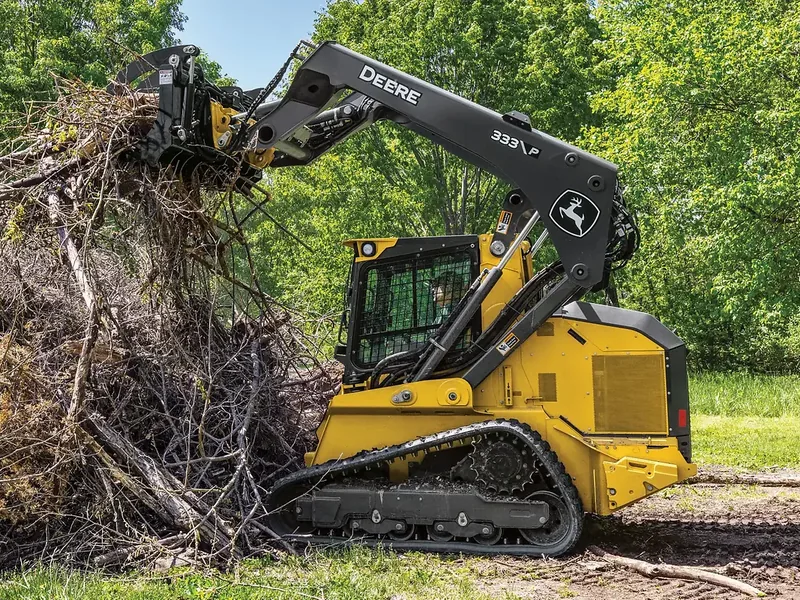
We clear thick brush and regrowth off pasture and raw land. Most of it is mulched where it stands, and a grapple can push dense brush into piles.
Learn More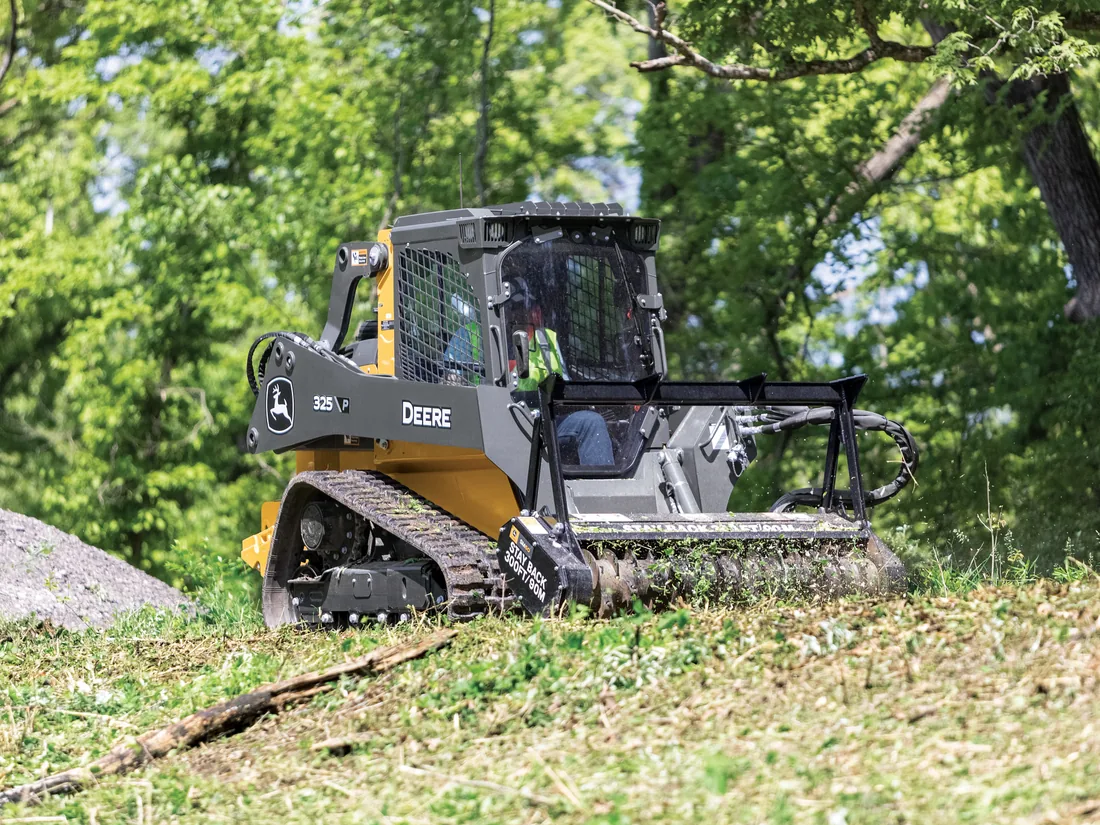
We clear building lots ahead of the builder and overgrown lots ahead of a sale. Brush and small trees are mulched in place, and the trees you want stay standing.
Learn More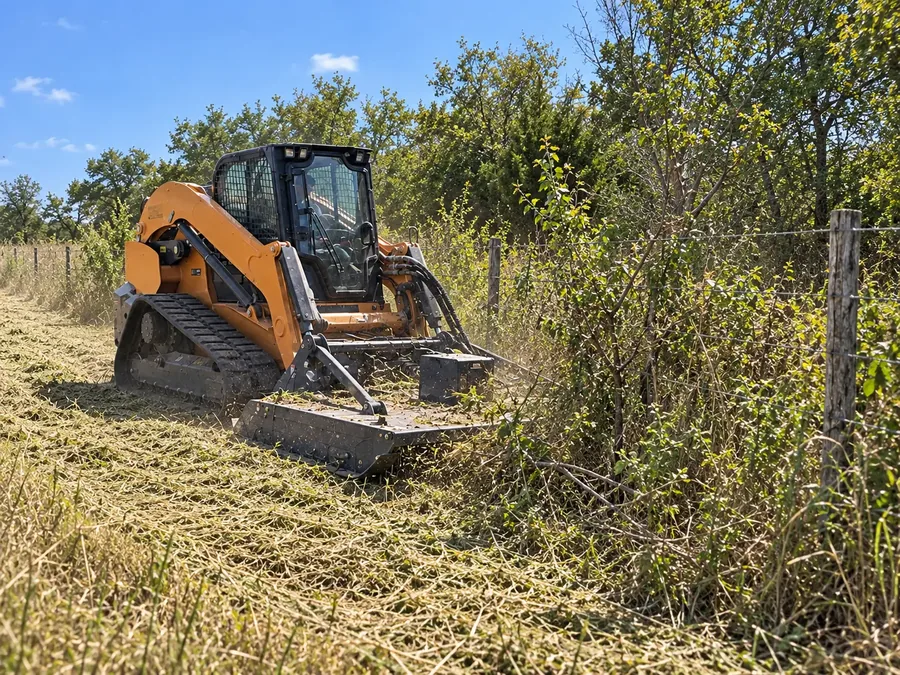
We mulch the brush and trees that grow into fence rows and along property lines. You get a fence you can see and a clear strip to build or survey on.
Learn More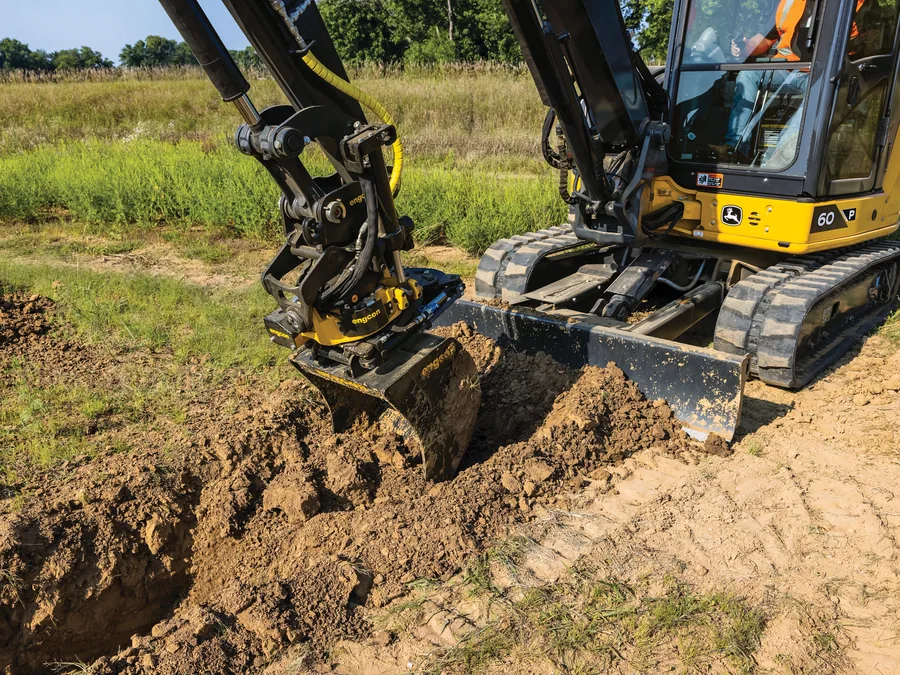
Footing and slab digs to the builder's plan, plus trenches and drainage ditches around Waxahachie and Ellis County. We look at the ground and put the quote in writing.
Learn More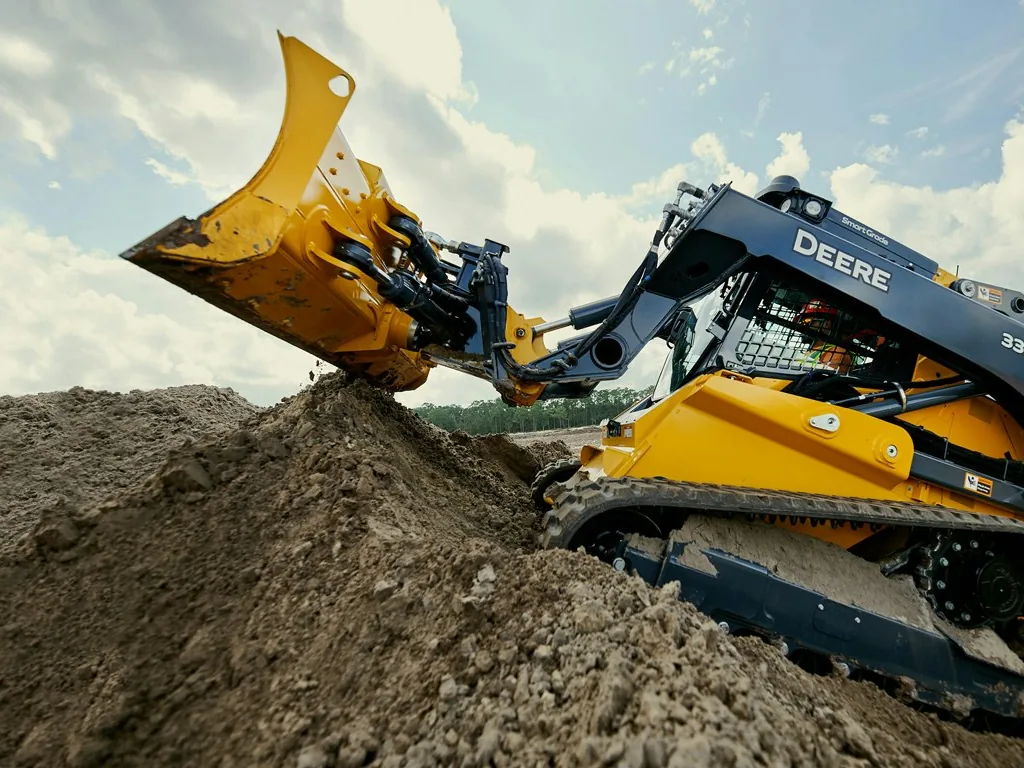
Fill, backfill, berms and rough shaping for home sites and rural land. We move dirt from where it sits to where the job needs it.
Learn More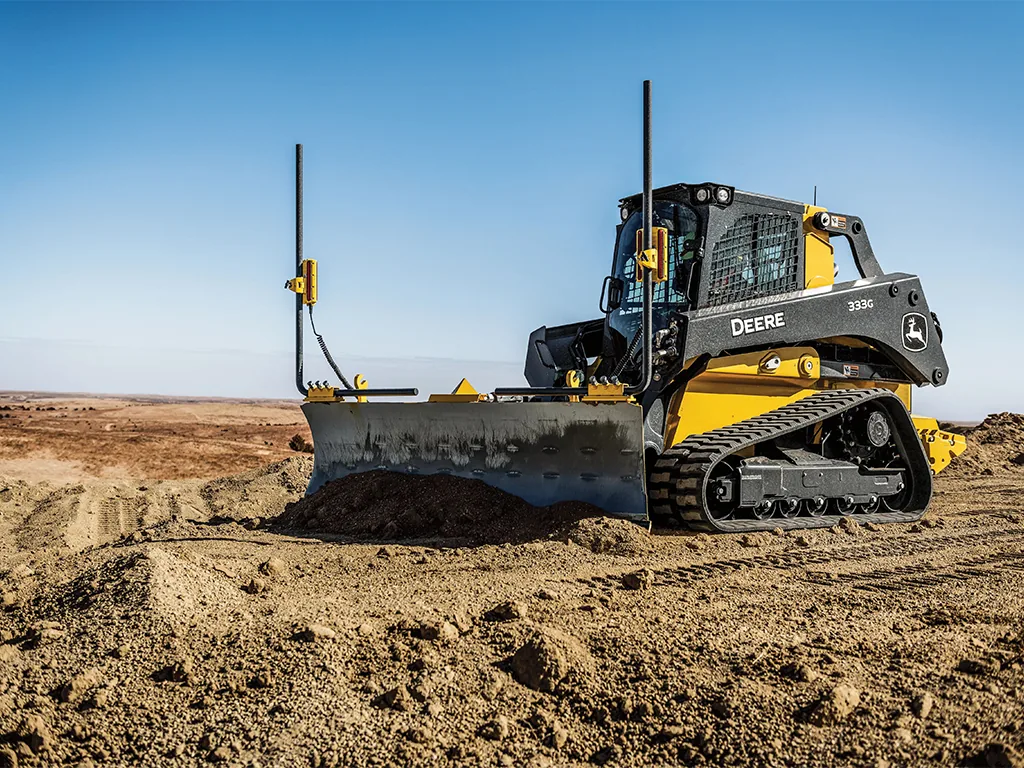
We cut the high spots and fill the low ones so rain runs away from your buildings. We grade yards at new homes and rough acreage in the Waxahachie area.
Learn More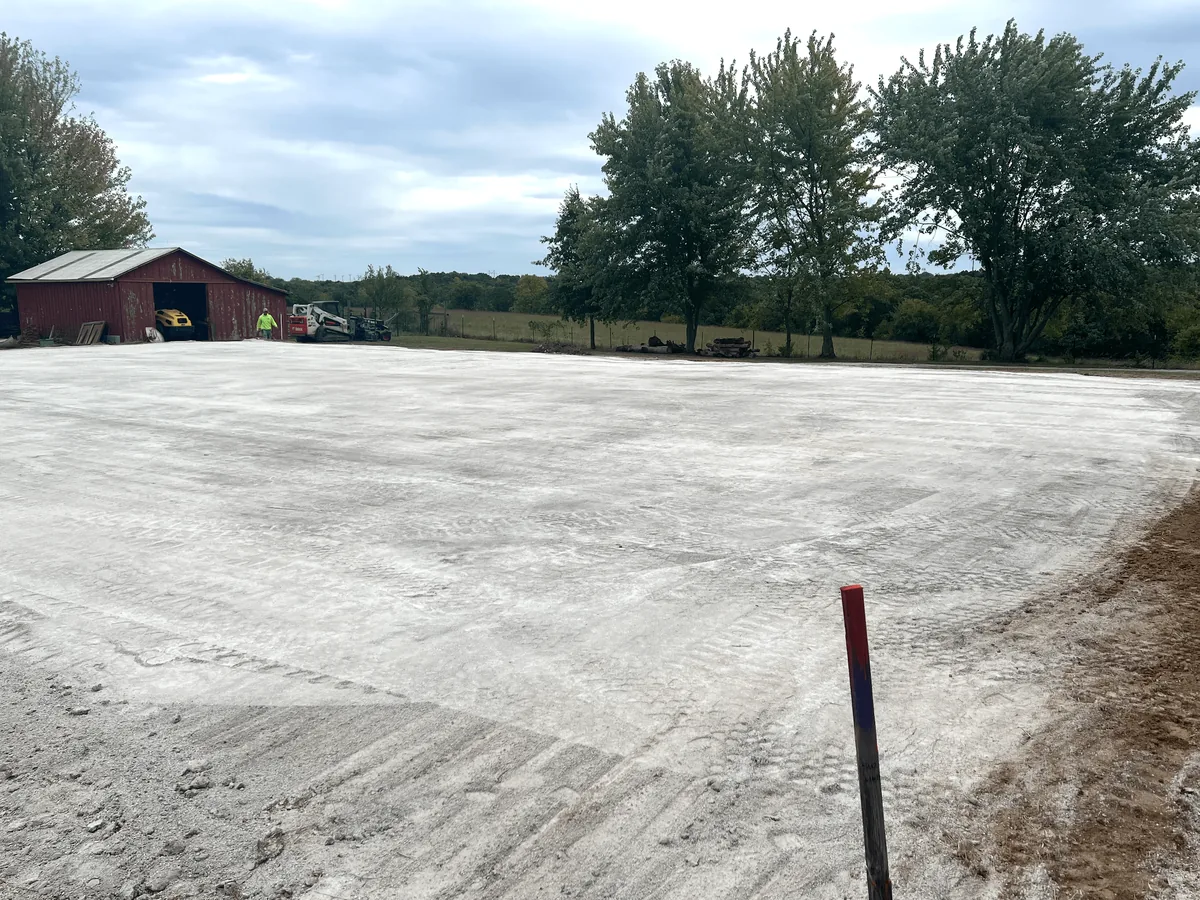
We turn raw land into a site ready to build. We clear the ground and build the pad to your builder's plan.
Learn More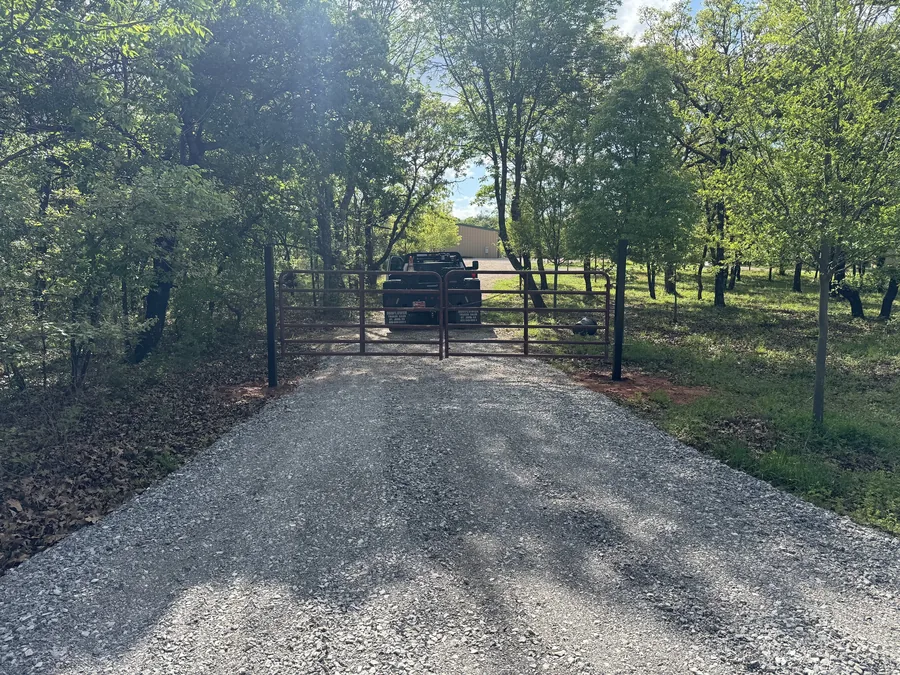
We build gravel driveways onto raw land and home sites, from the base up to the top rock. We also level and regrade worn gravel driveways.
Learn More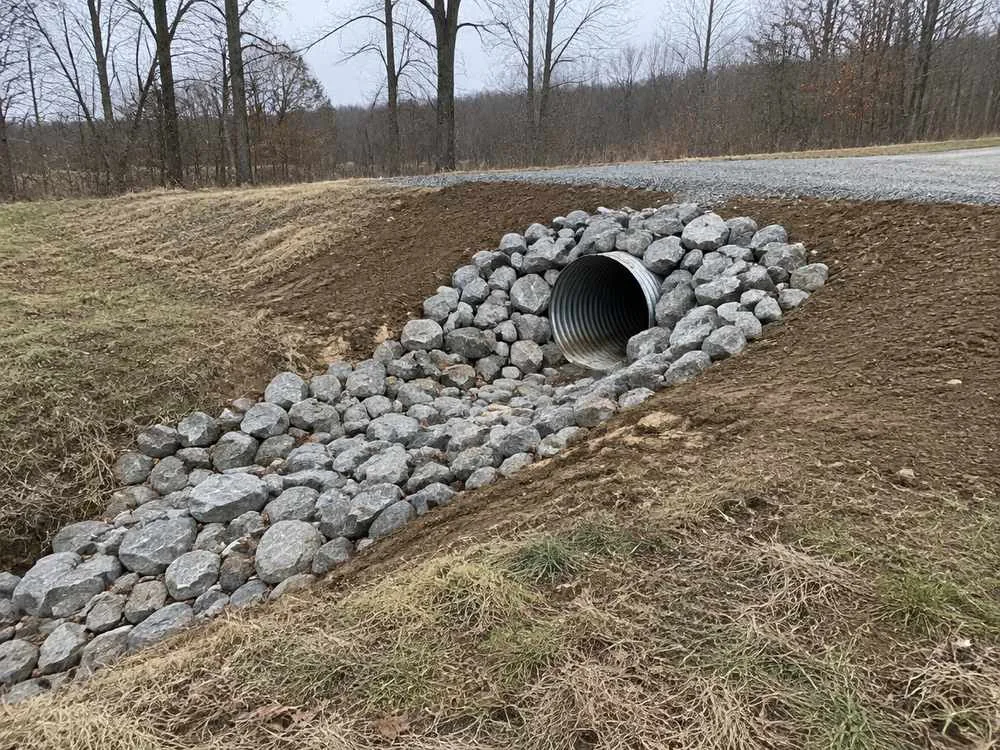
Driveway culverts at the road ditch and culvert crossings where a ranch road meets a draw. Each pipe goes in at the low line where water runs, on a firm, even bed.
Learn More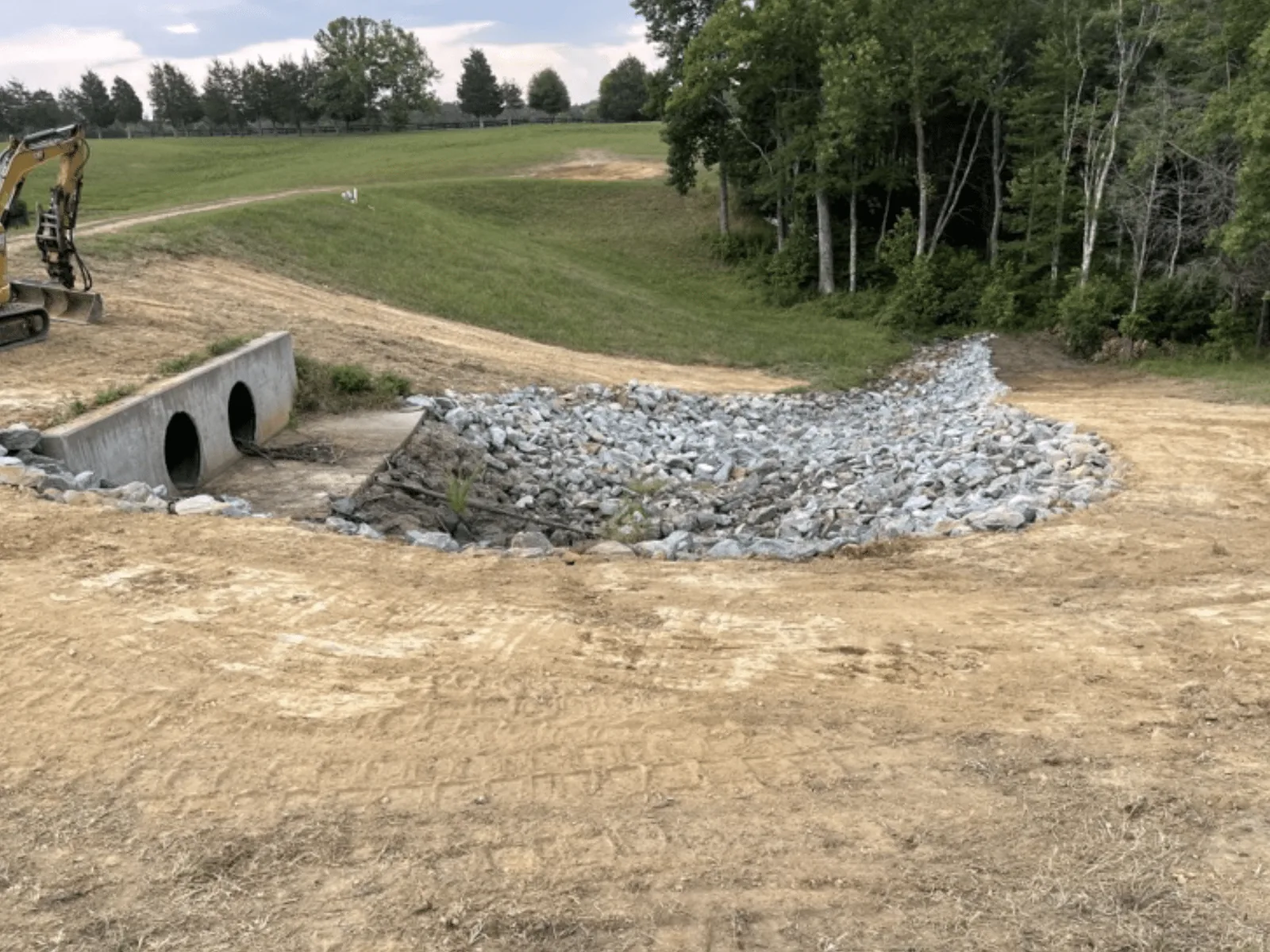
We set rock rip rap on washing banks, in ditches, at culvert outlets and on pond dams. We also shape the ground so runoff slows down and stops cutting.
Learn More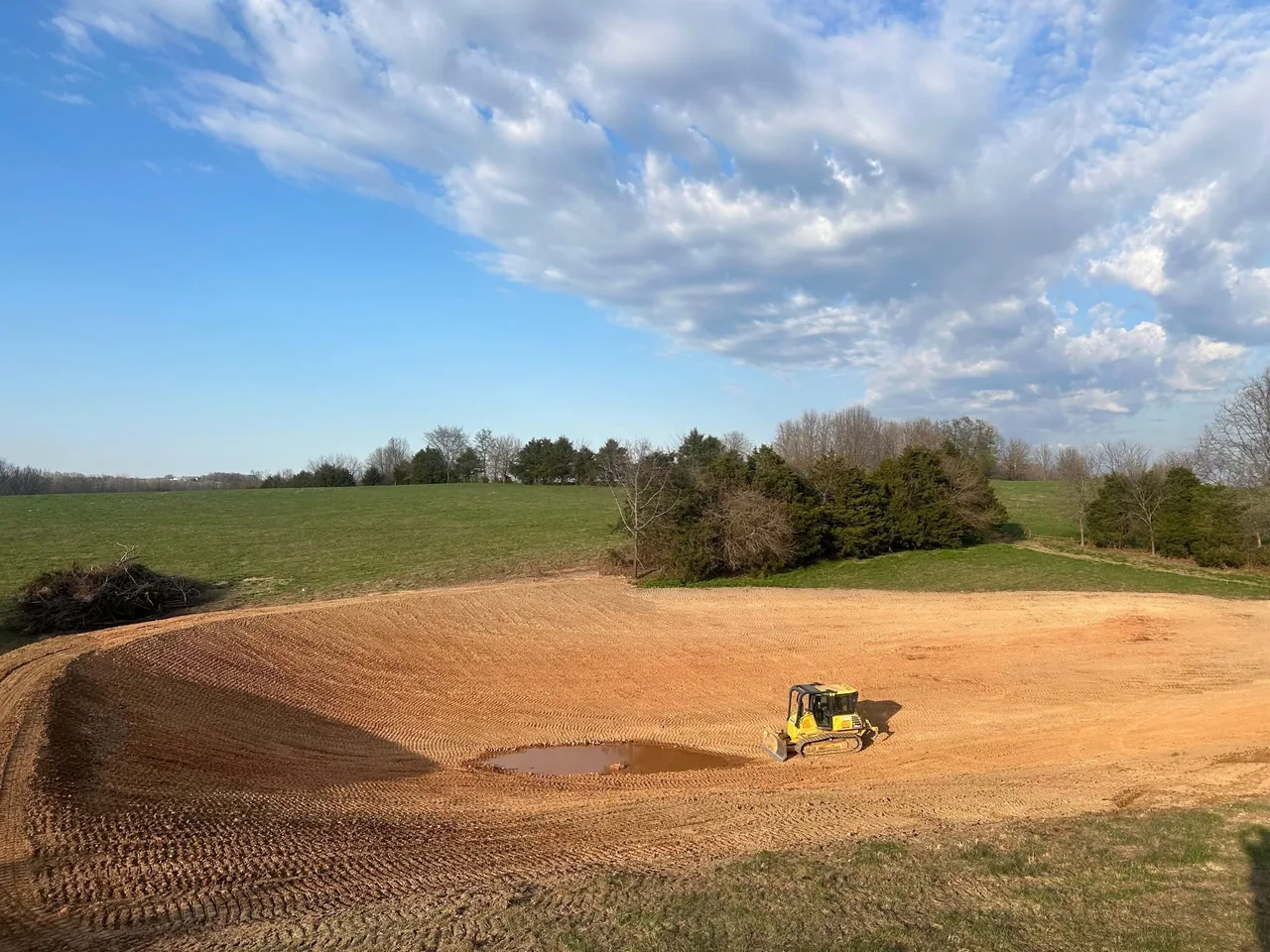
We build stock tanks and big ponds on rural land around Waxahachie. Each one starts with the clay under the spot and the land that drains to it.
Learn More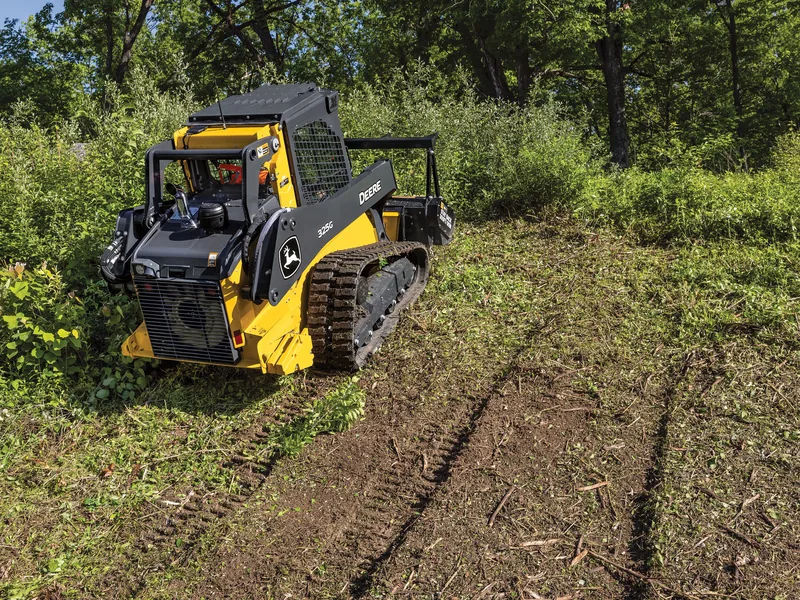
We cut UTV trails and hunting trails through brush and woods with a forestry mulching head. The mulch stays on the trail, and the trail bends around the trees you keep.
Learn More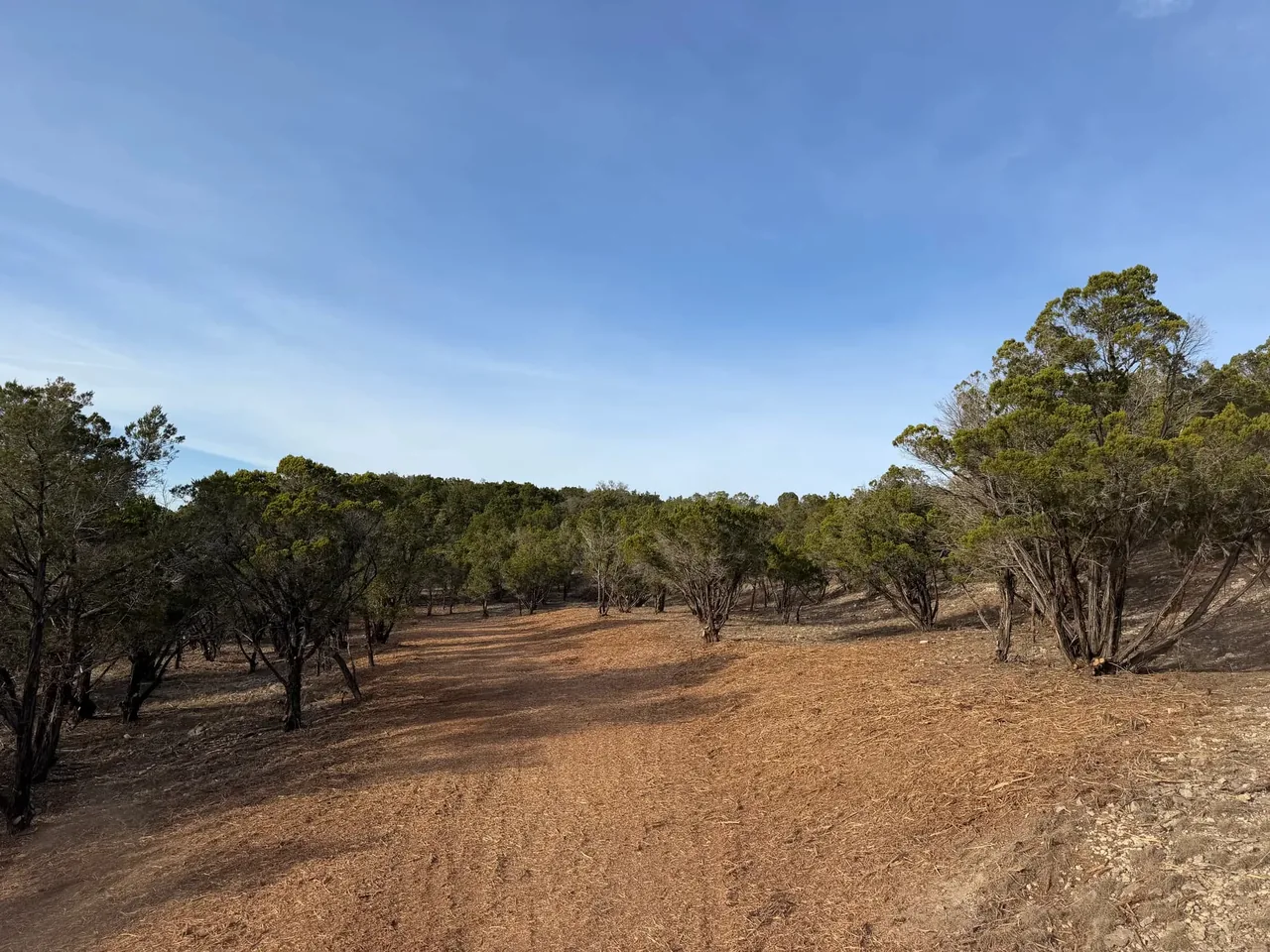
We cut and mulch fire breaks along fence lines and around homes and barns. Widths follow guidance from the state forest service and the AgriLife Extension Service.
Learn MoreA few of the questions we hear most around Fort Worth. If yours is not here, call or text and ask.
Tell us about the land, such as how thick the brush is and how hilly the ground gets. You can also call or text (469) 309-7002, and we will set a time to look at it.
Tell us about the land, what you want done and where it is. We look at the land and put the quote in writing.