
Forestry Mulching
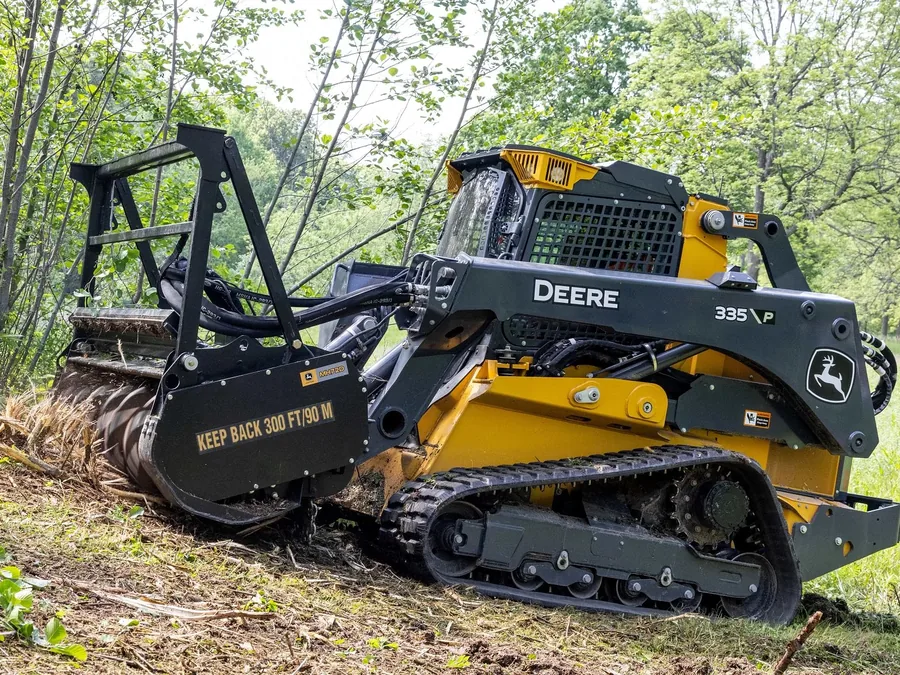
A compact track loader with a mulching head shreds cedar and brush where they grow. The mulch stays on the ground, and the trees you flag stay standing.
Learn More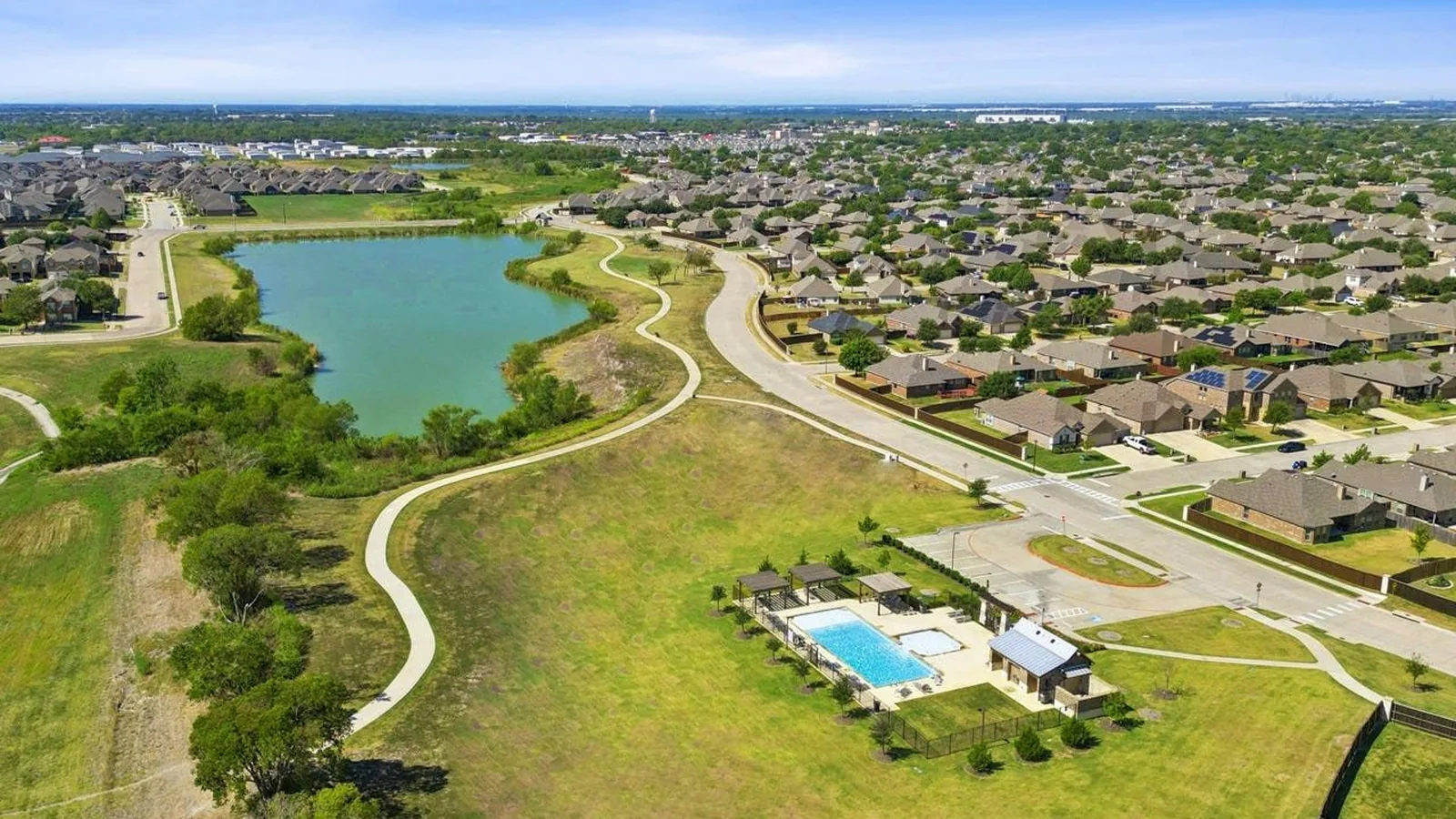
Forney is growing fast. The Census Bureau counted 23,455 people here in 2020 and estimated 41,658 by July 2025. Much of the land around town was farmed or grazed, and most of it is dark Blackland clay. Idle ground on that clay fills with mesquite and brush, and a few seasons can hide a fence line.
Kingdom Earthworks does land clearing in Forney, and the town is part of our service area around Waxahachie. We clear with a compact track loader that carries a forestry mulching head. The mulcher grinds brush and small trees where they stand, and most of the mulch stays on the ground. Call or text (469) 309-7002, and we look at the land and put the quote in writing.
Tell us about the land, what you want done and where it is. We look at the land and put the quote in writing.
NRCS soil maps put Houston Black clay under about three quarters of the land inside Forney's city limits. It is a Vertisol, a clay that swells when it gets wet and cracks as it dries. NRCS places it in hydrologic group D, the soils that shed the most water when wet.
That clay shapes the work. Black clay is hard to work wet, and a heavy machine can rut it deep. So we check the ground before we set a date with you.
NRCS rates Houston Black very limited for local roads because of shrink-swell and low strength. A drive or a building pad here needs a solid base and a way for water to leave. The city also says private drainage and erosion are the owner's job.
On USGS stream maps, Buffalo Creek and Mustang Creek both cross Forney's city limits. The Handbook of Texas says Mustang Creek rises just east of town and runs 8.5 miles southwest. It meets the East Fork of the Trinity River near Crandall. Lake Ray Hubbard sits just north of Forney on the East Fork, and it was first named Forney Lake.
NRCS maps about 7 percent of the city's land as Trinity clay, a bottomland soil that floods at times. Where NRCS calls it frequently flooded, floods can last 7 to 30 days from November through May. The Handbook says mesquite and cactus grow on the dark clays along Mustang Creek. EPA notes for the Northern Blackland Prairie say stream bottoms were often wooded with oak, hackberry, elm, ash and pecan.
Our brush clearing stays on the dry ground along a creek. We mulch the underbrush and saplings and leave the big trees you want to keep. Putting fill or a crossing in a creek can need a federal permit from the U.S. Army Corps of Engineers.
The 2010 Census counted 14,661 people, so the 2025 estimate is nearly three times that. In the Census Bureau's 2020 to 2024 survey, about three in four homes here were built in 2000 or later. About four in five are single-family detached houses.
New homes keep going up. Census permit counts show 1,387 new single-family homes permitted in the city from 2023 through 2025. The city's planned development list includes Gateway Parks, Fox Hollow, Overland Grove and Stonebriar Estates.
Raw land gets cleared before a house goes up. Our lot clearing is for builders and for agents with land to sell. We mulch the brush and leave the trees the builder wants. Then our dirt work can follow for the pad and the drive.
Inside the city, Forney's zoning ordinance protects trees on vacant and undeveloped land. A protected tree is a species on the city's approved plant list with a trunk 6 inches or more across. The list includes cedar elm, pecan, ash and several oaks. Outside a development review, removing one takes a Tree Removal Permit.
The city's page on its extraterritorial jurisdiction says tree preservation is enforced up to 5,000 feet past the city limits. A lot zoned single-family with a house already on it is exempt from the tree rules. For floodplain questions, the city points builders and owners to its Engineering Department. The city manager or a designee reviews Tree Removal Permit applications, so ask the city before clearing starts.
Outside the city limits, Kaufman County Development Services handles most permits. The county requires a floodplain permit for development in FEMA-mapped areas, and its form lists fill and excavation. A driveway culvert in county right-of-way needs a county culvert permit, and the precinct commissioner's office sets the pipe size. For a drive onto US-80 or an FM road, ask TxDOT's Dallas District.
Communities and areas we serve around Forney: Downtown Forney, Gateway Parks, Fox Hollow, Diamond Creek Estates, Mustang Creek Estates, Overland Grove, Park Trails, Stonebriar Estates, Trails of Chestnut Meadows, Lake Ray Hubbard, US-80, FM 548.
Forney ZIP codes served: 75126.
Forney is part of our service area. We look at the land first, then put the quote in writing.
(469) 309-7002 A compact track loader with a mulching head shreds cedar and brush where they grow. The mulch stays on the ground, and the trees you flag stay standing.
Learn More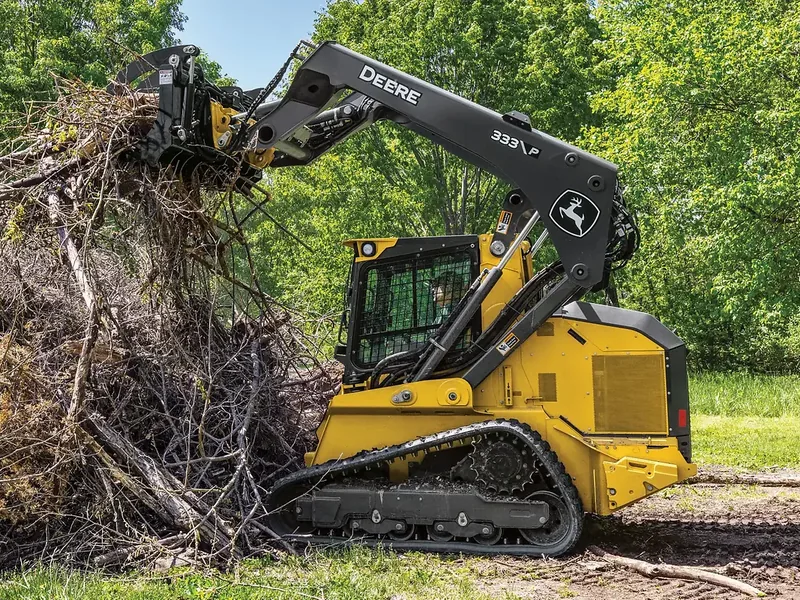
We clear thick brush and regrowth off pasture and raw land. Most of it is mulched where it stands, and a grapple can push dense brush into piles.
Learn More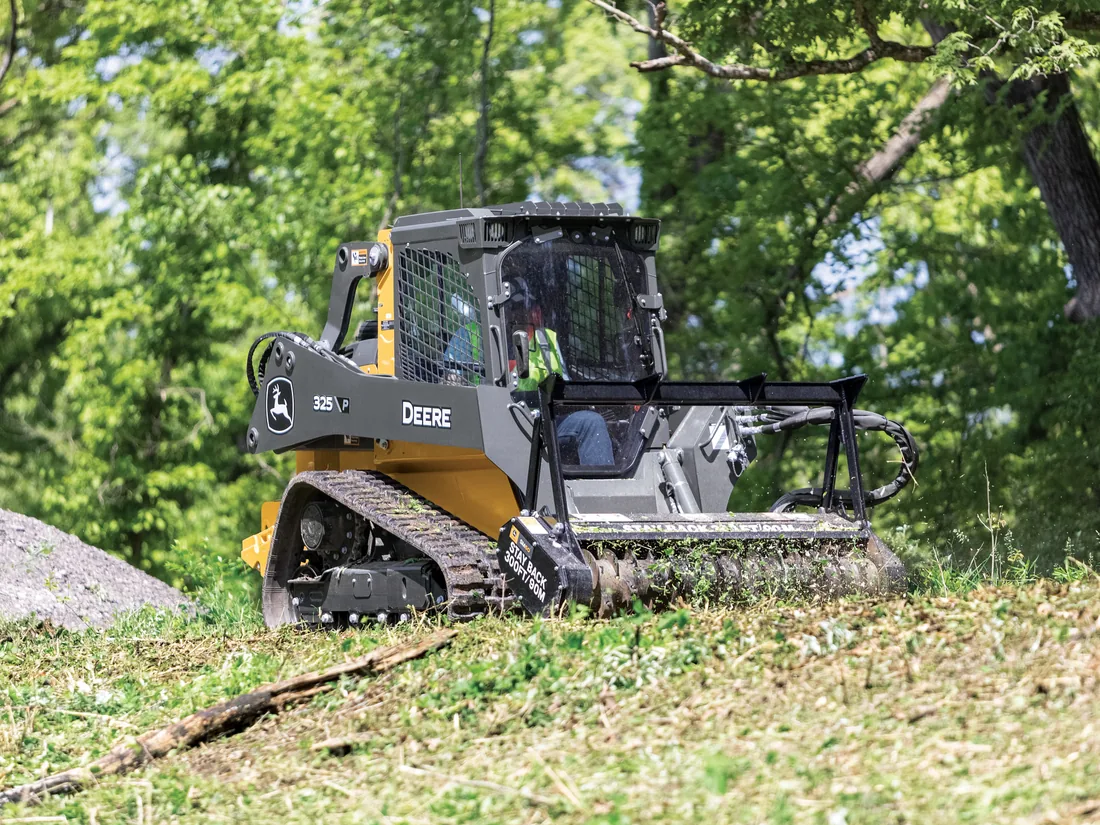
We clear building lots ahead of the builder and overgrown lots ahead of a sale. Brush and small trees are mulched in place, and the trees you want stay standing.
Learn More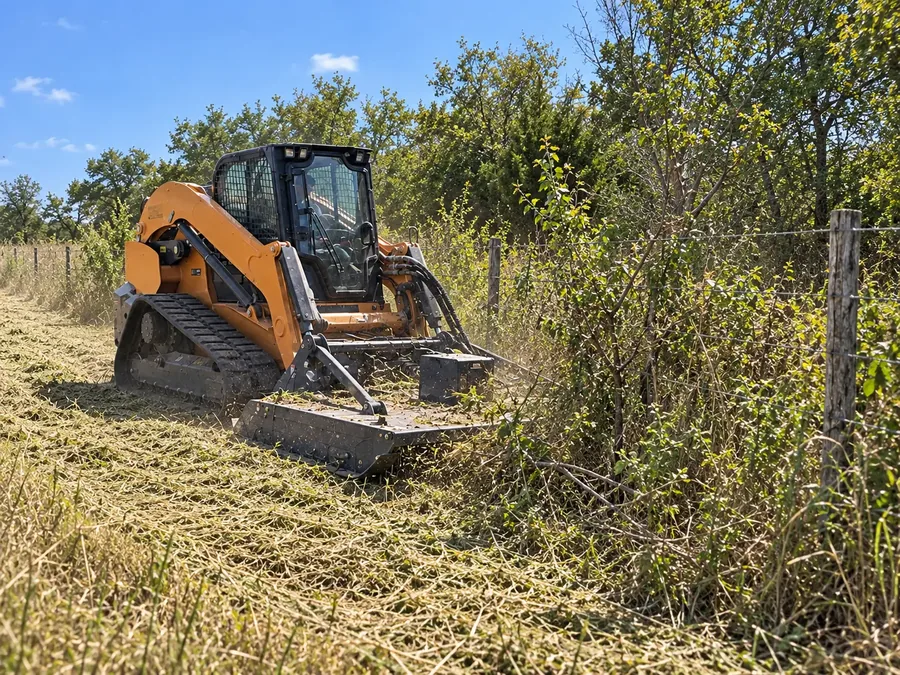
We mulch the brush and trees that grow into fence rows and along property lines. You get a fence you can see and a clear strip to build or survey on.
Learn More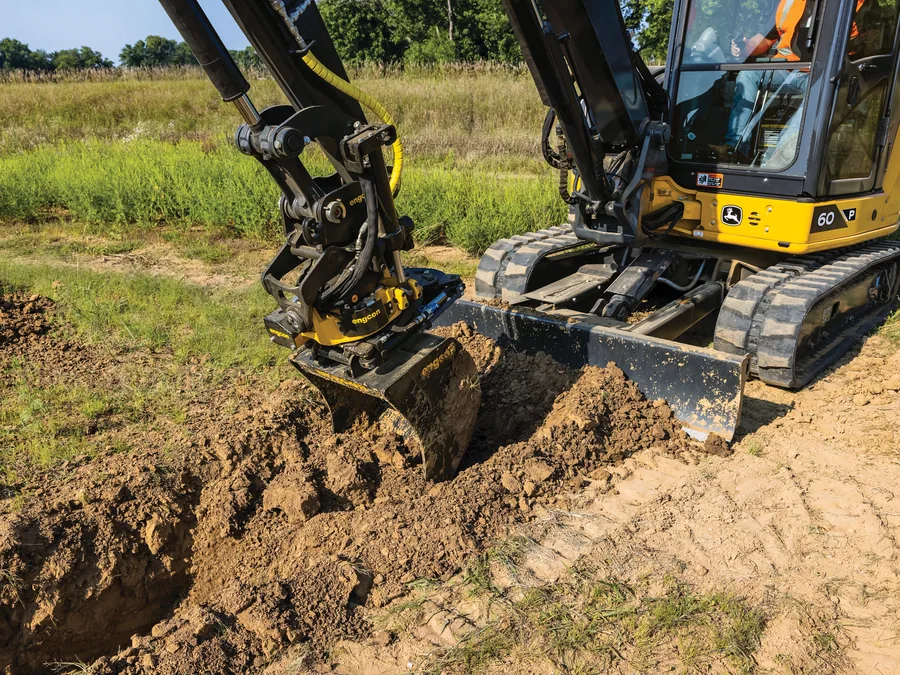
Footing and slab digs to the builder's plan, plus trenches and drainage ditches around Waxahachie and Ellis County. We look at the ground and put the quote in writing.
Learn More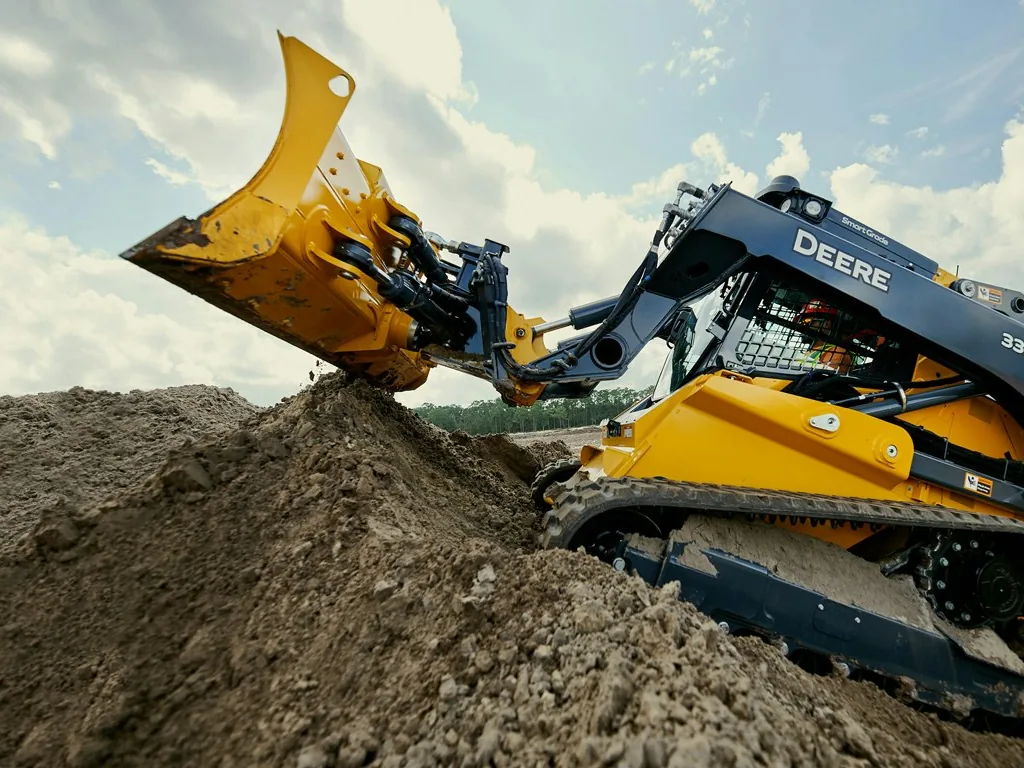
Fill, backfill, berms and rough shaping for home sites and rural land. We move dirt from where it sits to where the job needs it.
Learn More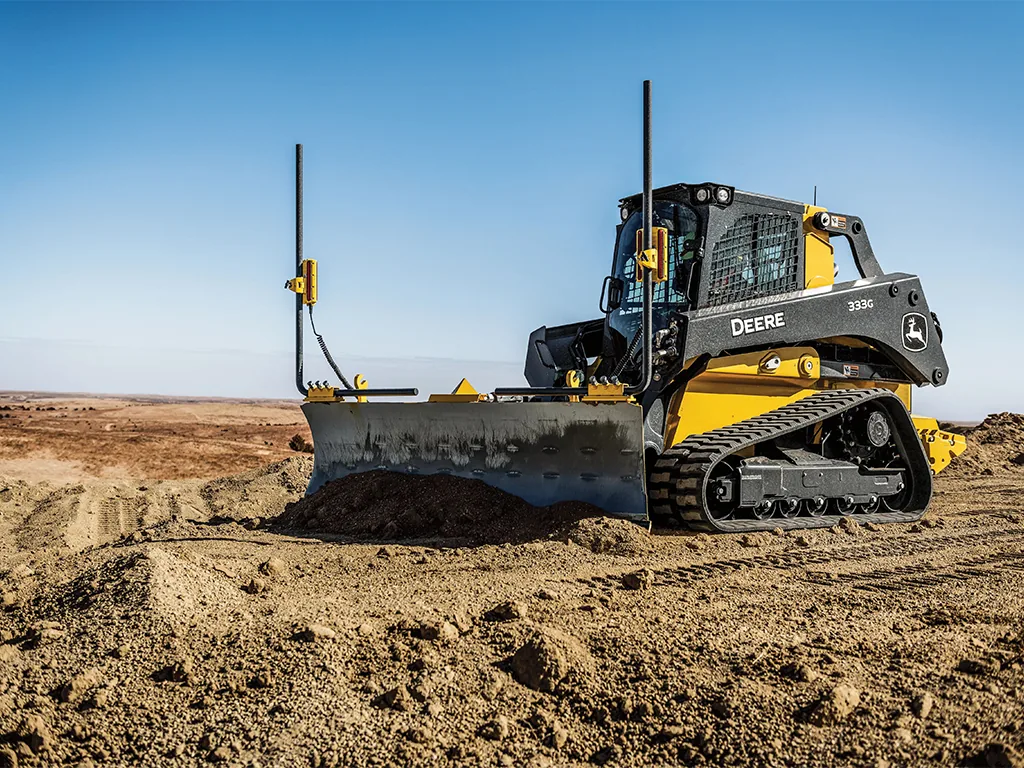
We cut the high spots and fill the low ones so rain runs away from your buildings. We grade yards at new homes and rough acreage in the Waxahachie area.
Learn More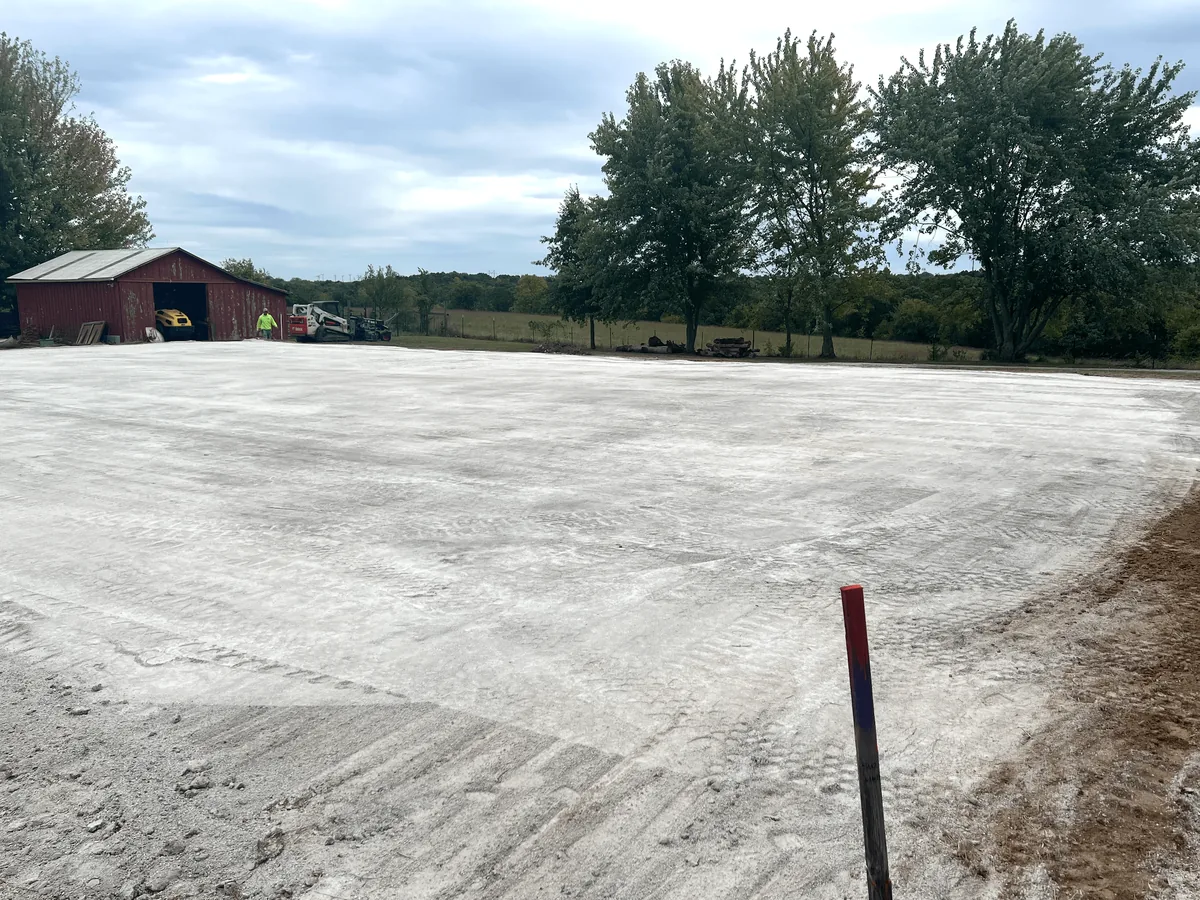
We turn raw land into a site ready to build. We clear the ground and build the pad to your builder's plan.
Learn More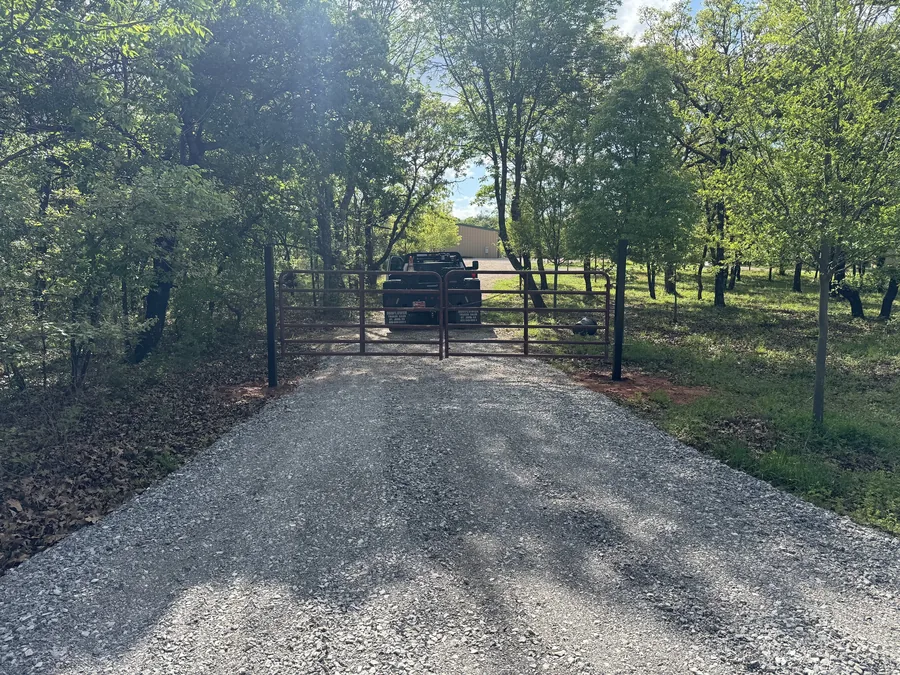
We build gravel driveways onto raw land and home sites, from the base up to the top rock. We also level and regrade worn gravel driveways.
Learn More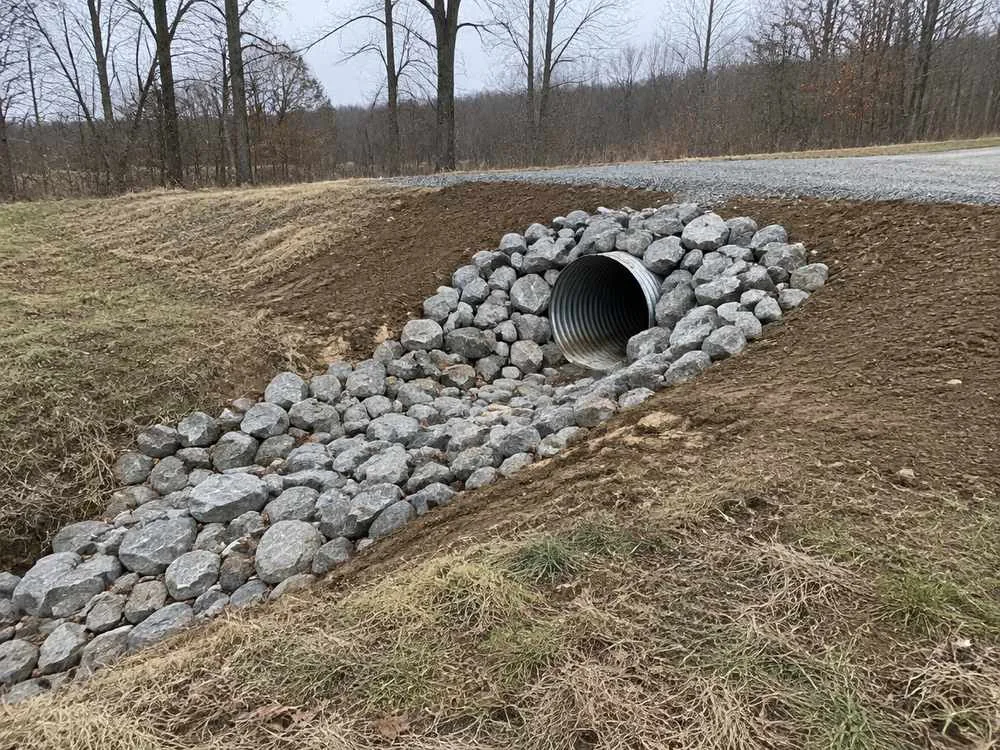
Driveway culverts at the road ditch and culvert crossings where a ranch road meets a draw. Each pipe goes in at the low line where water runs, on a firm, even bed.
Learn More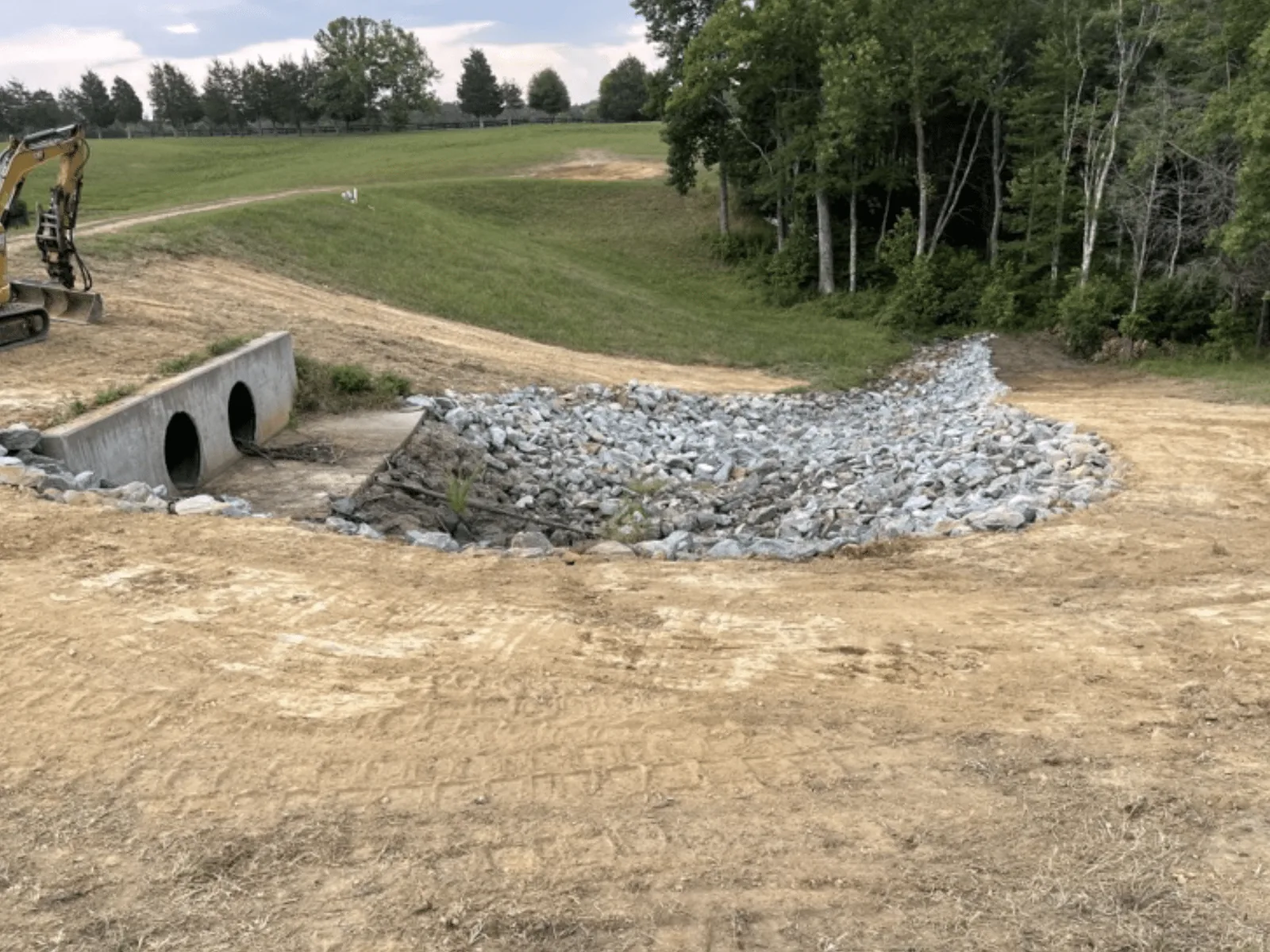
We set rock rip rap on washing banks, in ditches, at culvert outlets and on pond dams. We also shape the ground so runoff slows down and stops cutting.
Learn More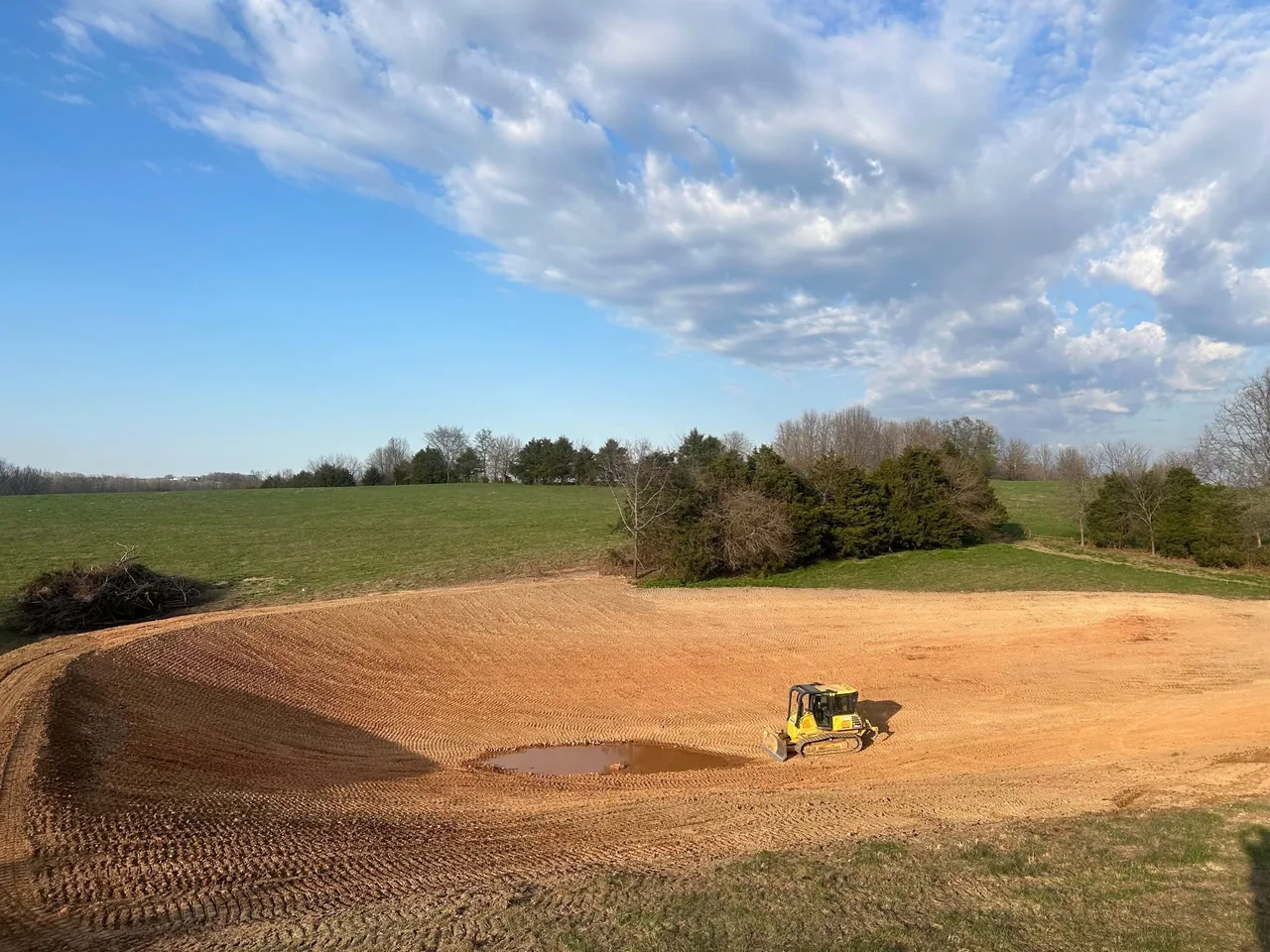
We build stock tanks and big ponds on rural land around Waxahachie. Each one starts with the clay under the spot and the land that drains to it.
Learn More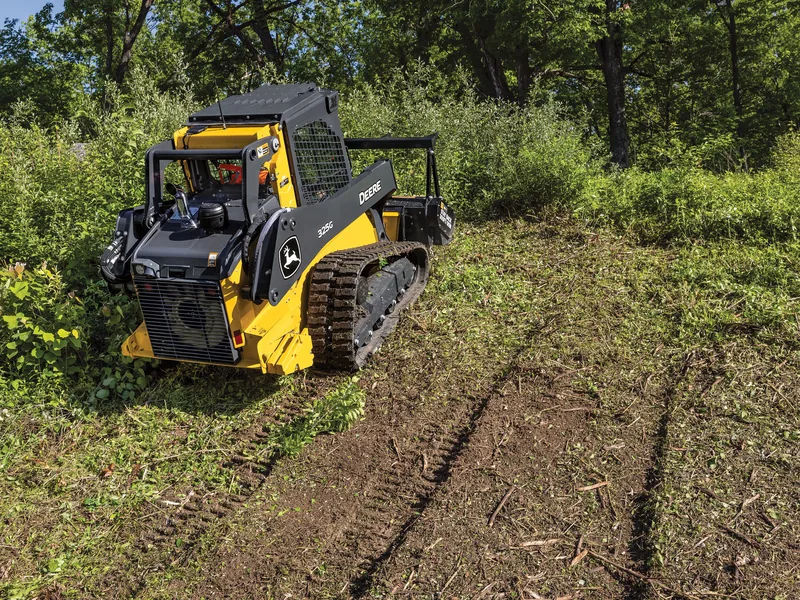
We cut UTV trails and hunting trails through brush and woods with a forestry mulching head. The mulch stays on the trail, and the trail bends around the trees you keep.
Learn More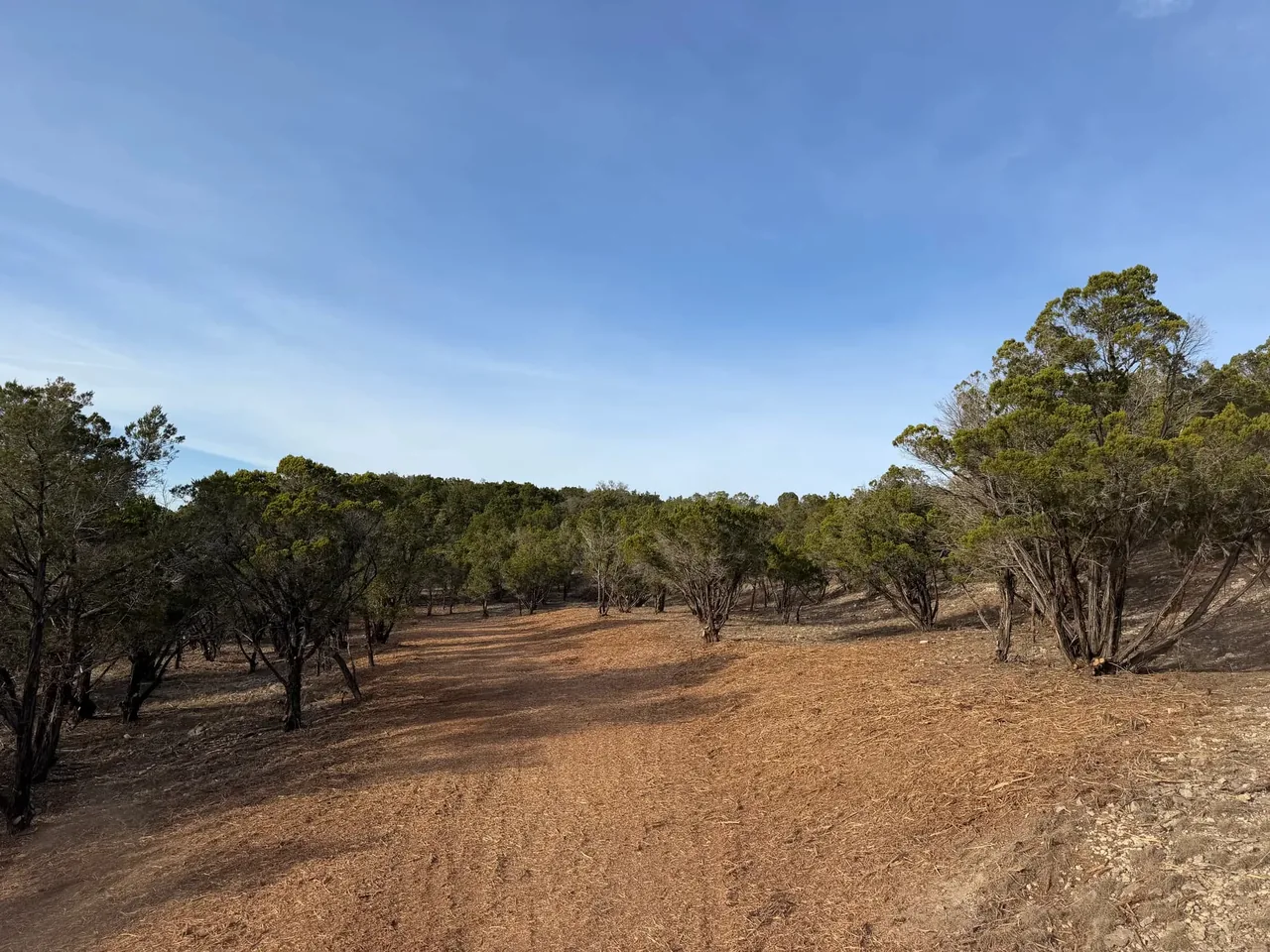
We cut and mulch fire breaks along fence lines and around homes and barns. Widths follow guidance from the state forest service and the AgriLife Extension Service.
Learn MoreA few of the questions we hear most around Forney. If yours is not here, call or text and ask.
Tell us about the land, such as how thick the brush is and how hilly the ground gets. You can also call or text (469) 309-7002, and we will set a time to look at it.
Tell us about the land, what you want done and where it is. We look at the land and put the quote in writing.