Ponds and Stock Tanks
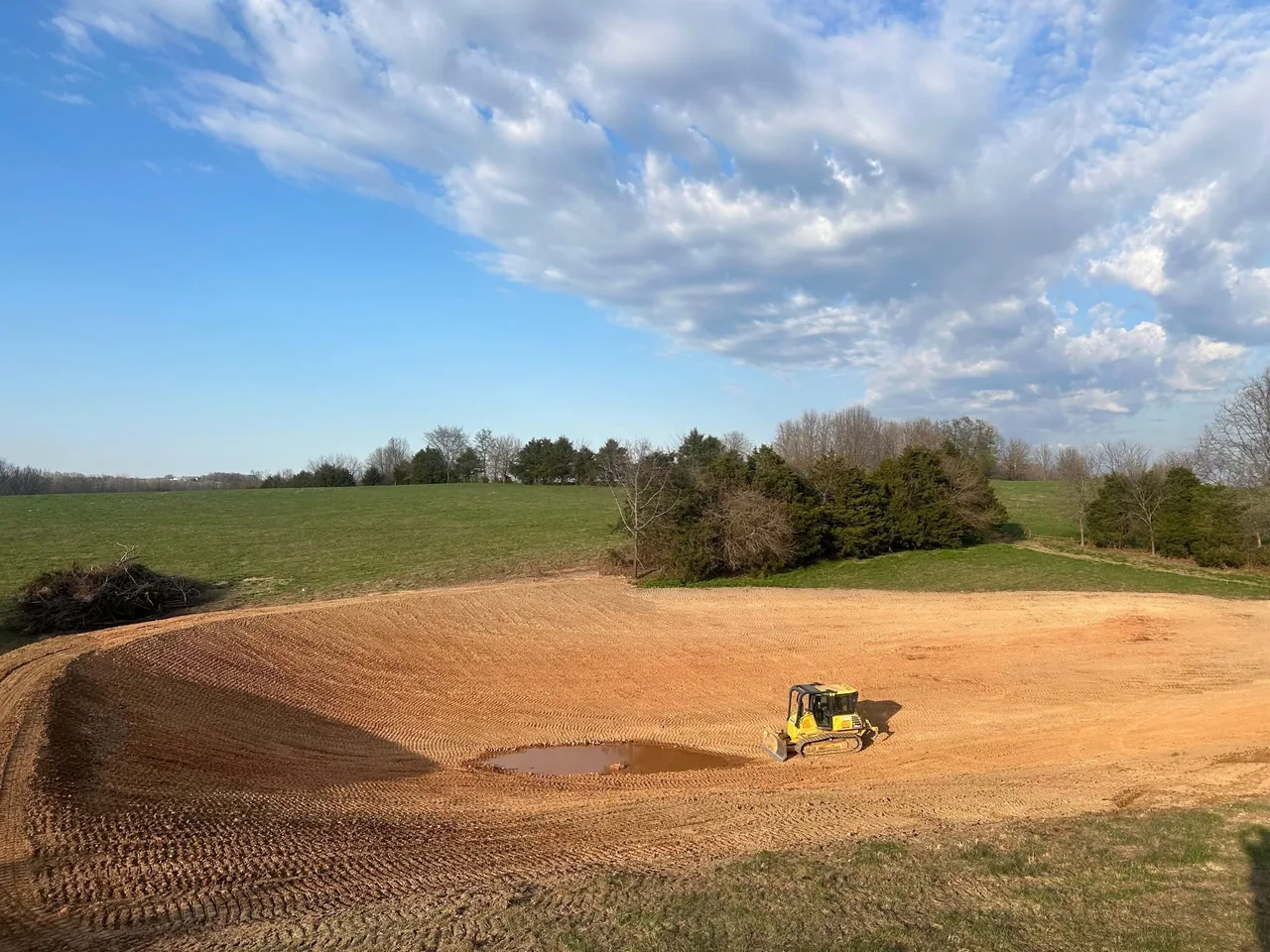
We build stock tanks and big ponds on rural land around Waxahachie. Each one starts with the clay under the spot and the land that drains to it.
Learn More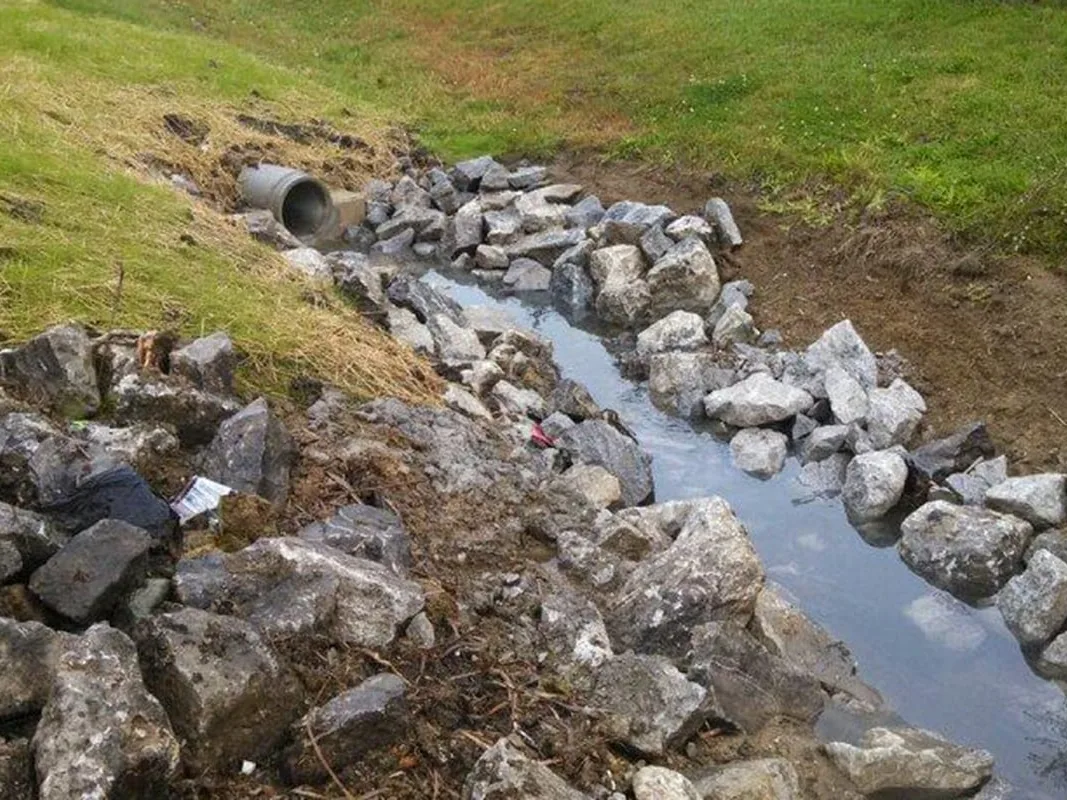
Erosion control is the work of stopping water from cutting away your ground. A bank caves in a little more after every storm, or a ditch keeps cutting deeper. Kingdom Earthworks sets rock rip rap and reshapes the ground so the water slows down and the soil stays put.
We serve Waxahachie, Ellis County and the counties around Dallas and Fort Worth. A new driveway culvert often needs rock where the water leaves the pipe. A new pond or stock tank may need rock on the dam or in the spillway. Call or text (469) 309-7002 and tell us where the water runs.
Tell us about the land, what you want done and where it is. We look at the land and put the quote in writing.
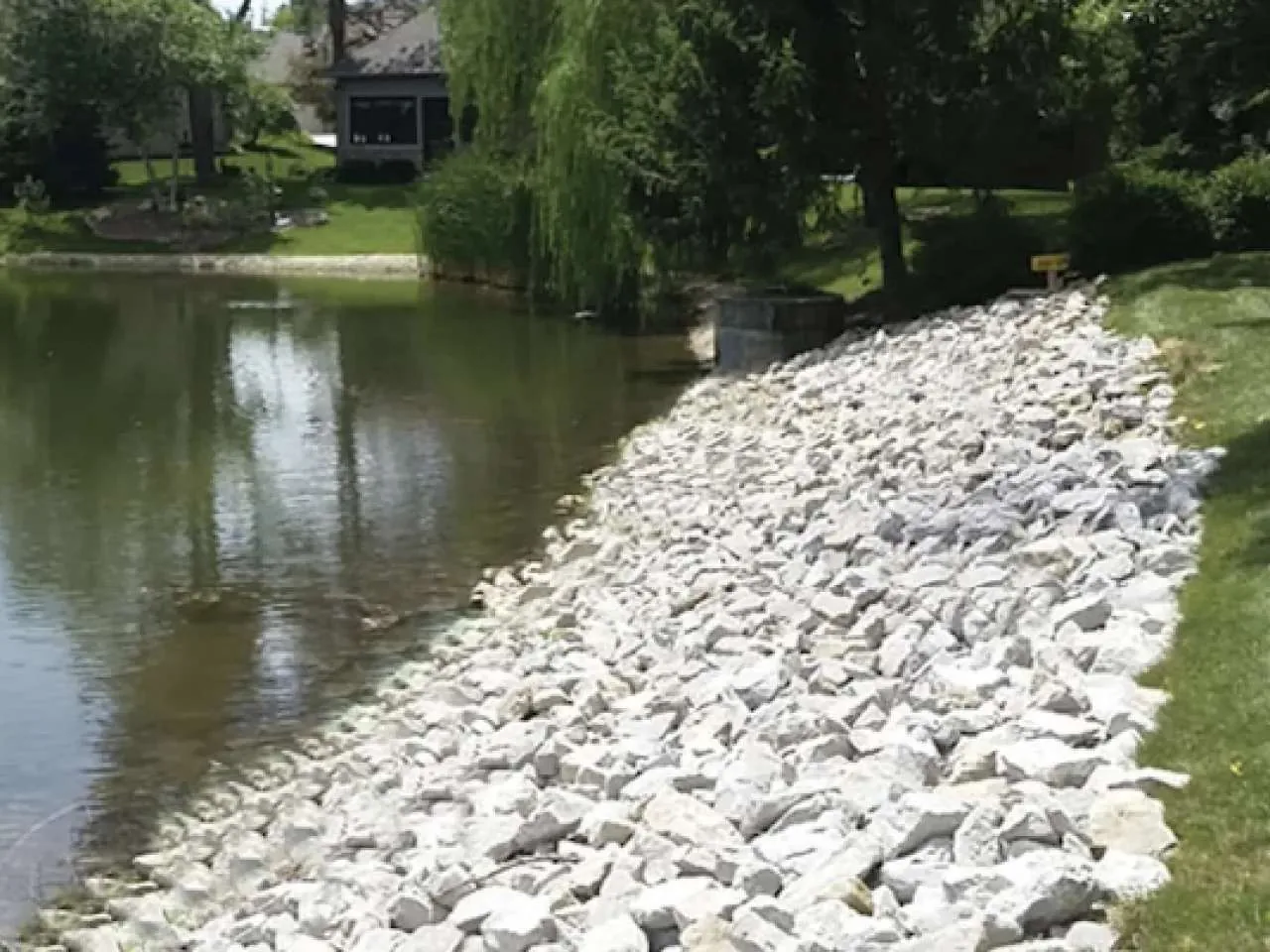
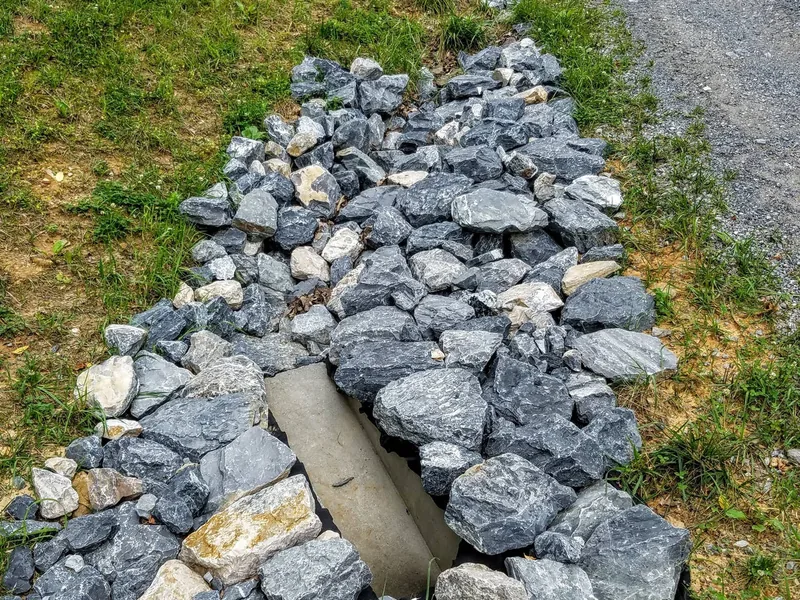
Rip rap is a layer of large, rough rock laid where water runs hard against dirt. The rock takes the force of the water, so the soil under it stays put. It goes on banks, in ditches, at culvert outlets and on pond dams.
The job starts with the shape of the bank. A steep bank gets cut back first, because rock slides off a slope that is too steep. Then filter fabric or a layer of gravel goes down. It keeps the soil from washing out through the gaps in the rock.
The rock is angular and mixed in size, so the pieces lock together. Rounded rock tends to roll and slide on a steep slope. Bigger rock goes where the water hits hardest. The rock runs up the bank as high as storm water reaches.
Ellis County sits on the Blackland Prairie, where the black clay locals call gumbo behaves two ways. Dry clay cracks open and soaks up the first rain fast. Once it is wet, the clay swells shut and water barely soaks in. The rest of the storm runs off the top.
NOAA's 1991 to 2020 normals put Waxahachie at about 41 inches of rain a year. Spring is the wettest season, with fall close behind. Runoff from a hard storm collects into one path and speeds up as it runs downhill. Fast water cuts, and a tire rut can grow into a gully.
Bare ground washes first. Grass or a mulch layer slows the rain before it reaches the dirt. Land cleared by forestry mulching keeps its mulch layer, and the roots stay in the soil. Ground stripped bare for a build needs cover soon, and hydroseeding and sod come from another trade.
Rock is only part of erosion control. Often the fix is to change where the water goes. A gully gets filled with packed dirt and shaped into a wide, shallow swale. Water spreads out there and slows down, so it cuts less.
A low berm across a slope can turn runoff away from a washing spot. It sends the water somewhere safer, such as a rocked ditch or a pond. Gravel drives wash when water runs down them instead of off them. There the fix is the crown and the side ditches that come with our gravel driveway work.
Water that pools against a house or a barn calls for land grading instead. We start every erosion job by finding where the water comes from. A cut bank at the foot of a long slope may need shaping above and rock below. Then we put the quote in writing.
Call or text for a written quote. We work about 200 miles around Waxahachie across Ellis County and the counties around Dallas and Fort Worth.
(469) 309-7002From the first call or text to the finished work, here is how it goes.
Call or text (469) 309-7002, or send the form. Tell us where the land is and how thick the brush has grown.
We come out to see the brush and the way in for the machine. You tell us what the land is for, and we plan the work around it.
The quote lists the work and the price in writing. Work starts once you approve it.
We set a start date with you and bring in the mulcher. Brush and small trees turn to mulch where they stand.
When the plan calls for dirt work, the pad and the drive go in next. The job ends with open ground ready to use.
Common questions about erosion control around Waxahachie and the counties south of Dallas and Fort Worth. If yours is not here, call or text and ask.
We build stock tanks and big ponds on rural land around Waxahachie. Each one starts with the clay under the spot and the land that drains to it.
Learn More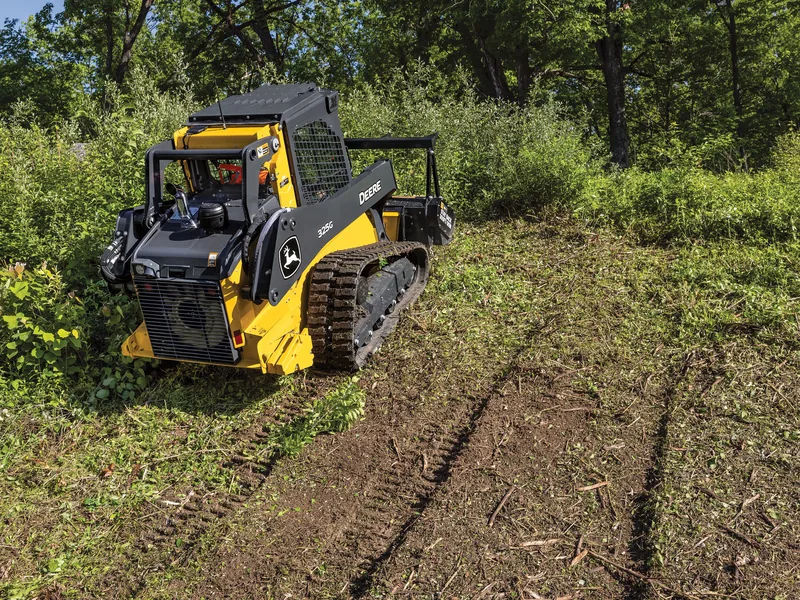
We cut UTV trails and hunting trails through brush and woods with a forestry mulching head. The mulch stays on the trail, and the trail bends around the trees you keep.
Learn More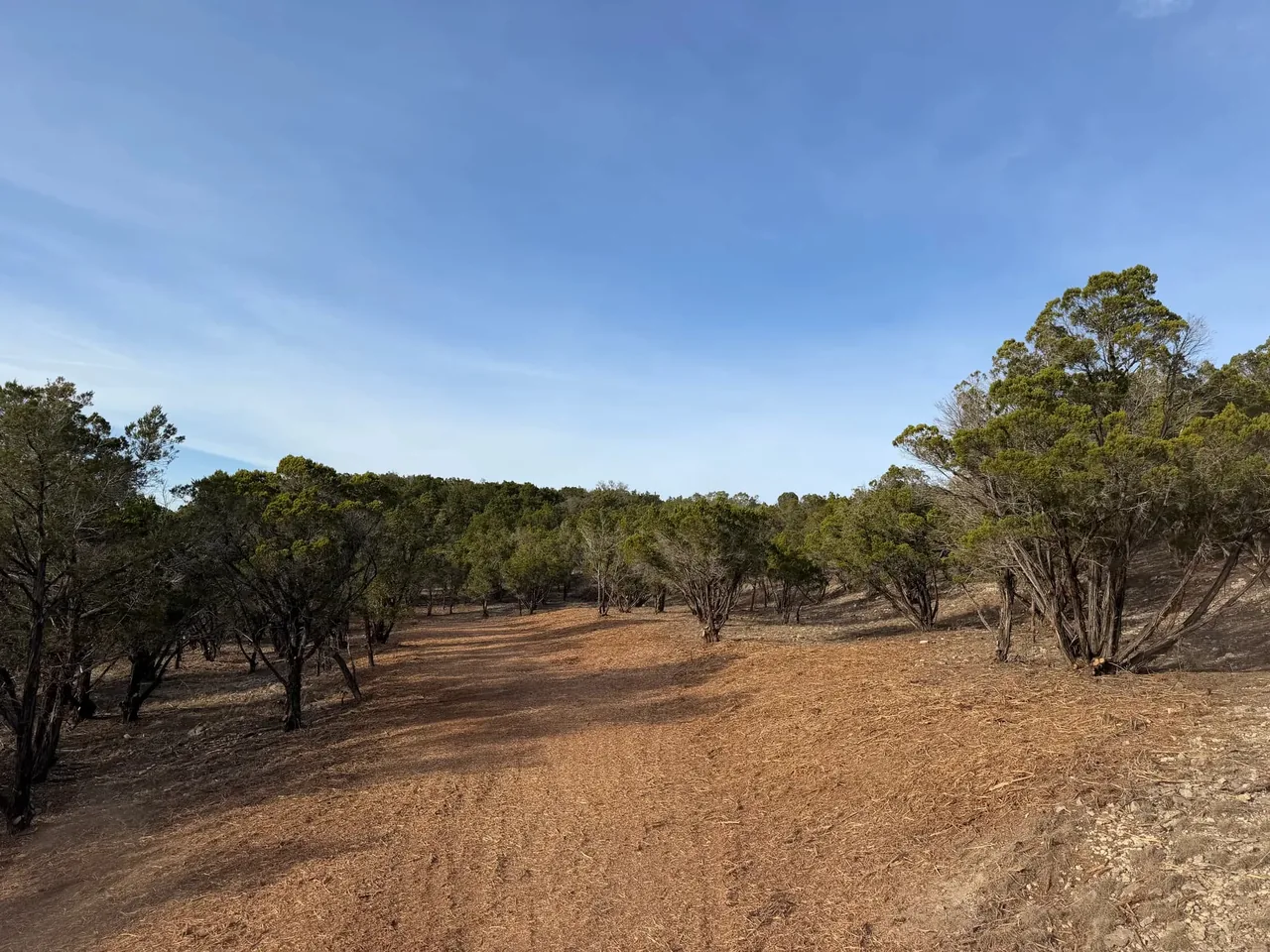
We cut and mulch fire breaks along fence lines and around homes and barns. Widths follow guidance from the state forest service and the AgriLife Extension Service.
Learn MoreWe clear the land, then build the pad and the gravel drive that come after it. One company carries the job to finished ground.
You pick the trees that stay, and the mulcher clears the brush and saplings around them. Shade trees stay up while the thicket under them goes.
On the Blackland Prairie, black clay takes in rain slowly once it is wet. We shape pads and drives so the rain runs off them.
We come out and look at the land before we price anything. The written quote spells out the work, and you decide with it in hand.
Tell us about the land, such as how thick the brush is and how hilly the ground gets. You can also call or text (469) 309-7002, and we will set a time to look at it.
Tell us about the land, what you want done and where it is. We look at the land and put the quote in writing.