Land Clearing and Dirt Work Services Around Waxahachie, TX
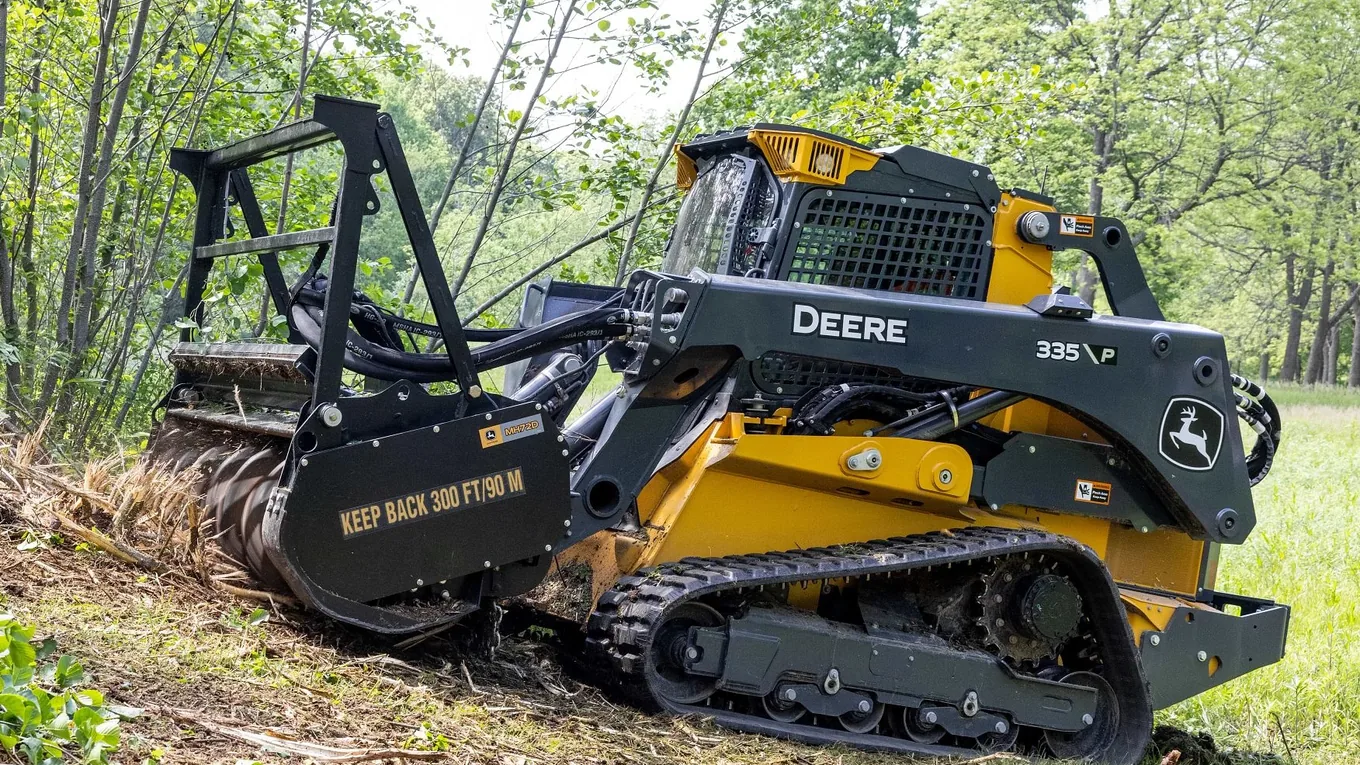
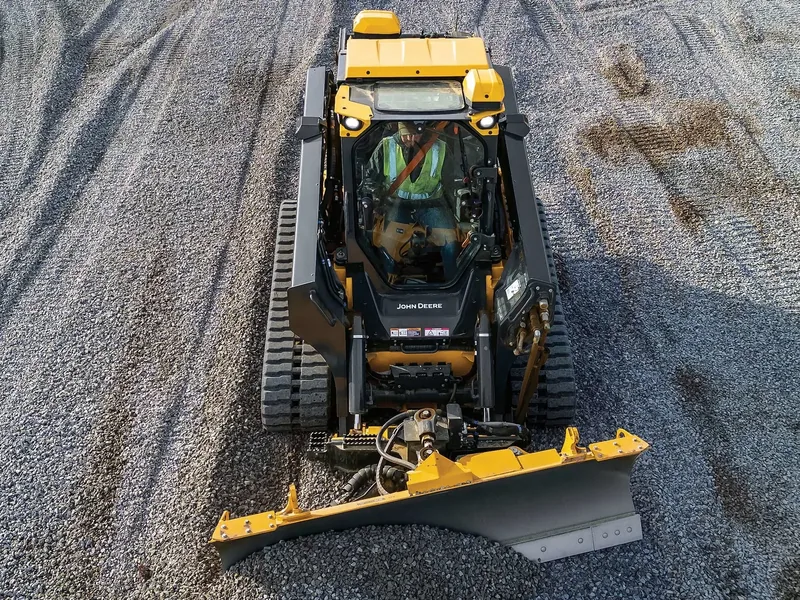
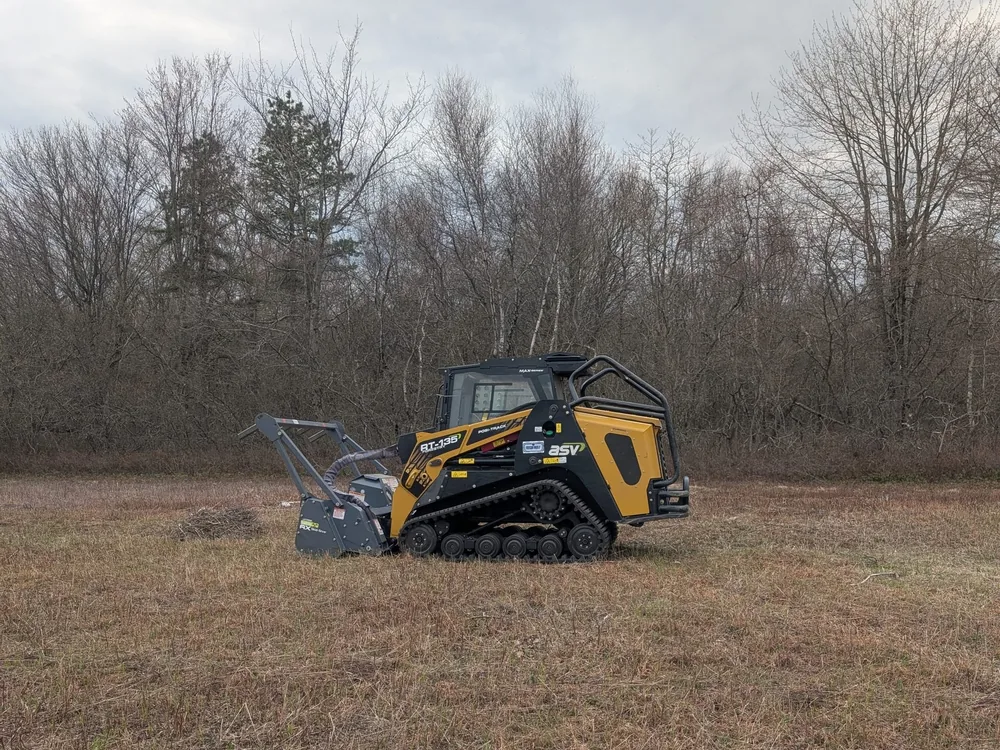
Land clearing, forestry mulching, dirt work, gravel driveways, ponds and stock tanks around Waxahachie, Texas. A compact track loader with a mulching head turns brush and small trees into mulch that stays on the ground.
A compact track loader with a mulching head shreds cedar and brush where they grow. The mulch stays on the ground, and the trees you flag stay standing.
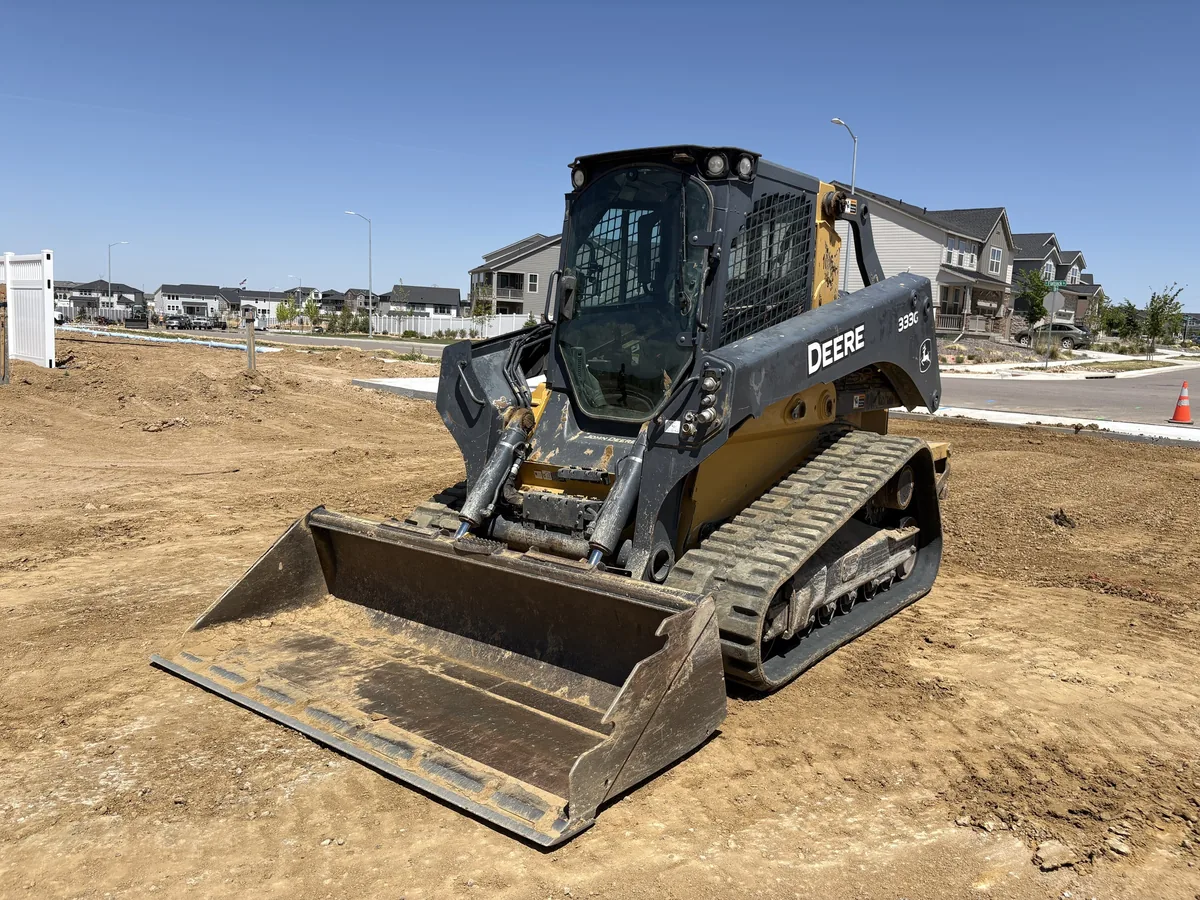
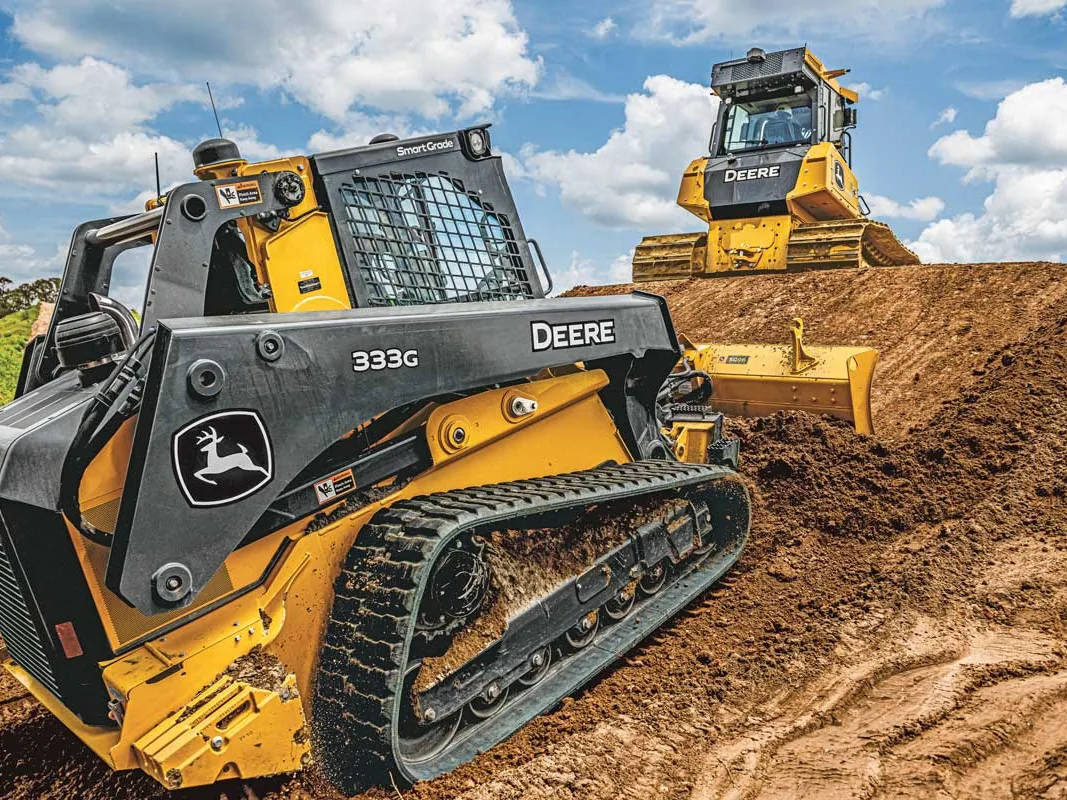
A compact track loader with a forestry mulching head
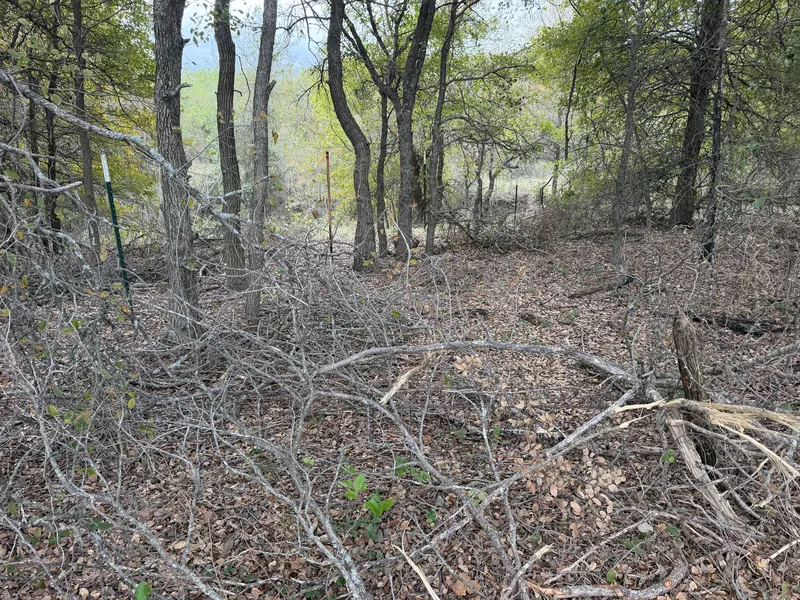
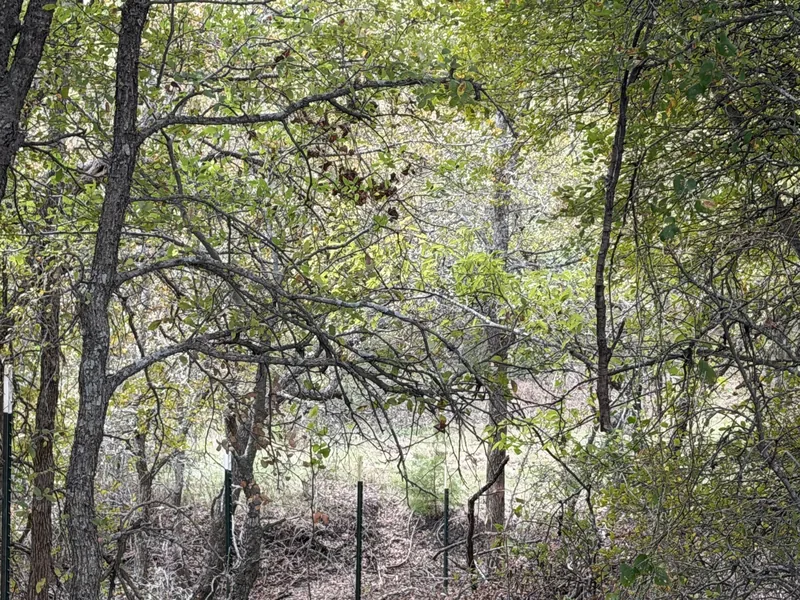
Cedar and mesquite thickets cut down and shredded in place
Hackberry and cedar elm saplings cleared out of idle pasture
Underbrush mulched beneath the trees you flag to keep
Wooded and overgrown acreage opened back up
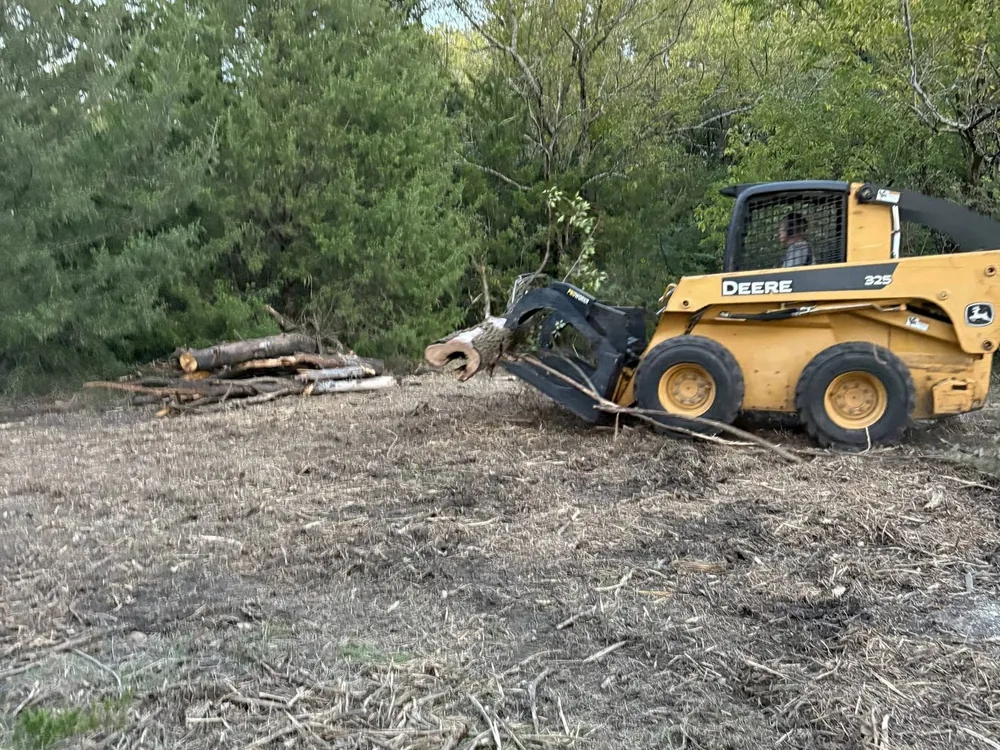
Shredded wood left on the ground to cover bare soil
Building lots and overgrown lots, cleared for what comes next
We clear building lots ahead of the builder and overgrown lots ahead of a sale. Brush and small trees are mulched in place, and the trees you want stay standing.
Residential lots cleared before a house or a shop goes up
Commercial lots cleared ahead of a new building
Overgrown lots and tracts cleaned up so they show and sell
In-town lots and lots on the edge of town
Brush and small trees mulched in place by a compact track loader with a forestry mulching head
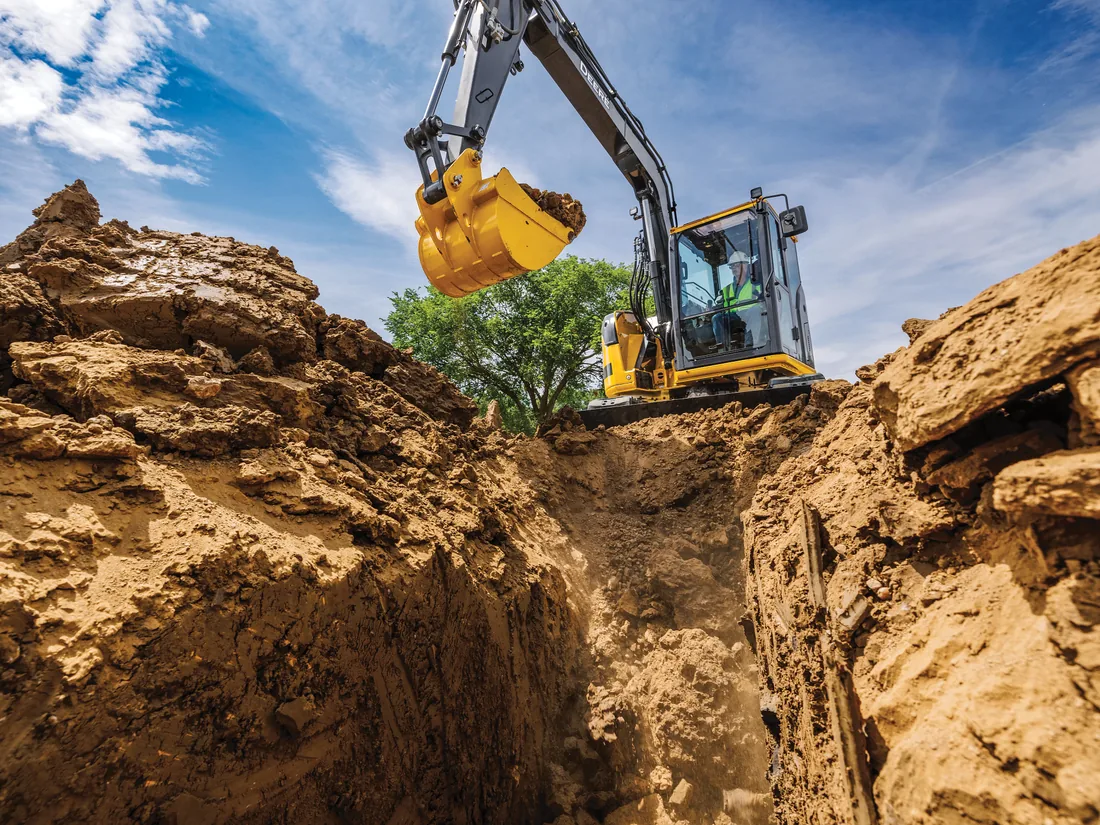
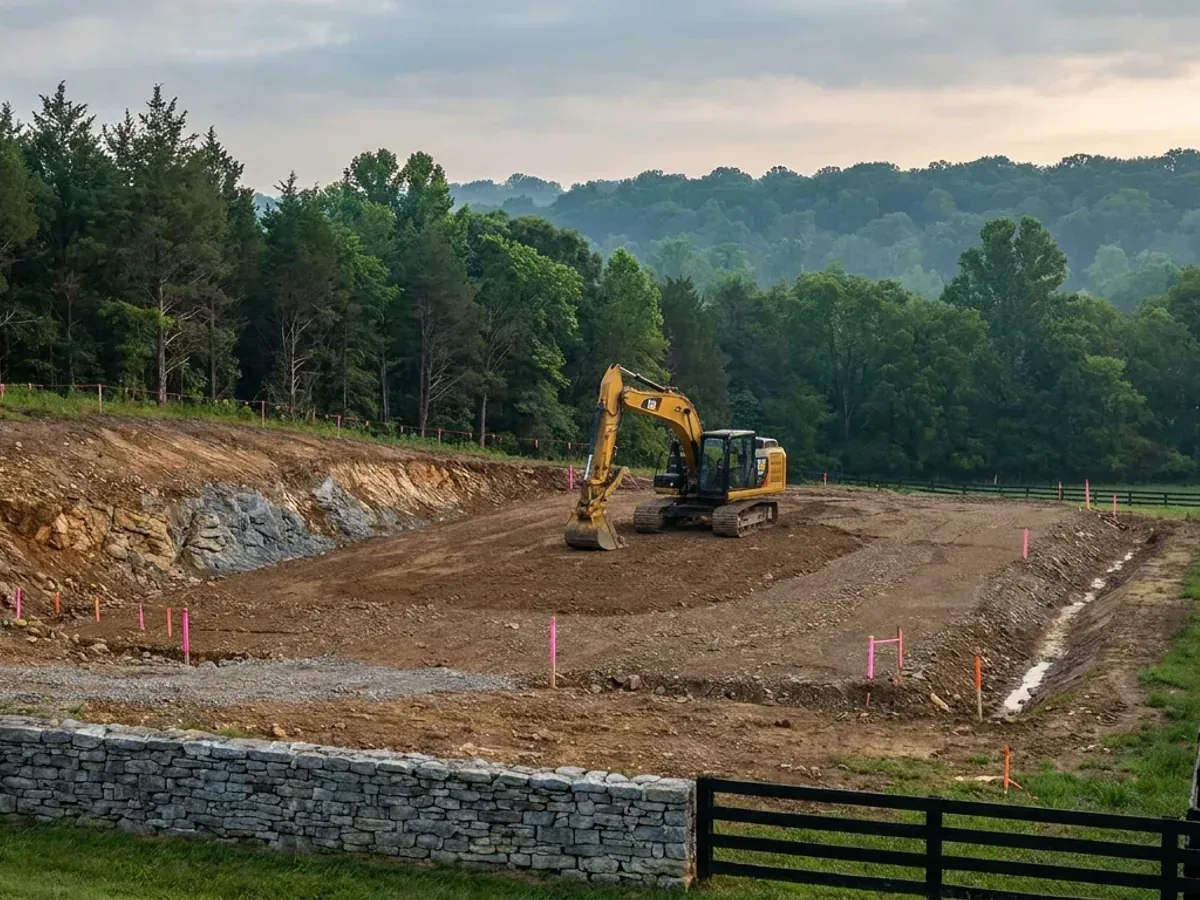
Footing and slab digs to the builder's plan, plus trenches and drainage ditches around Waxahachie and Ellis County. We look at the ground and put the quote in writing.
Footing and slab digs to the builder's or engineer's plan
Trenches dug along the route and to the depth the job calls for
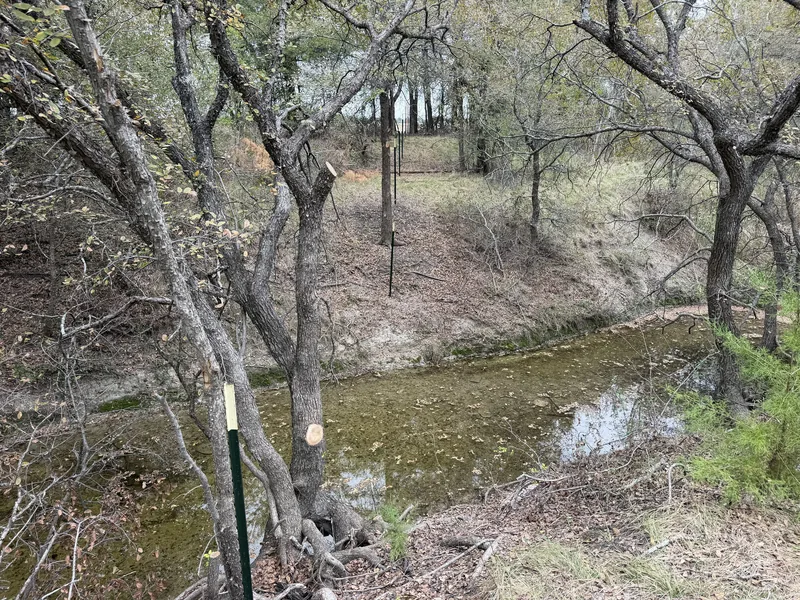
Drainage ditches that carry water off low ground
Wide, shallow swales that move runoff across a yard or a pasture
Soft or wet ground dug out to firm soil under a planned pad or drive
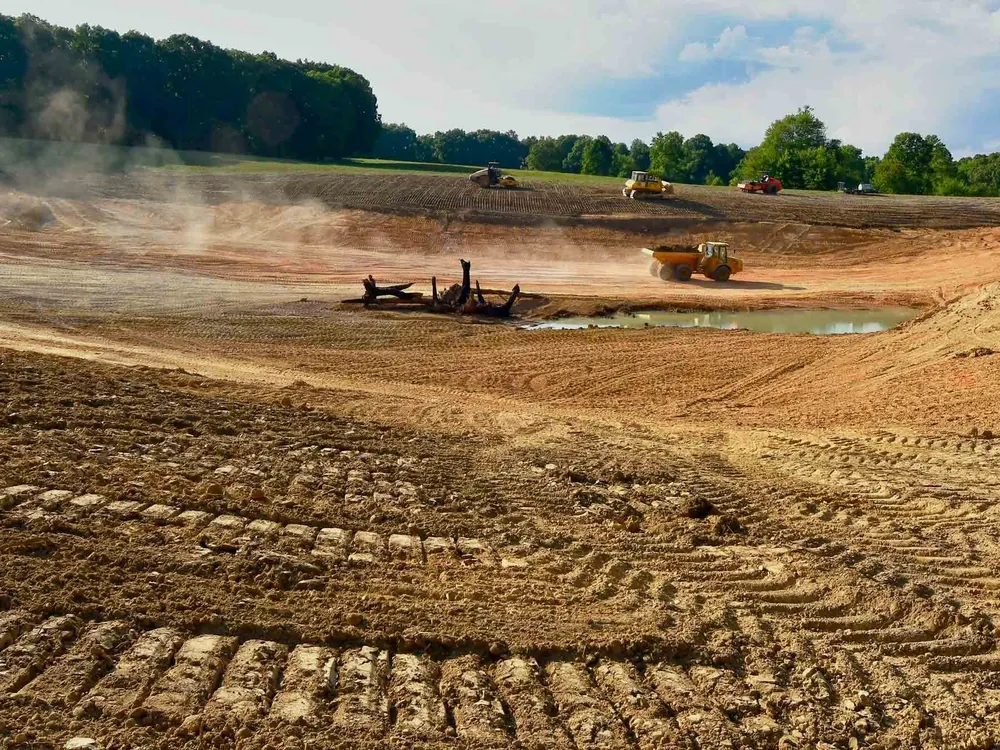
We cut the high spots and fill the low ones so rain runs away from your buildings. We grade yards at new homes and rough acreage in the Waxahachie area.
Cut and fill: high spots cut down, low spots filled
Yard grading that slopes the ground away from a new house
Grading around a shop or a barn so rain runs off
Rough, rutted ground and old pasture smoothed out
Humps and hollows in native clay ground evened out
Driveway culverts set at the flow line of the ditch
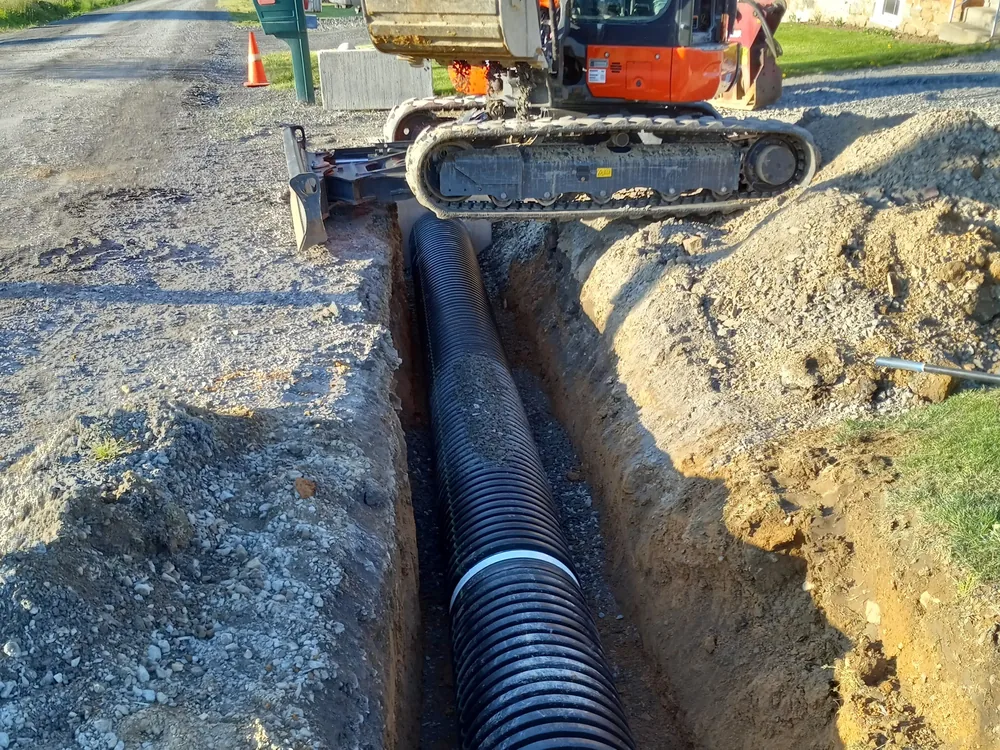
Driveway culverts at the road ditch and culvert crossings where a ranch road meets a draw. Each pipe goes in at the low line where water runs, on a firm, even bed.
Driveway culverts at the road ditch for new drives onto raw land
Culvert crossings where a drive or a ranch road meets a draw
Pipe set at the flow line on a firm, even bed
Fill packed in layers around the pipe and over the top
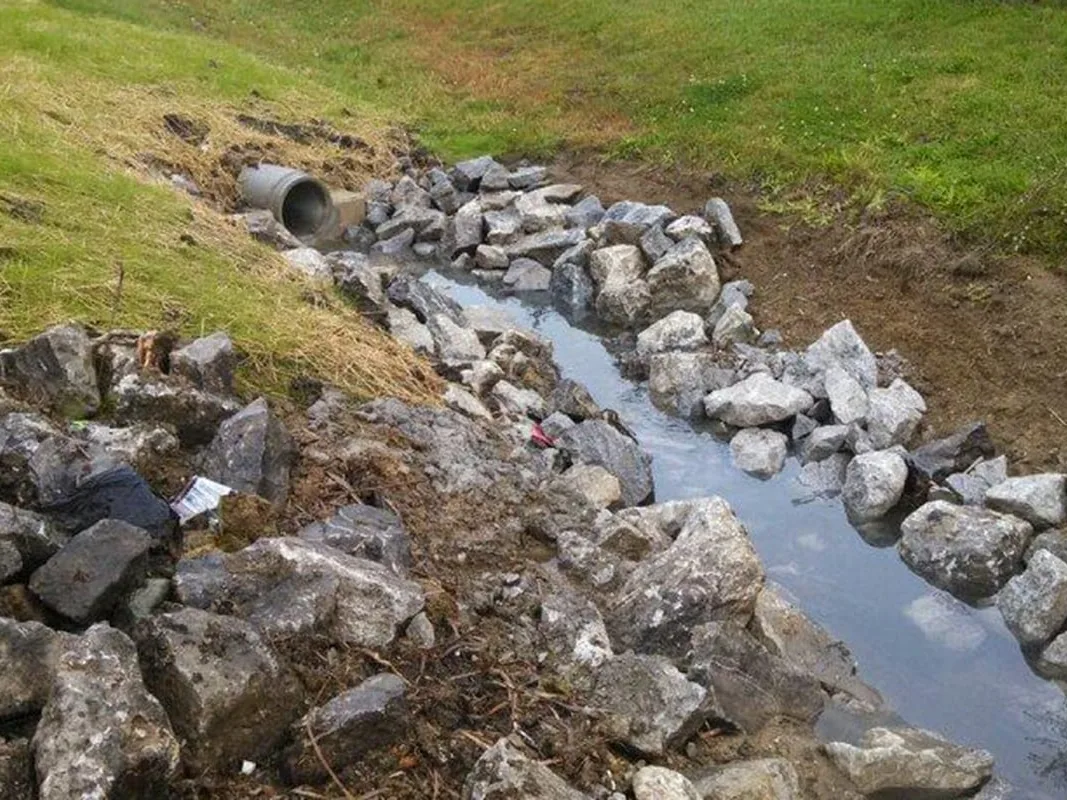
Rock rip rap at the outlet where water leaves the pipe
Crushed or rusted-out culverts dug out and replaced
We set rock rip rap on washing banks, in ditches, at culvert outlets and on pond dams. We also shape the ground so runoff slows down and stops cutting.
Rock rip rap on banks that cave in after hard rains
Rip rap lining for ditches that keep cutting deeper
Rip rap at culvert outlets where pipe water hits bare dirt
Rock on pond dams and in spillways, where water wears at the dirt
Filter fabric or a gravel layer laid under the rock first
Steep, caving banks cut back to a slope the rock can hold
We cut UTV trails and hunting trails through brush and woods with a forestry mulching head. The mulch stays on the trail, and the trail bends around the trees you keep.
UTV and ATV trails cut to fit the widest machine you run
Hunting trails to a stand or a blind at the back of a tract
Trails for getting around a tract on foot or by machine
Brush and saplings mulched in place, with the mulch left on the trail
Trails that bend around the trees you want to keep
Bladed trails shaped so water runs off to the side
We cut and mulch fire breaks along fence lines and around homes and barns. Widths follow guidance from the state forest service and the AgriLife Extension Service.
Fire breaks cut along fence lines and property lines
Cleared rings around a house or a barn
Cedar and mesquite mulched where they stand
Underbrush and saplings cleared from under the trees that stay
Lines scraped to bare soil with a blade where the plan calls for it
Widths set from state forest service and AgriLife Extension guidance
Tell us about the land, such as how thick the brush is and how hilly the ground gets. You can also call or text (469) 309-7002, and we will set a time to look at it.