Trail Building
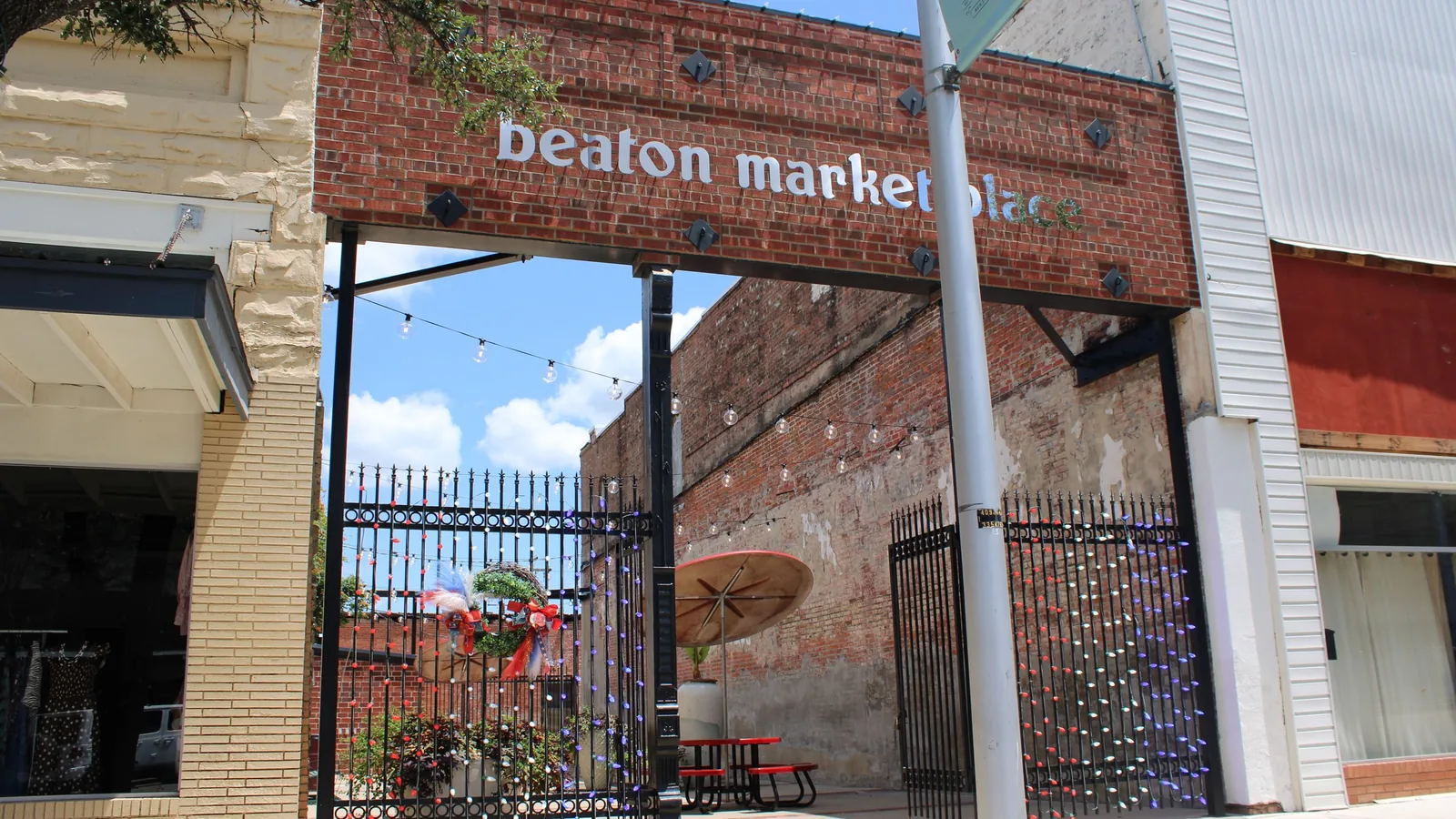
We cut UTV trails and hunting trails through brush and woods with a forestry mulching head. The mulch stays on the trail, and the trail bends around the trees you keep.
Learn More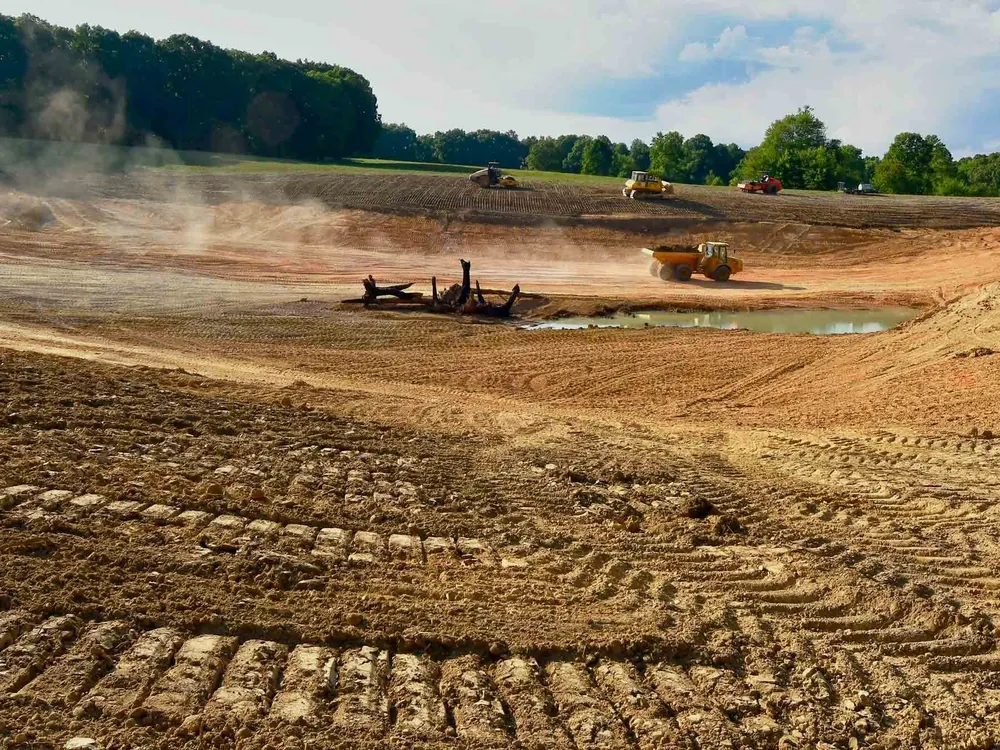
Pond construction around Waxahachie starts with the ground, and here that often means black clay. Clay is the soil that holds pond water best. A state extension soils paper rates more than 90 percent of Blackland Prairie soils as fit for a pond. Kingdom Earthworks builds stock tanks and big ponds across Ellis County and the counties around it.
A stock tank is the Texas word for a pond built to water livestock. Either way, the job is the spot, the dam, the core and the spillway, with rock where water runs. On brushy land, pond work follows land clearing around Waxahachie, so the ground shows before the digging starts.
Tell us about the land, what you want done and where it is. We look at the land and put the quote in writing.
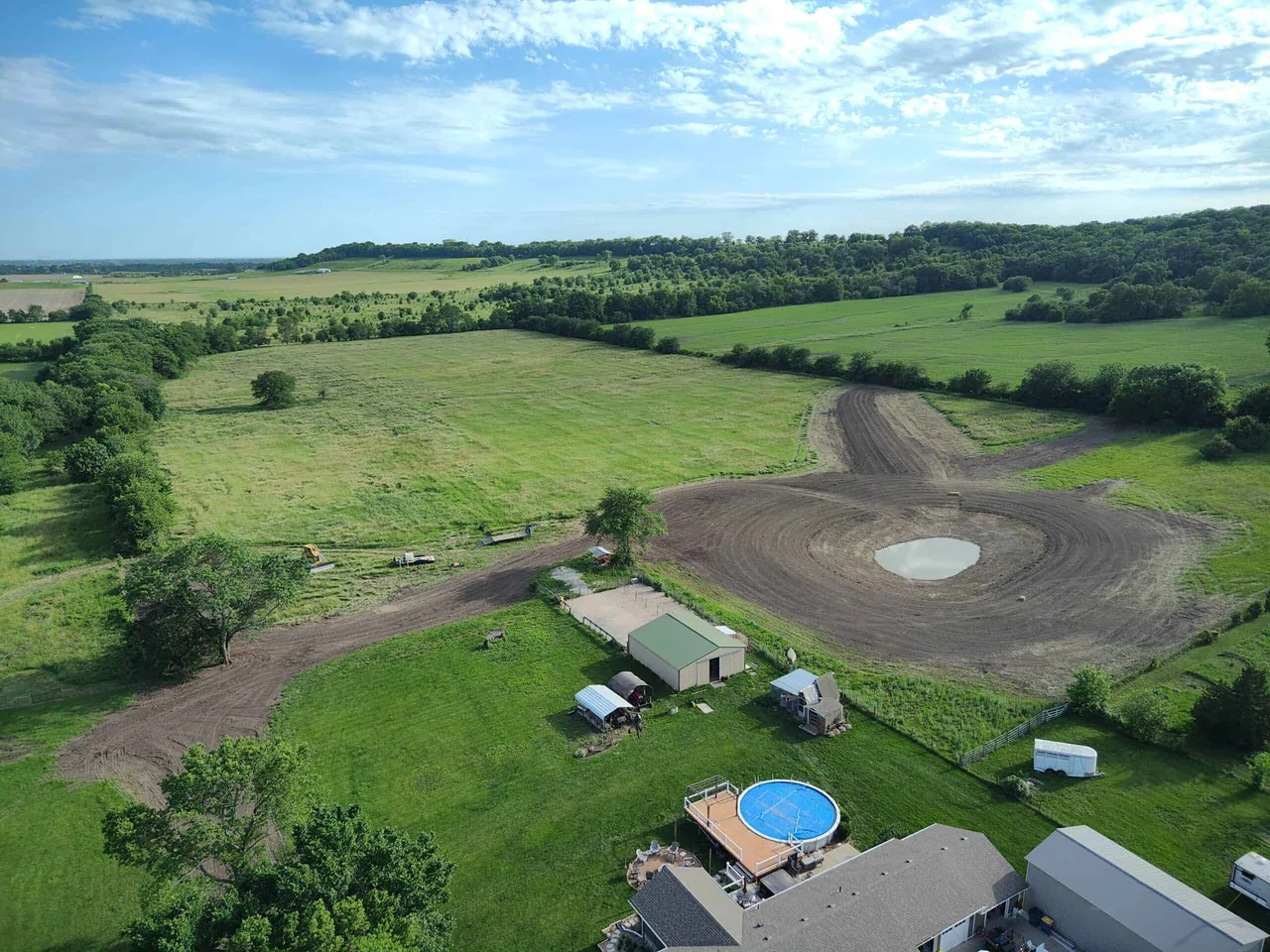
A pond on sloping ground holds water behind an earthen dam built across a draw. On flat ground, the pond is dug out instead. Some ponds use both, with a dug basin and a dam at the low end.
The dam starts below ground, in a core trench cut down its center line. We strip the topsoil first, then fill the trench with clean clay in thin layers, each one packed. The dam rises the same way, and clay packs best when it is neither too wet nor too dry.
Every dam needs a spillway, a path that carries flood water around it. The NRCS pond handbook warns a dam with too small a spillway will probably fail in the first big storm. Where water runs hard, rock rip rap guards the spillway and the dam face that takes waves.
A stock tank fills from the land that drains to it. The NRCS pond handbook says that drainage area must be big enough to keep water in the pond through droughts. If it is too big, storm water calls for a bigger spillway. Land in grass or trees makes the best drainage area because it sends less silt.
We dig test holes at the dam and the basin to check that clay runs below the pond's depth. A thin seam of sand or gravel can leak badly, and cracked rock is very hard to seal. The Austin Chalk runs under the west side of Ellis County. There, a test hole shows how deep the rock sits.
Before pond digging starts, Texas law requires a call to 811 at least two business days ahead. Locators flag utility lines, but a water line you ran across your own land is yours to point out. If brush hides the spot, brush clearing opens it up first.
Texas Water Code Section 11.142 lets you build a dam or reservoir on your own property without a permit. That water right exemption covers normal storage up to 200 acre-feet, for domestic and livestock purposes. It does not apply to a commercial operation. An acre-foot is an acre of water one foot deep, so 200 acre-feet could cover 20 acres 10 feet deep.
Dam safety falls under Texas Water Code Section 12.052, which exempts some dams on private property from safety requirements. The dam must hold less than 500 acre-feet at maximum capacity and sit outside city limits. The county must have fewer than 350,000 people. Its hazard rating, set by what a failure would put at risk downstream, must be low or significant.
The Texas Commission on Environmental Quality (TCEQ) runs the state's Dam Safety Program. Its county map puts Dallas County and Tarrant County over the population line, as well as Denton County. Ellis County sits under it. Owners of exempt dams still follow the state's operation and maintenance rules.
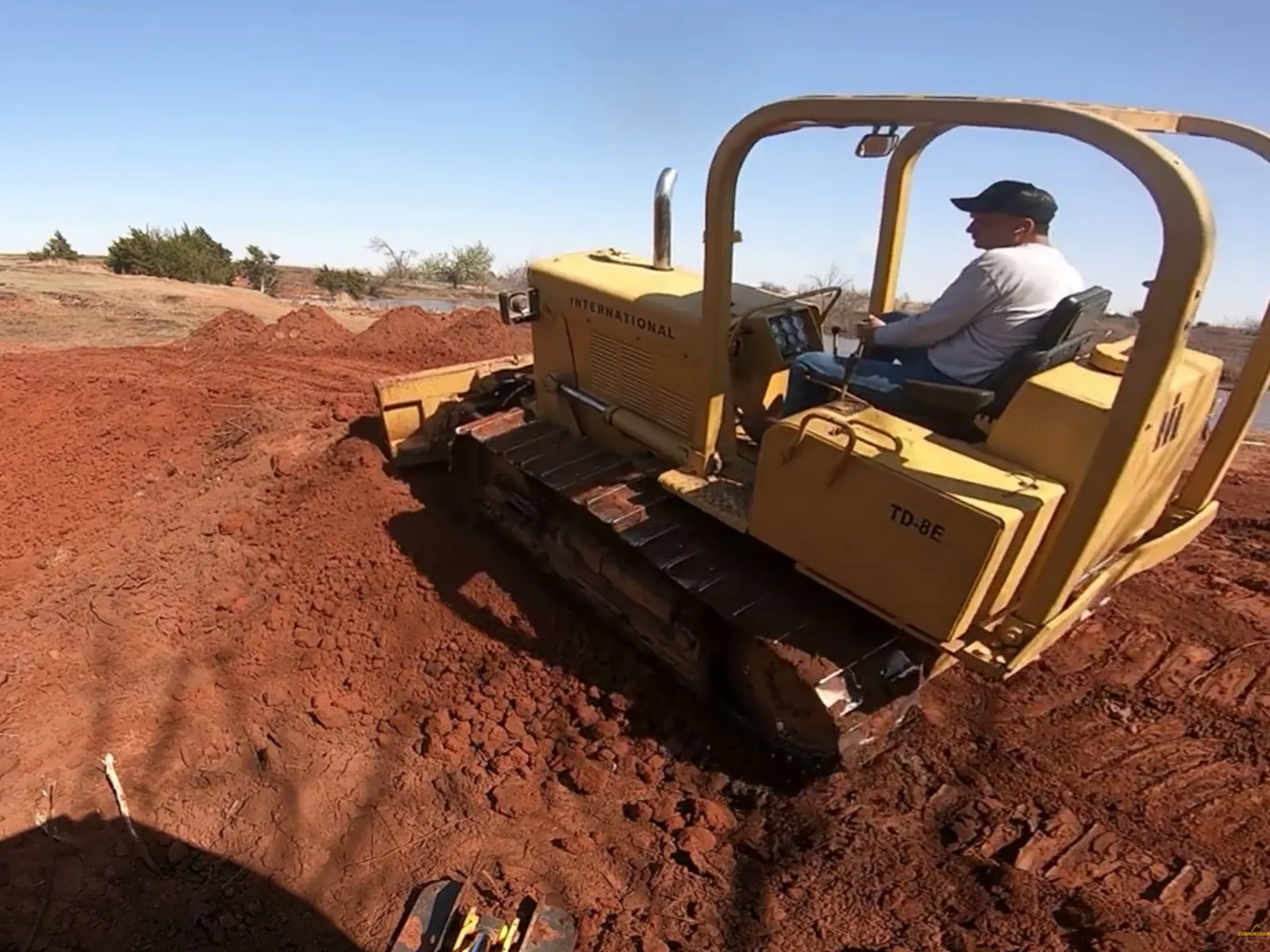
Call or text for a written quote. We work about 200 miles around Waxahachie across Ellis County and the counties around Dallas and Fort Worth.
(469) 309-7002From the first call or text to the finished work, here is how it goes.
Call or text (469) 309-7002, or send the form. Tell us where the land is and how thick the brush has grown.
We come out to see the brush and the way in for the machine. You tell us what the land is for, and we plan the work around it.
The quote lists the work and the price in writing. Work starts once you approve it.
We set a start date with you and bring in the mulcher. Brush and small trees turn to mulch where they stand.
When the plan calls for dirt work, the pad and the drive go in next. The job ends with open ground ready to use.
Common questions about ponds and stock tanks around Waxahachie and the counties south of Dallas and Fort Worth. If yours is not here, call or text and ask.
We cut UTV trails and hunting trails through brush and woods with a forestry mulching head. The mulch stays on the trail, and the trail bends around the trees you keep.
Learn More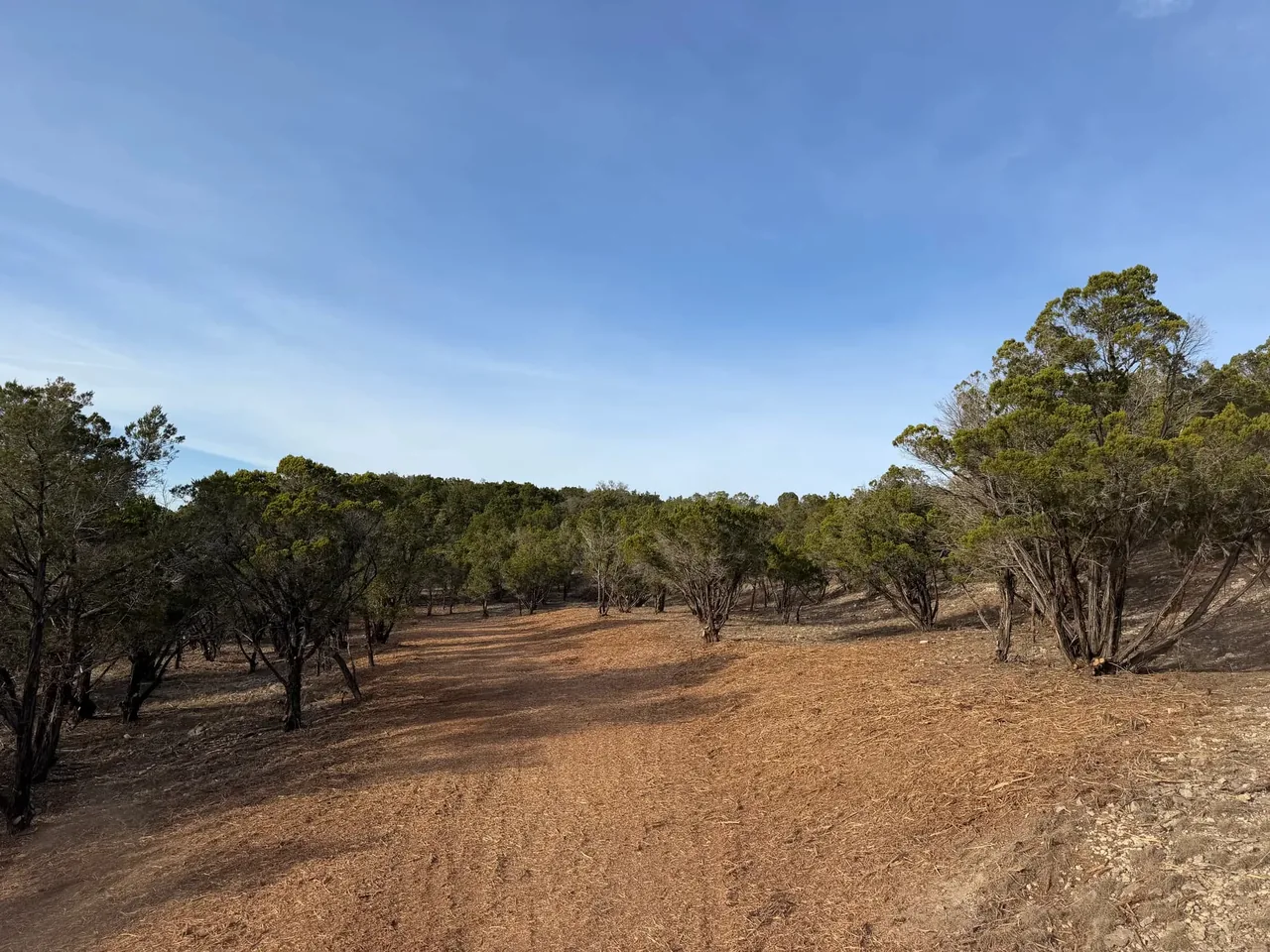
We cut and mulch fire breaks along fence lines and around homes and barns. Widths follow guidance from the state forest service and the AgriLife Extension Service.
Learn More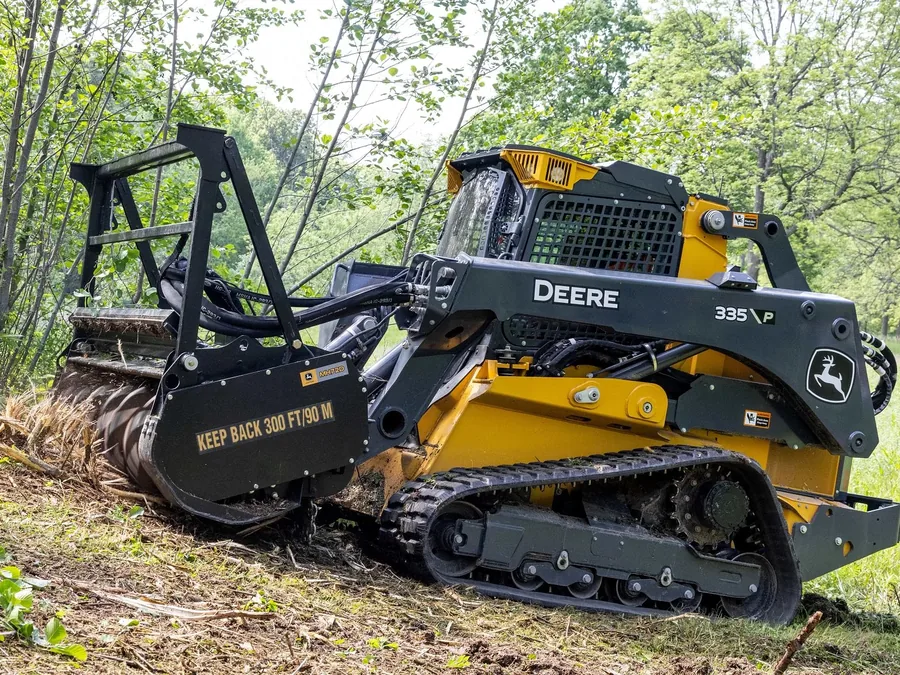
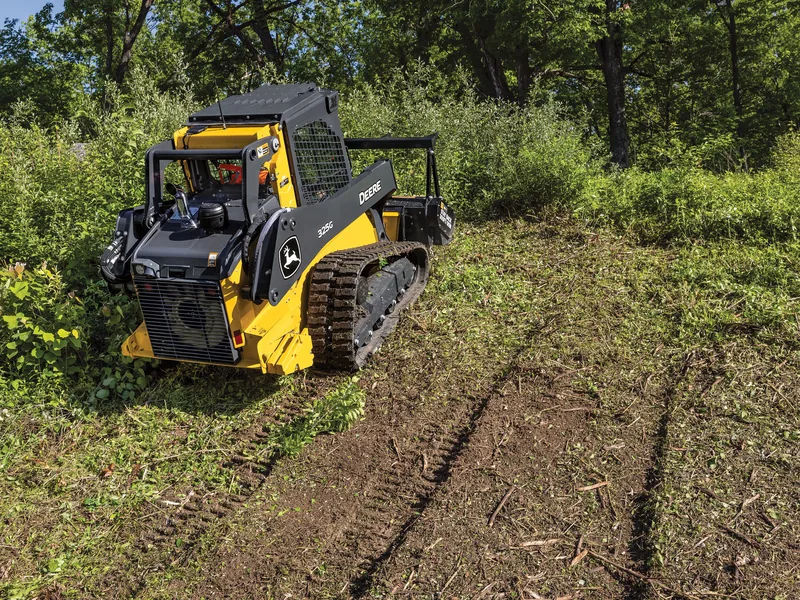
A compact track loader with a mulching head shreds cedar and brush where they grow. The mulch stays on the ground, and the trees you flag stay standing.
Learn MoreWe clear the land, then build the pad and the gravel drive that come after it. One company carries the job to finished ground.
You pick the trees that stay, and the mulcher clears the brush and saplings around them. Shade trees stay up while the thicket under them goes.
On the Blackland Prairie, black clay takes in rain slowly once it is wet. We shape pads and drives so the rain runs off them.
We come out and look at the land before we price anything. The written quote spells out the work, and you decide with it in hand.
Tell us about the land, such as how thick the brush is and how hilly the ground gets. You can also call or text (469) 309-7002, and we will set a time to look at it.
Tell us about the land, what you want done and where it is. We look at the land and put the quote in writing.