
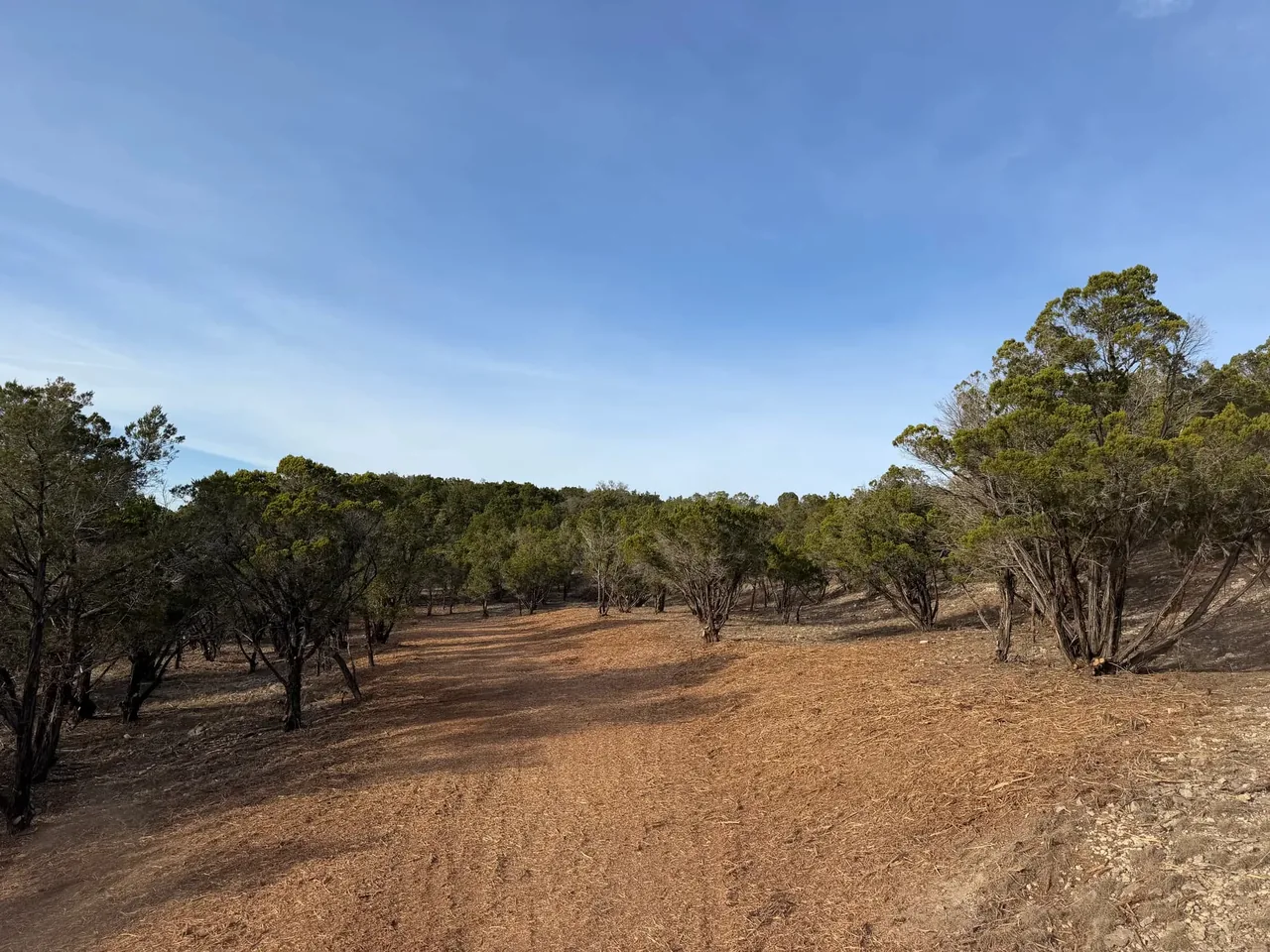
Fire Breaks
We cut and mulch fire breaks along fence lines and around homes and barns. Widths follow guidance from the state forest service and the AgriLife Extension Service.
Learn More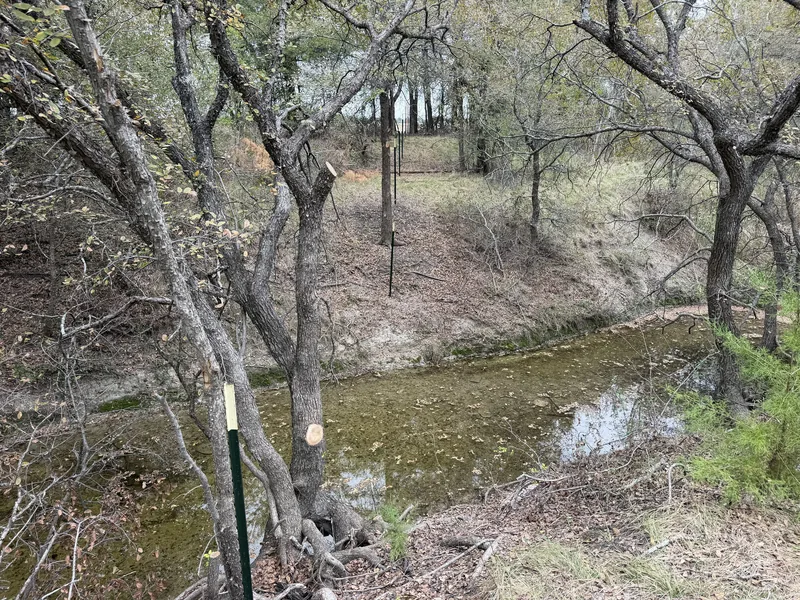
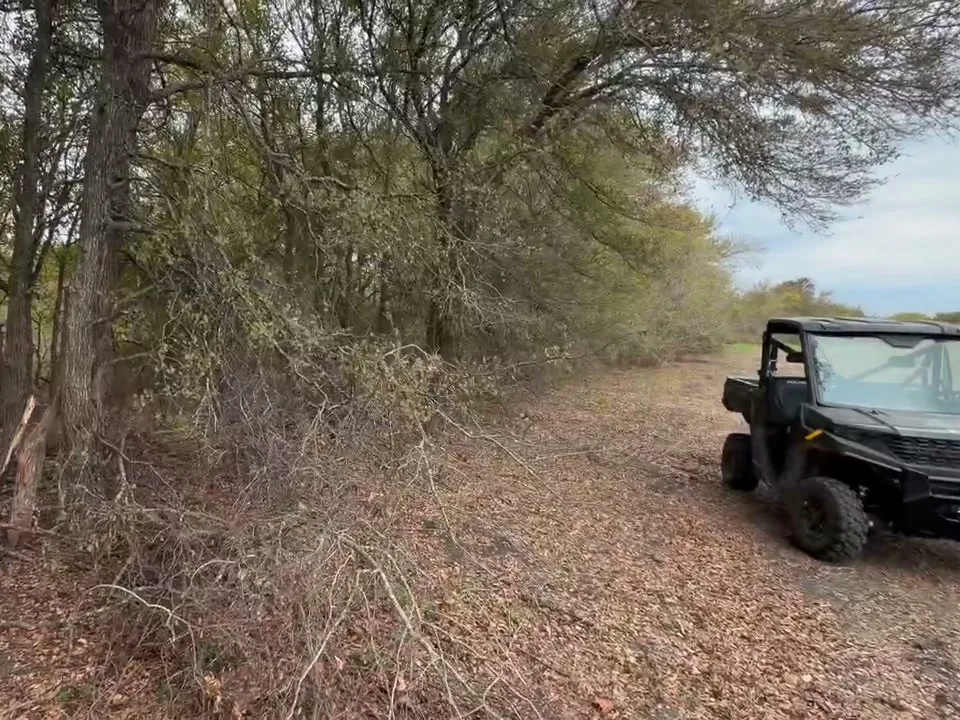
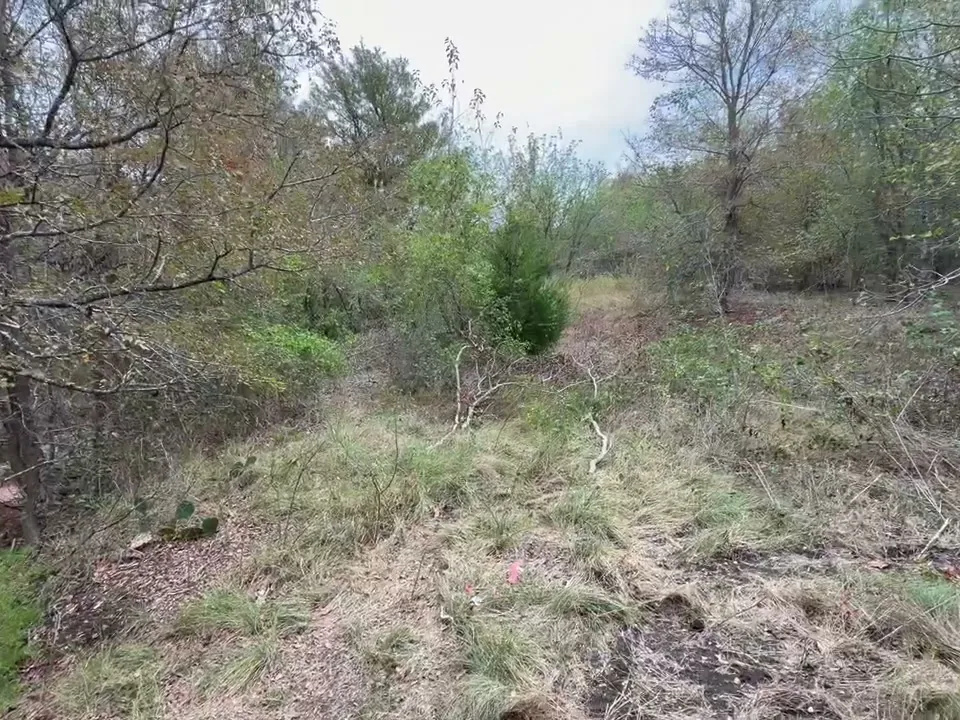
Thick brush can lock you out of the back of your own land. Trail building opens UTV trails and hunting trails through cedar and mesquite thickets. The work runs on a compact track loader with a forestry mulching head. The mulcher grinds brush and saplings where they stand.
Kingdom Earthworks serves Ellis County and the counties around it, with Waxahachie at the center. Trail building is one part of our land clearing in Waxahachie. It runs on the same machine as our forestry mulching. Call or text (469) 309-7002 and tell us about the land.
Tell us about the land, what you want done and where it is. We look at the land and put the quote in writing.
A hunting trail gives you a clear path to a stand or a blind at the back of a tract. Other trails let you get around a property on foot or by machine. A trail to a back fence or a stock tank turns a long walk through brush into a short ride.
On a mulched trail, the cut brush stays on the trail as a layer of mulch. Mulching cuts brush and small trees off at the ground and leaves the roots in the soil. Show us the trees you want to keep, and the trail bends around them.
Ellis County sits on the Blackland Prairie, home to deep black clay. NRCS soil scientists say water soaks into Houston Black clay fast while it is dry and cracked. Once the clay is moist, water soaks in very slowly. Low spots on a trail can stay wet long after a rain.
The Texas A and M Forest Service says to cross a slope at a slant or in a zig-zag. Long, steep stretches gather water and can cut gullies. On bare dirt, its guide calls for waterbars, low humps or shallow ditches that turn runoff off the trail. It angles them 30 to 45 degrees across the trail, about 80 feet apart on a 10 percent grade.
A mulched trail keeps a cover over the soil. The same guide says mulch spread over a trail can add to what waterbars do. Where the ground needs shaping, a box blade or a dozer blade cuts a bladed trail. We shape it so water runs off to the side.
The approach down to a creek or a draw needs the most care on a trail. We cut it on dry ground. The forest service guide says to meet a stream close to a right angle, on a straight stretch. It also says to turn runoff aside before it reaches the water.
Work in the water is a separate question. Putting dirt or rock into a creek can need a federal permit from the U.S. Army Corps of Engineers. A bridge is work for another contractor.
Where a drive or a ranch road meets a draw, a culvert crossing can carry the water under it. Where a bank is unstable, the same guide calls for rock on the approach. We place rock rip rap on a washing bank.
Call or text for a written quote. We work about 200 miles around Waxahachie across Ellis County and the counties around Dallas and Fort Worth.
(469) 309-7002From the first call or text to the finished work, here is how it goes.
Call or text (469) 309-7002, or send the form. Tell us where the land is and how thick the brush has grown.
We come out to see the brush and the way in for the machine. You tell us what the land is for, and we plan the work around it.
The quote lists the work and the price in writing. Work starts once you approve it.
We set a start date with you and bring in the mulcher. Brush and small trees turn to mulch where they stand.
When the plan calls for dirt work, the pad and the drive go in next. The job ends with open ground ready to use.
Common questions about trail building around Waxahachie and the counties south of Dallas and Fort Worth. If yours is not here, call or text and ask.
We cut and mulch fire breaks along fence lines and around homes and barns. Widths follow guidance from the state forest service and the AgriLife Extension Service.
Learn More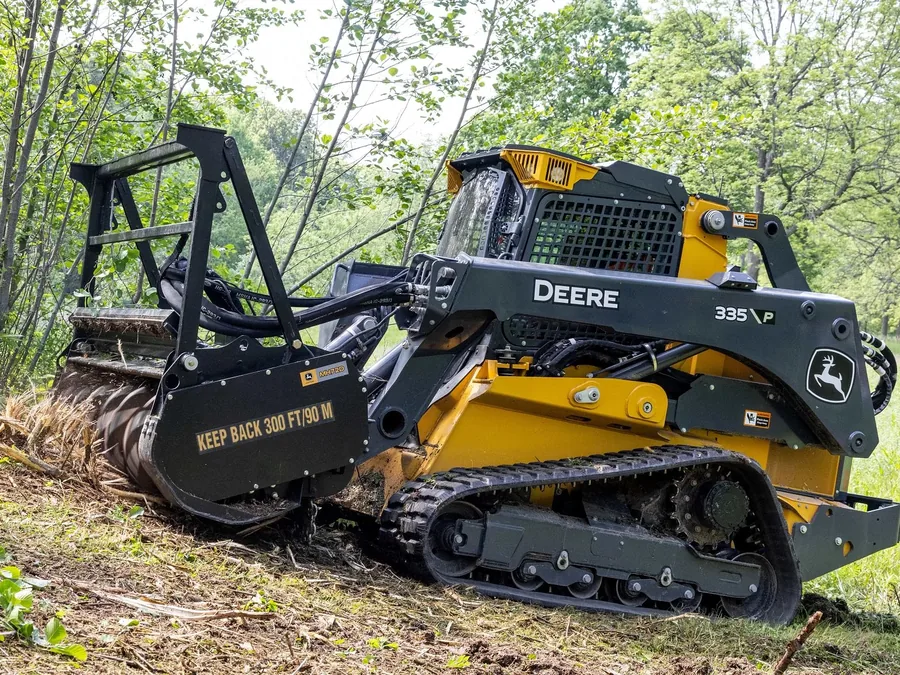
A compact track loader with a mulching head shreds cedar and brush where they grow. The mulch stays on the ground, and the trees you flag stay standing.
Learn More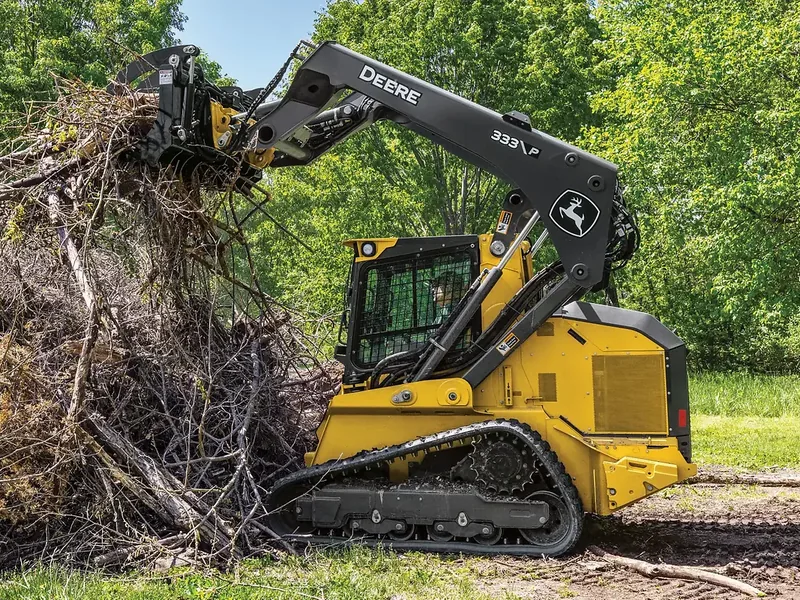
We clear thick brush and regrowth off pasture and raw land. Most of it is mulched where it stands, and a grapple can push dense brush into piles.
Learn MoreWe clear the land, then build the pad and the gravel drive that come after it. One company carries the job to finished ground.
You pick the trees that stay, and the mulcher clears the brush and saplings around them. Shade trees stay up while the thicket under them goes.
On the Blackland Prairie, black clay takes in rain slowly once it is wet. We shape pads and drives so the rain runs off them.
We come out and look at the land before we price anything. The written quote spells out the work, and you decide with it in hand.
Tell us about the land, such as how thick the brush is and how hilly the ground gets. You can also call or text (469) 309-7002, and we will set a time to look at it.
Tell us about the land, what you want done and where it is. We look at the land and put the quote in writing.