
Brush Clearing
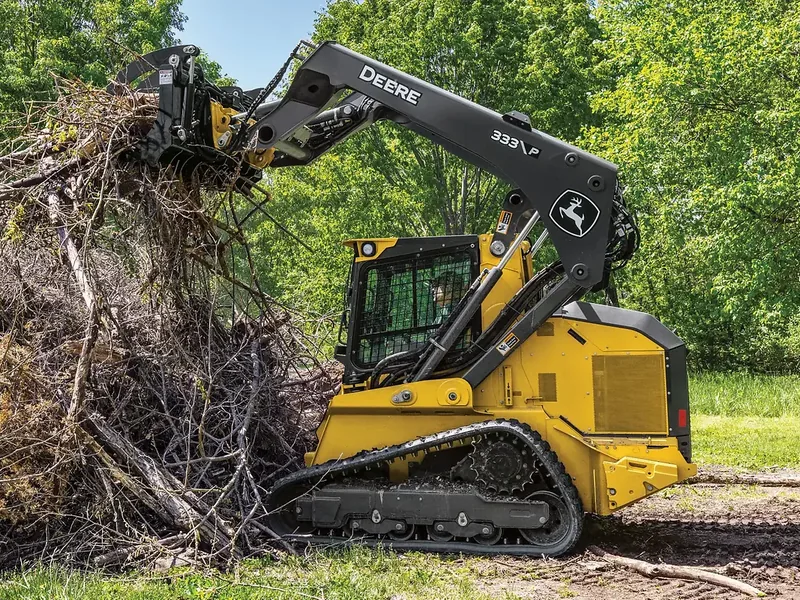
We clear thick brush and regrowth off pasture and raw land. Most of it is mulched where it stands, and a grapple can push dense brush into piles.
Learn More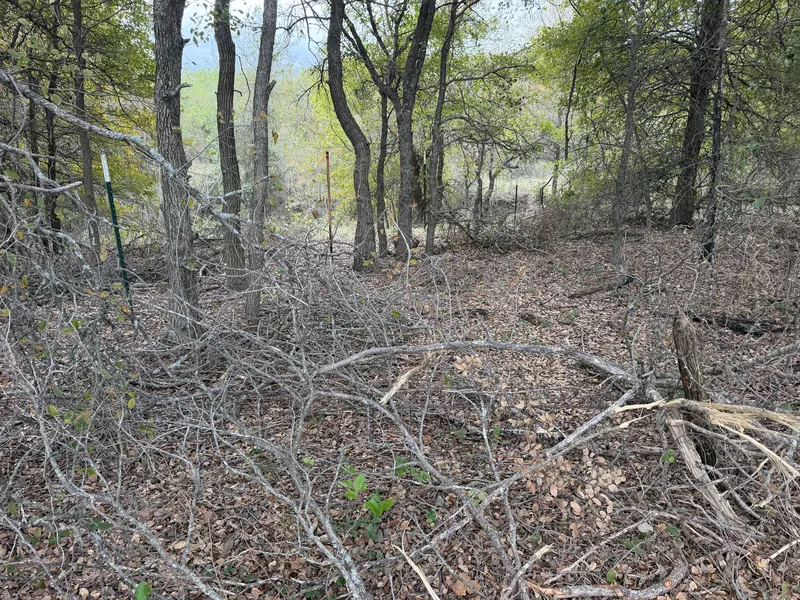
Forestry mulching turns brush and small trees into mulch right where they grow. We run a compact track loader with a forestry mulching head, a spinning drum lined with teeth. The shredded wood stays on the ground and covers the soil. It is our lead method for land clearing around Waxahachie.
Mulching opens a brushy tract back up, so you can see the ground and use it again. It suits acreage you just bought or land you plan to sell. Call or text (469) 309-7002, and we look at the land and put the quote in writing.
Tell us about the land, what you want done and where it is. We look at the land and put the quote in writing.
The mulching head rides on the front of the compact track loader, and the machine works the land in passes. Each pass cuts and grinds at once, so brush and saplings turn to mulch where they stood. You may hear it called skid steer mulching.
Thick brush can take more than one pass. For dense growth, the state forest service describes a first pass with the equipment raised to take the tops. A second, lower pass finishes the cut. The agency also advises running passes across a slope rather than up and down it, to limit erosion.
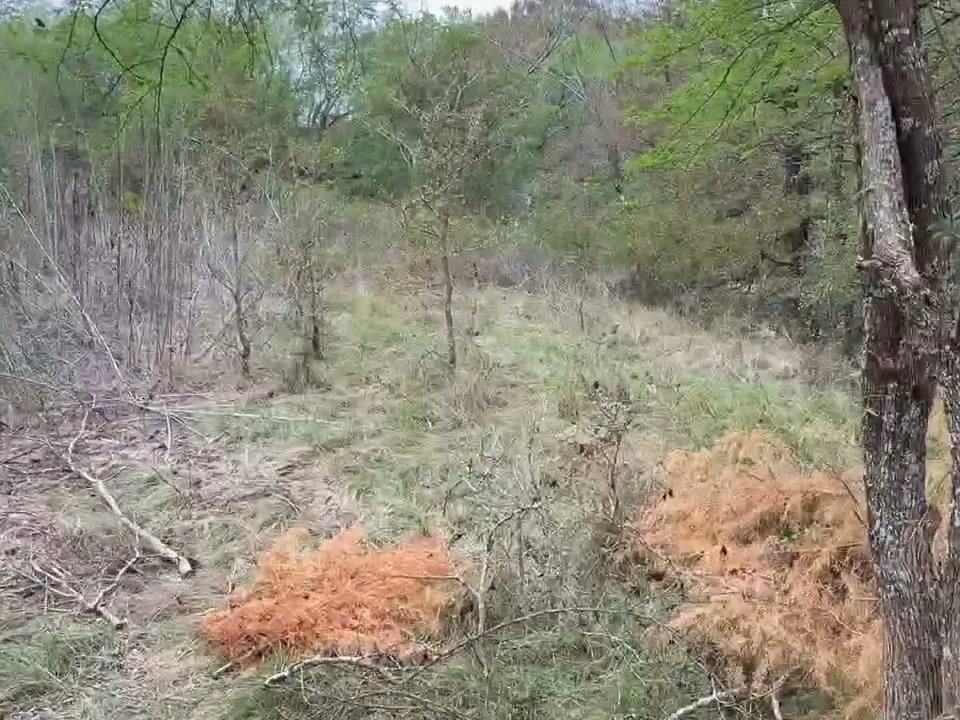
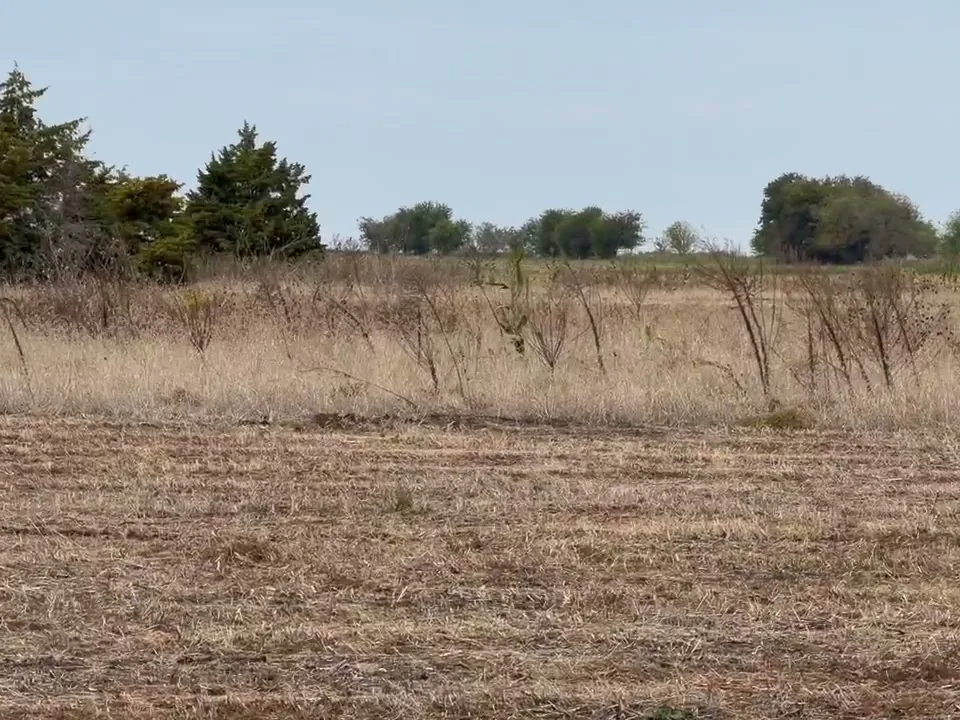
When the machine is done, shredded wood covers the ground. The stems are cut off at ground level, and the roots stay in the soil. The forest service says that layer of mulch cuts the risk of erosion and helps the soil hold water. Texas range research adds that ground cover breaks the force of falling rain.
Waxahachie sits at the center of our service area, on the black clay of the Blackland Prairie. Land left alone here grows up in cedar, mesquite, hackberry and cedar elm, with greenbrier tangled through it. Toward the Cross Timbers to the west, post oak joins the mix.
Some jobs call for every bit of brush gone. Other jobs clear the floor of the woods and keep the good trees standing. You flag the trees that stay, and the mulcher works around them.
It depends on what the land is for. A dozer pushes trees over and tears out the roots, which leaves bare dirt and brush piles behind. A Texas study of dozed and burned cedar traced most steep-slope erosion to soil torn up under the trees. Mulching leaves the roots in the soil and a layer of cover on top.
Burning those piles brings its own rules. Inside Waxahachie city limits, burning brush outdoors takes a permit from the Fire Marshal's office. Out in the county, the commissioners court can order a burn ban during a drought. Mulching leaves no burn piles to wait on.
Mulching has limits too. The roots stay in the ground, so a house pad or a gravel drive needs dirt work afterward. Our page on site preparation for a building pad covers that step. A tree service or an arborist handles trimming and trees close to a house or a power line.
Call or text for a written quote. We work about 200 miles around Waxahachie across Ellis County and the counties around Dallas and Fort Worth.
(469) 309-7002From the first call or text to the finished work, here is how it goes.
Call or text (469) 309-7002, or send the form. Tell us where the land is and how thick the brush has grown.
We come out to see the brush and the way in for the machine. You tell us what the land is for, and we plan the work around it.
The quote lists the work and the price in writing. Work starts once you approve it.
We set a start date with you and bring in the mulcher. Brush and small trees turn to mulch where they stand.
When the plan calls for dirt work, the pad and the drive go in next. The job ends with open ground ready to use.
Common questions about forestry mulching around Waxahachie and the counties south of Dallas and Fort Worth. If yours is not here, call or text and ask.
We clear thick brush and regrowth off pasture and raw land. Most of it is mulched where it stands, and a grapple can push dense brush into piles.
Learn More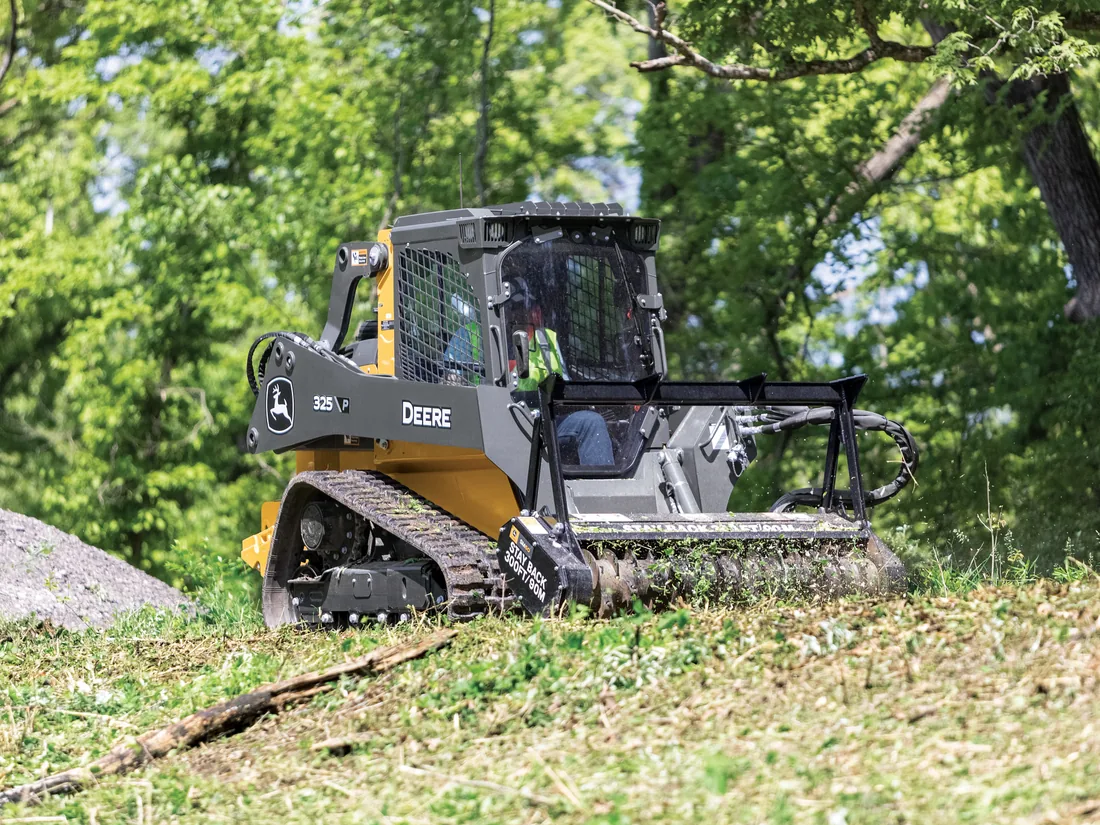
We clear building lots ahead of the builder and overgrown lots ahead of a sale. Brush and small trees are mulched in place, and the trees you want stay standing.
Learn More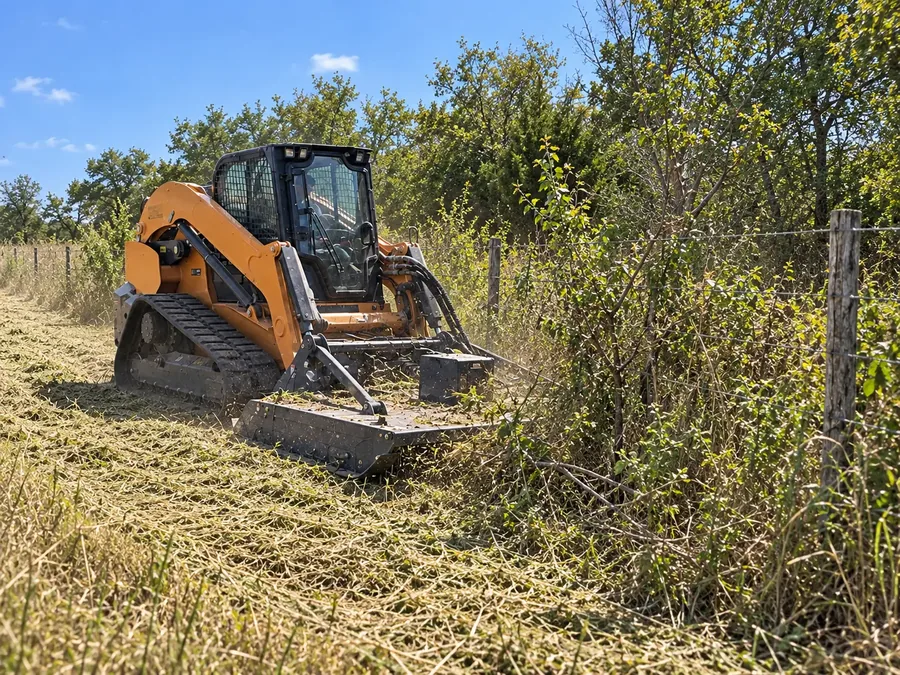
We mulch the brush and trees that grow into fence rows and along property lines. You get a fence you can see and a clear strip to build or survey on.
Learn MoreWe clear the land, then build the pad and the gravel drive that come after it. One company carries the job to finished ground.
You pick the trees that stay, and the mulcher clears the brush and saplings around them. Shade trees stay up while the thicket under them goes.
On the Blackland Prairie, black clay takes in rain slowly once it is wet. We shape pads and drives so the rain runs off them.
We come out and look at the land before we price anything. The written quote spells out the work, and you decide with it in hand.
Forestry mulching in Texas runs about $1,500 to $4,000 an acre at published rates. See day rates, small-job minimums, cedar costs and how dozing compares.
Read more →
What land clearing costs per acre in Texas by method, from published Texas rates. See what moves the price and what to check before work starts.
Read more →Tell us about the land, such as how thick the brush is and how hilly the ground gets. You can also call or text (469) 309-7002, and we will set a time to look at it.
Tell us about the land, what you want done and where it is. We look at the land and put the quote in writing.