Dirt Work
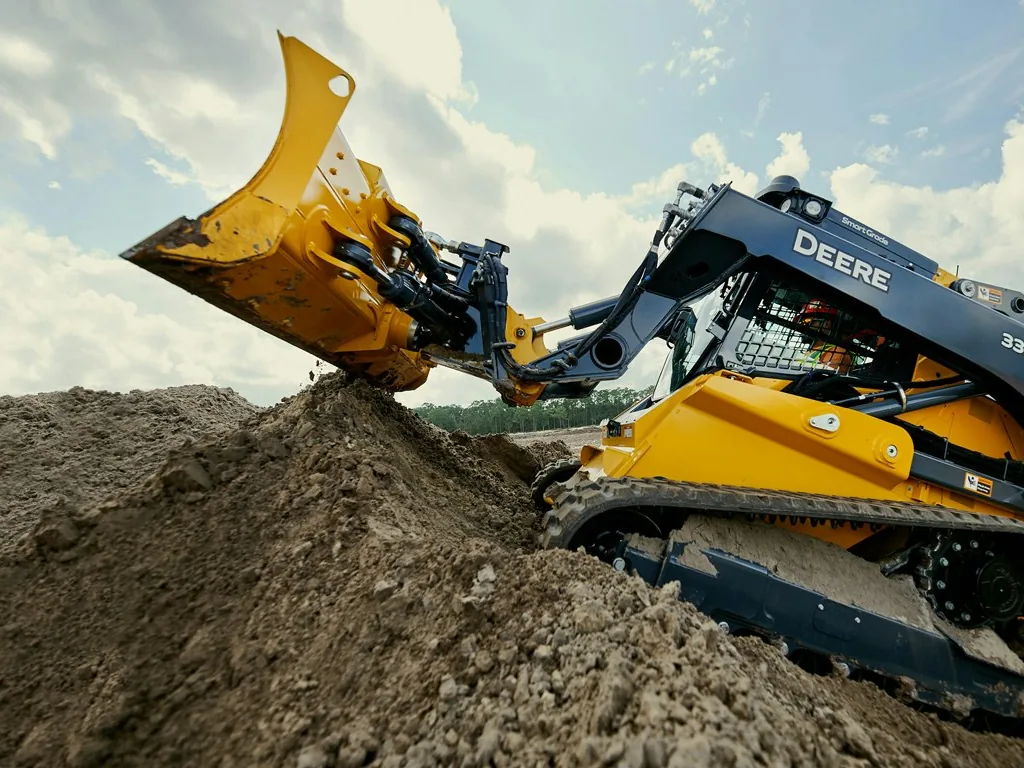
Fill, backfill, berms and rough shaping for home sites and rural land. We move dirt from where it sits to where the job needs it.
Learn More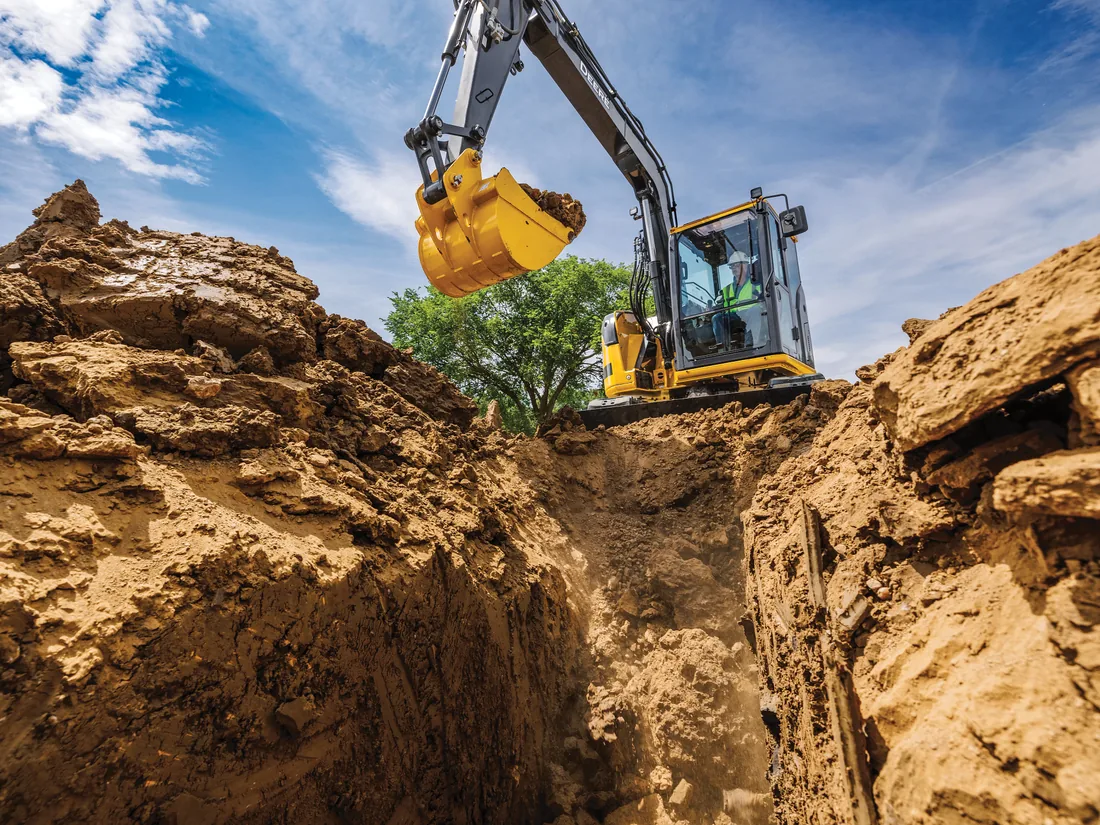
A new house needs its footings dug. A low corner of the yard holds water after every rain. Kingdom Earthworks is an excavation contractor for jobs like these. We serve Waxahachie and Ellis County, out to the counties around Dallas and Fort Worth.
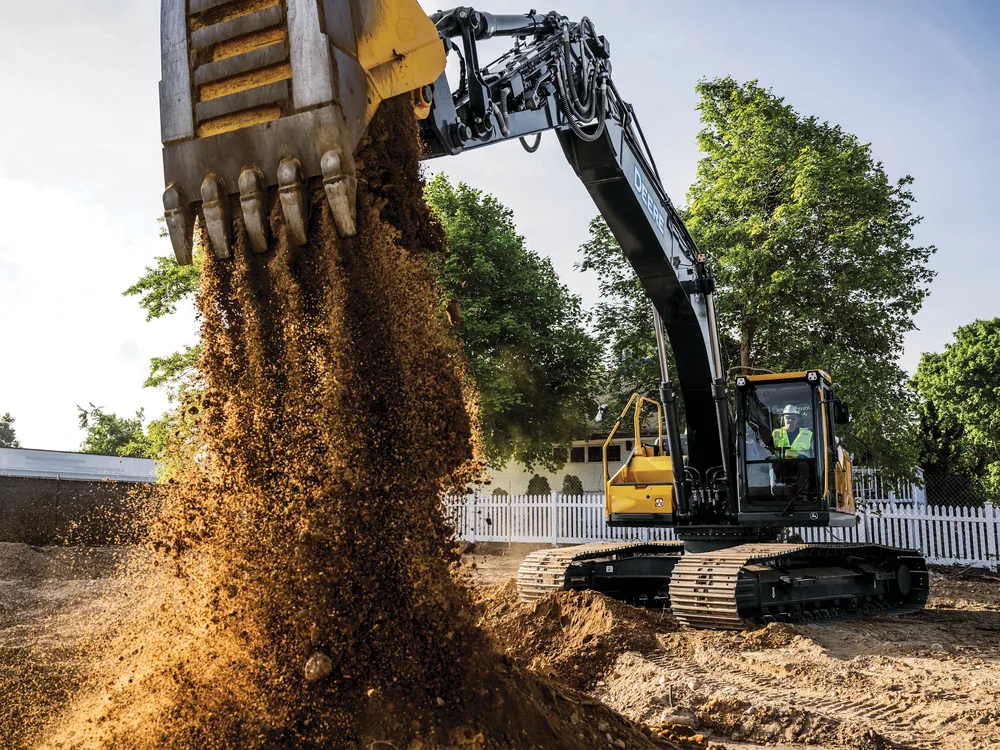
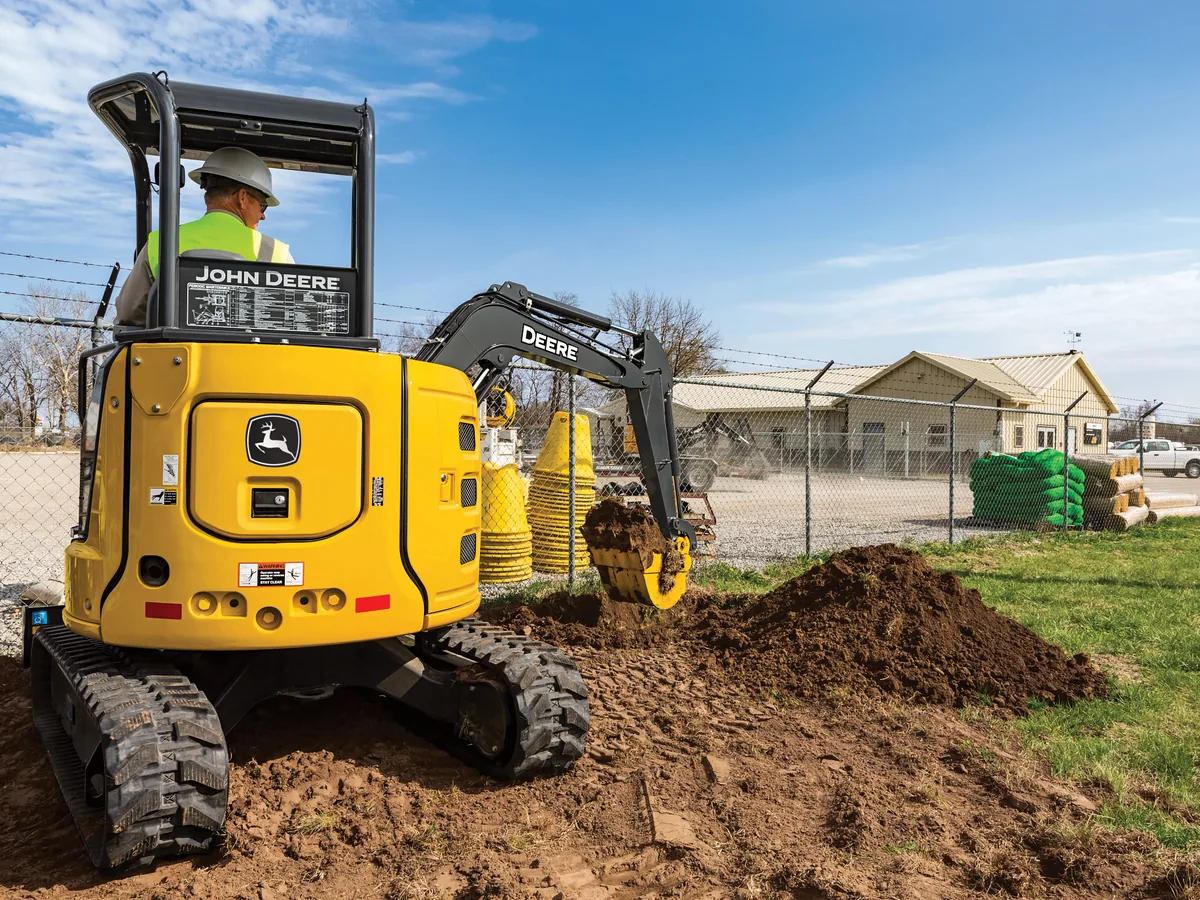
Excavation is the digging part of a land job. We dig for footings and slabs to the builder's or engineer's plan. Trenches and drainage ditches are part of it too, and so is digging out soft ground. On overgrown land, land clearing around Waxahachie comes first, and site preparation gets raw land ready to build.
Tell us about the land, what you want done and where it is. We look at the land and put the quote in writing.
Footings and slabs start with a dig. The builder or the engineer sets the depth and the layout for that ground. We dig to their plan, and the foundation contractor takes it from there.
A trench follows the route and the depth the job calls for. A licensed plumber or a licensed electrician lays any water or power line in it and makes the hookup. Texas law requires a call to 811 at least two business days before digging.
Some ground is too soft or too wet to build on. We dig it out to firm soil so good fill can go in under a pad or a drive.
The two most common soils in Ellis County are Houston Black and Heiden clays, per the USDA soil survey. In the survey's typical profile for this Blackland ground, the surface layer is black clay about 24 inches thick. Clay continues below that past 80 inches.
Locals call it black gumbo, and the soil survey rates its shrink-swell potential very high. It swells as it soaks up water and shrinks and cracks as it dries. Wet, it turns sticky and hard to work, and machines rut it.
The survey rates both clays very limited for shallow excavations. That is its term for trenches and holes dug 5 or 6 feet deep at most. It names unstable excavation walls and too much clay as the reasons. So we time a dig for firm ground and backfill a trench soon after the work in it is done.
The soil survey says water moves through these Blackland soils slowly or very slowly. Rain that cannot soak in runs off or stands in the low spots. A drainage ditch gives that water a way out.
A swale is a wide, shallow channel with sloped sides that a truck or a mower can cross. A ditch is narrower and deeper, for spots where more water has to move. Both get dug to follow the way the land already drains.
Shaping a whole yard or field so it sheds water is land grading, and some jobs need both. Some owners would rather catch that water in a pond or a stock tank, which is pond construction work.
Call or text for a written quote. We work about 200 miles around Waxahachie across Ellis County and the counties around Dallas and Fort Worth.
(469) 309-7002From the first call or text to the finished work, here is how it goes.
Call or text (469) 309-7002, or send the form. Tell us where the land is and how thick the brush has grown.
We come out to see the brush and the way in for the machine. You tell us what the land is for, and we plan the work around it.
The quote lists the work and the price in writing. Work starts once you approve it.
We set a start date with you and bring in the mulcher. Brush and small trees turn to mulch where they stand.
When the plan calls for dirt work, the pad and the drive go in next. The job ends with open ground ready to use.
Common questions about excavation around Waxahachie and the counties south of Dallas and Fort Worth. If yours is not here, call or text and ask.
Fill, backfill, berms and rough shaping for home sites and rural land. We move dirt from where it sits to where the job needs it.
Learn More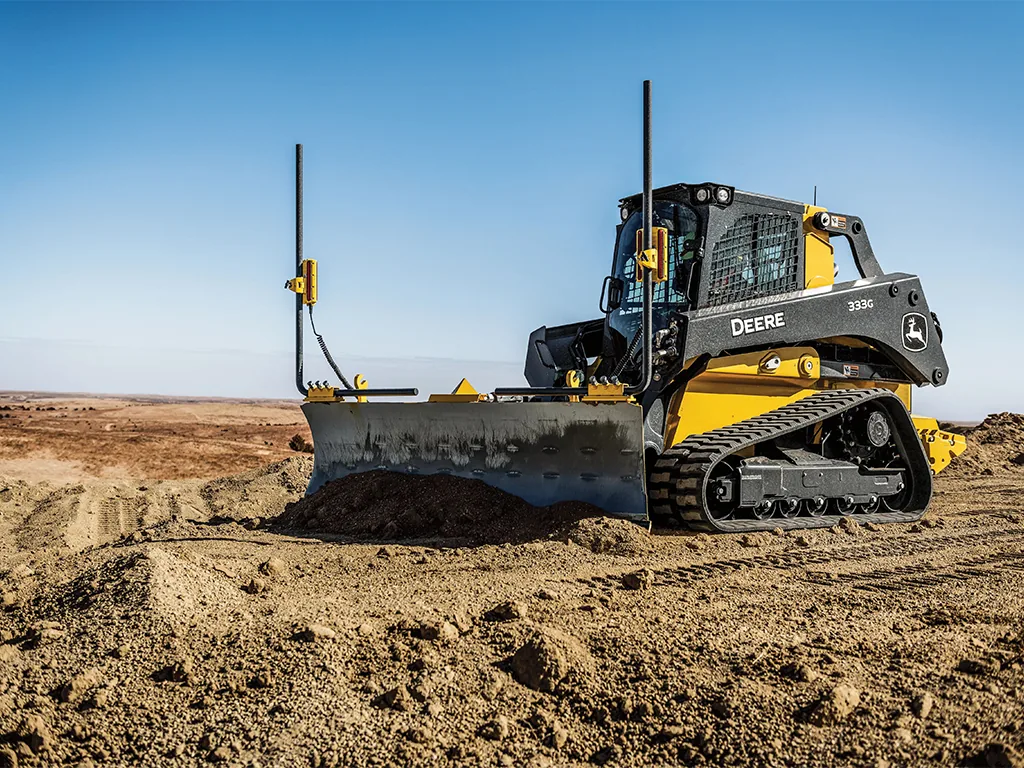
We cut the high spots and fill the low ones so rain runs away from your buildings. We grade yards at new homes and rough acreage in the Waxahachie area.
Learn More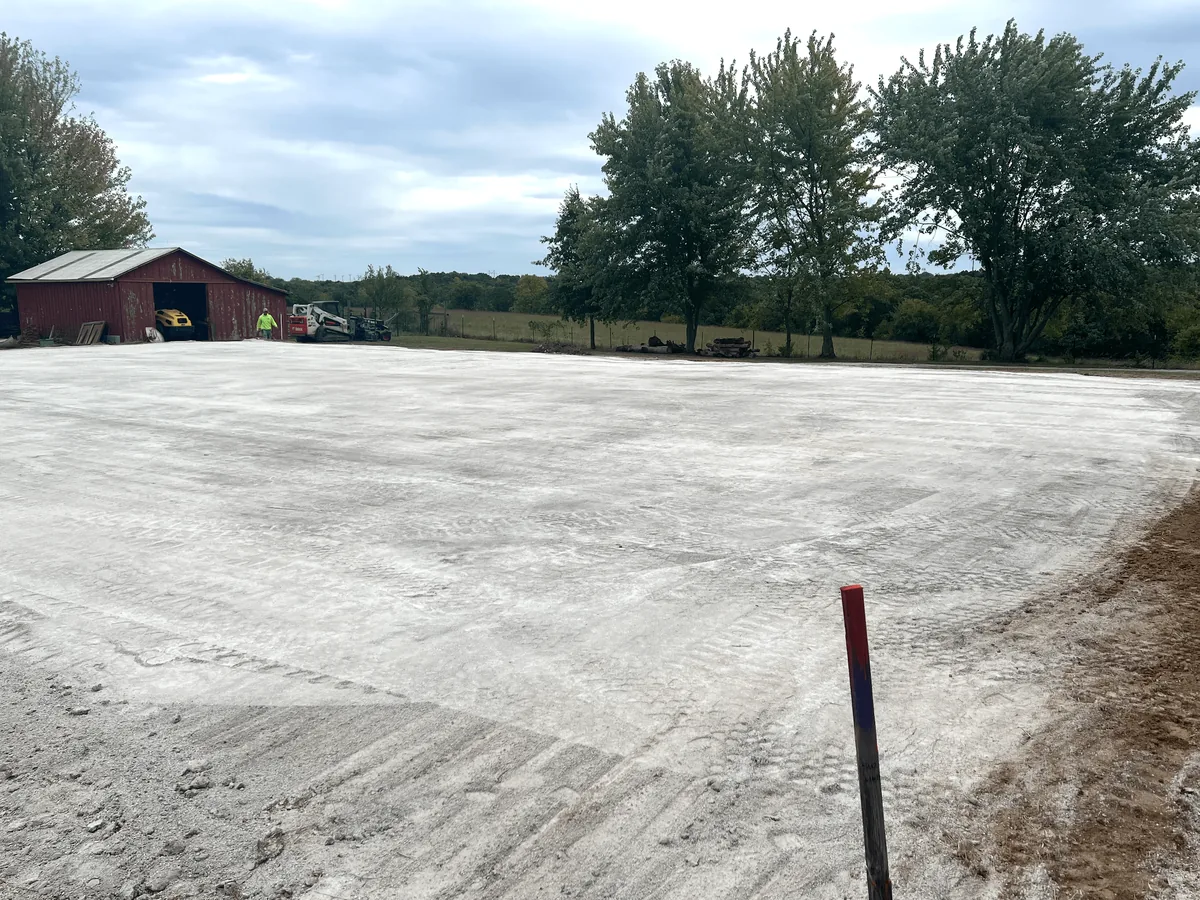
We turn raw land into a site ready to build. We clear the ground and build the pad to your builder's plan.
Learn MoreWe clear the land, then build the pad and the gravel drive that come after it. One company carries the job to finished ground.
You pick the trees that stay, and the mulcher clears the brush and saplings around them. Shade trees stay up while the thicket under them goes.
On the Blackland Prairie, black clay takes in rain slowly once it is wet. We shape pads and drives so the rain runs off them.
We come out and look at the land before we price anything. The written quote spells out the work, and you decide with it in hand.
Tell us about the land, such as how thick the brush is and how hilly the ground gets. You can also call or text (469) 309-7002, and we will set a time to look at it.
Tell us about the land, what you want done and where it is. We look at the land and put the quote in writing.