
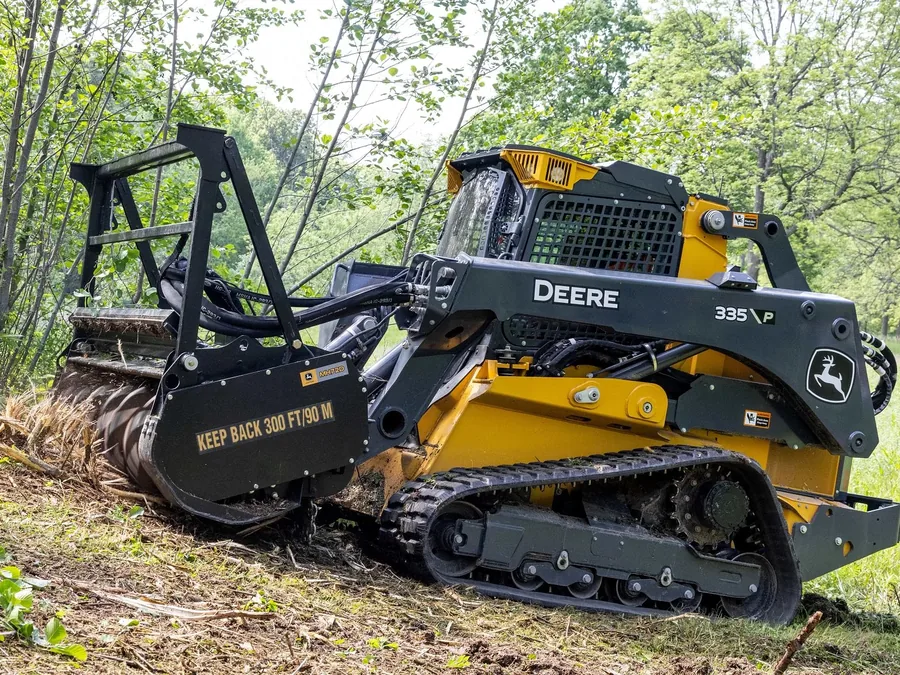
Forestry Mulching
A compact track loader with a mulching head shreds cedar and brush where they grow. The mulch stays on the ground, and the trees you flag stay standing.
Learn More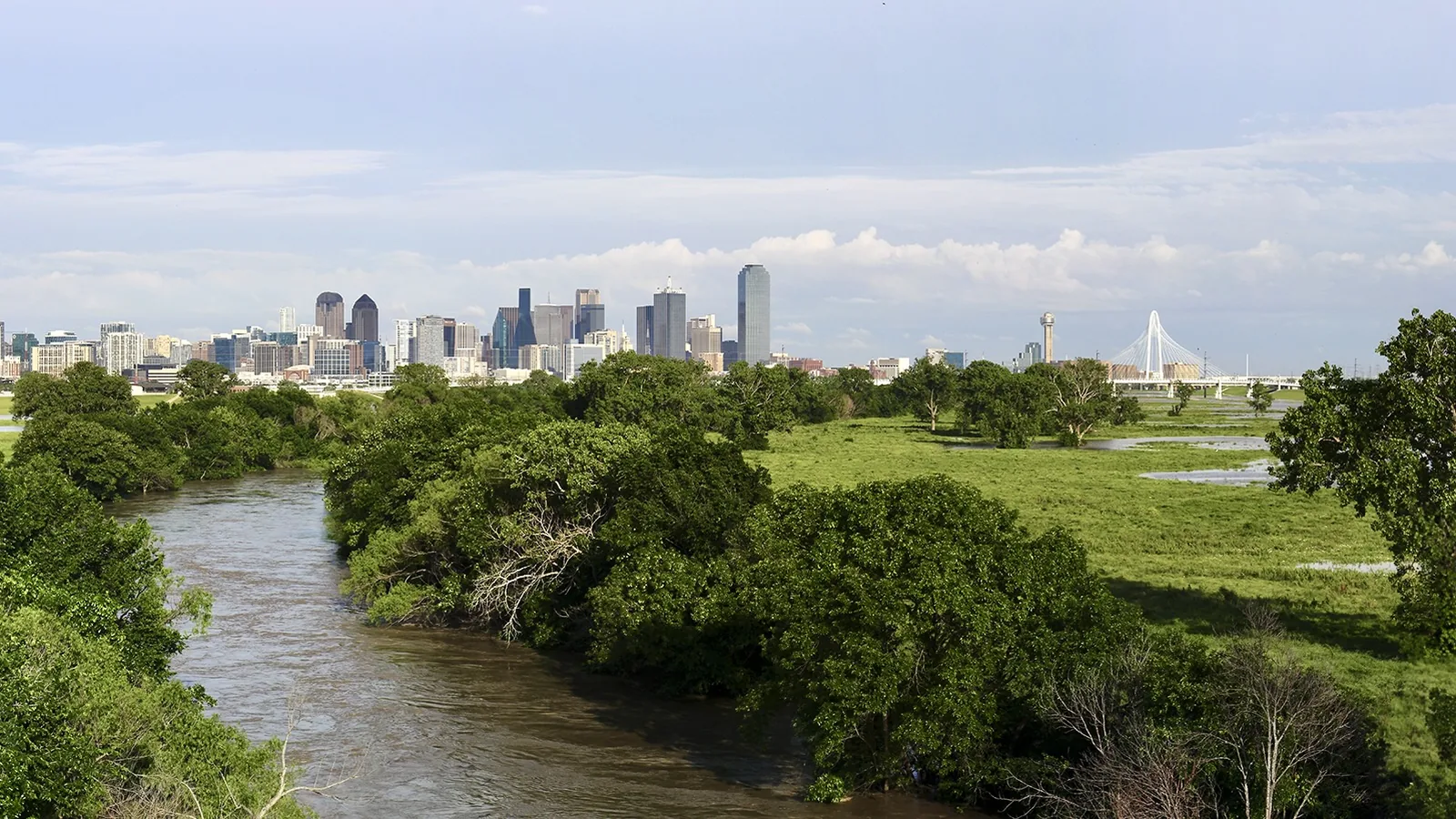
Dallas still has wooded lots and creek bottoms, and most of that open ground lies south and southeast of downtown. Left alone, it fills in with hackberry, elm, mesquite and cedar, and vines climb through the gaps. An owner who plans to build or sell has to open that ground up first. In Dallas, city tree and floodplain rules also decide where a machine may go.
Kingdom Earthworks does land clearing and dirt work, and Dallas is part of our service area around Waxahachie. Our main method here is forestry mulching, with a mulching head on a compact track loader. It grinds brush and small trees where they stand and leaves the trees you mark. We look at the land and put the quote in writing, so call or text (469) 309-7002.
Tell us about the land, what you want done and where it is. We look at the land and put the quote in writing.
Pleasant Grove sits about eight miles southeast of downtown and runs south to the Trinity River. Past it, Kleberg, once a farm community, sits on US-175 and Hickory Creek. Kleberg joined Dallas in 1978, and Rylie lies nearby.
Highland Hills and UNT Dallas sit on the far south side. Redbird and Mountain Creek lie to the southwest. Dallas keeps building, too: the city authorized 2,026 single-family homes in 2025, per the Census Bureau's permit survey.
Lot clearing opens a home site before the build or a tract an agent wants to show. On bigger acreage, the mulcher thins out thick brush so you can see what you own.
In Dallas County's federal soil survey, Houston Black clay covers more ground than any other soil series. In a dry spell it opens cracks up to 4 inches wide. Once wet, it takes in water very slowly. Wet black clay is hard to work, so the schedule follows the weather.
On the Oak Cliff side, the survey maps chalky clays, often thin over the chalk. Austin and Eddy soils lead there, and juniper, which Texans call cedar, is common on the Eddy ground. Ferris and Heiden clays hold the steeper slopes along the escarpment.
In the southeast, Trinity clay fills the river bottoms, and the survey rates it occasionally to frequently flooded. Its native cover is hardwood forest of elm, hackberry, oak and ash. The southeast also has sandier ground, such as Silstid loamy fine sand.
Dallas regulates trees under Article X of its development code. The City Arborist team in the Planning and Development department enforces it. City arborist staff list trees 8 inches in diameter and larger as protected.
The same staff say most home sites in residential districts are exempt. The exemption covers a lot under two acres with a house or a duplex on it. Vacant lots and lots of two acres or more need a permit to remove protected trees.
On land the rules cover, city staff say arborist authorization comes before any clearing. The tree removal application goes through the city's DallasNow portal and needs a tree survey.
South of I-30, the code also draws an escarpment zone where the Austin Chalk meets the Eagle Ford shale. Inside it, removing trees or other plants or changing the ground is an offense. On similar ground around it, an escarpment permit comes first. The city answers these questions for a given lot, and we point you there before work starts.
From near downtown, the Great Trinity Forest follows the Trinity River for roughly eleven miles, to just past I-20. It covers about 6,000 acres, and the city owns almost all of it. On private land, the city's floodplain rules reach any ground the design flood would cover, mapped or not.
The city's development code makes it an offense to remove or injure vegetation in a floodplain. One defense is written approval in advance from the director of water utilities. Filling or digging there takes a fill permit or a floodplain alteration permit from that director. The code also says the small-lot tree exemption does not reach protected trees in a floodplain.
The city does not maintain creeks on private property: upkeep is the owner's job. It also bans dumping debris into creeks and floodplains, and warns that even branches can clog a channel. On a creek tract, brush clearing starts with the floodplain question. Then the work runs from the dry bank, and the mulch stays out of the water.
Communities and areas we serve around Dallas: Pleasant Grove, Kleberg, Rylie, Prairie Creek, Lake June, Joppa, Cedar Crest, Highland Hills, Redbird, Mountain Creek, Oak Cliff.
Dallas ZIP codes served: 75203, 75215, 75216, 75217, 75224, 75232, 75236, 75237, 75241, 75249, 75253.
Dallas is part of our service area. We look at the land first, then put the quote in writing.
(469) 309-7002 A compact track loader with a mulching head shreds cedar and brush where they grow. The mulch stays on the ground, and the trees you flag stay standing.
Learn More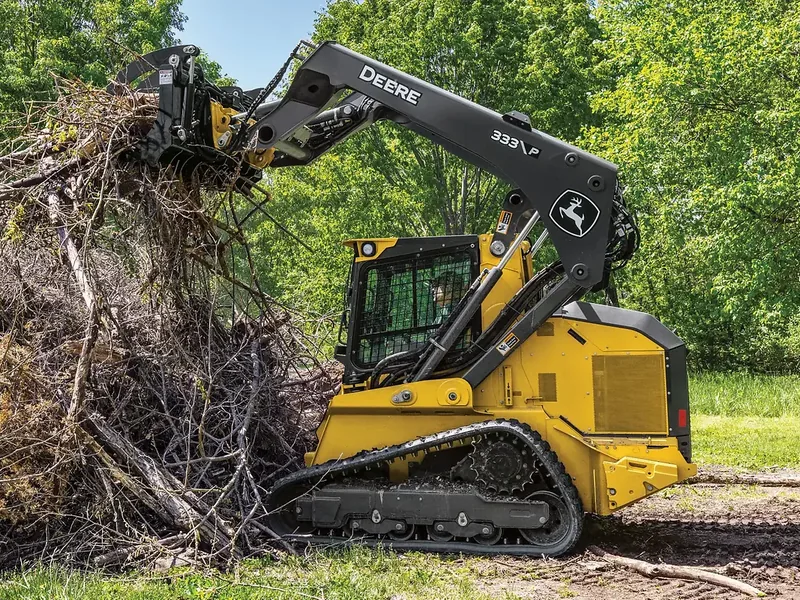
We clear thick brush and regrowth off pasture and raw land. Most of it is mulched where it stands, and a grapple can push dense brush into piles.
Learn More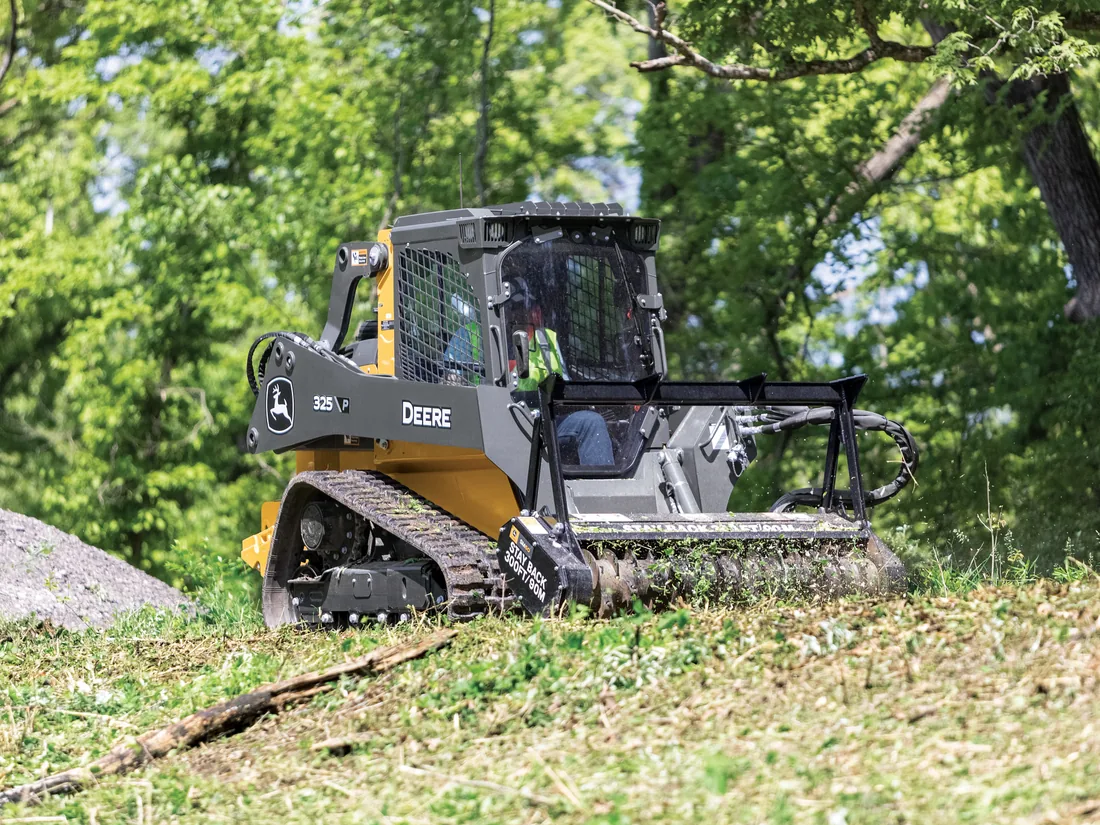
We clear building lots ahead of the builder and overgrown lots ahead of a sale. Brush and small trees are mulched in place, and the trees you want stay standing.
Learn More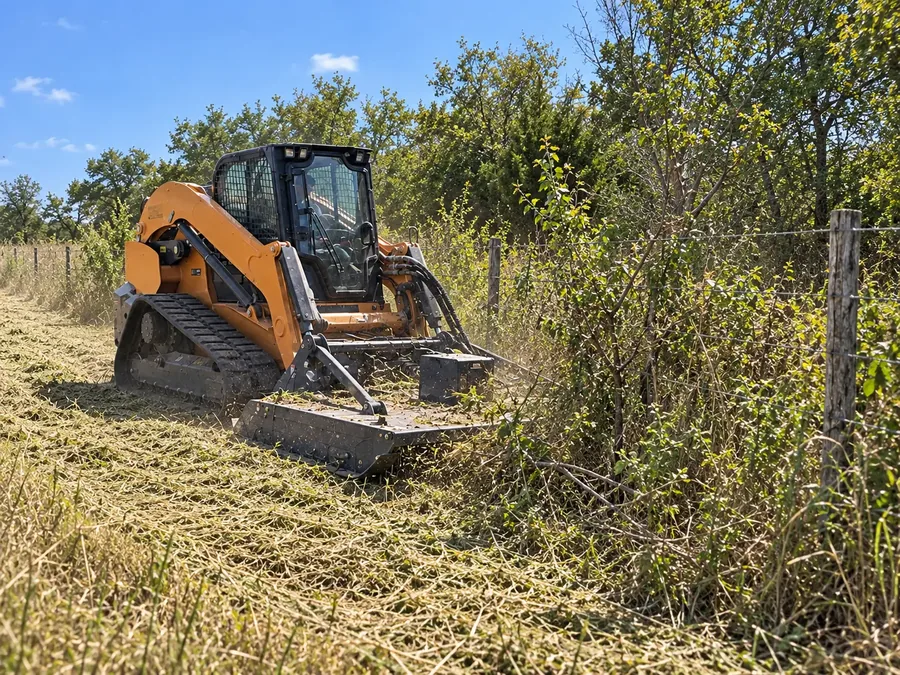
We mulch the brush and trees that grow into fence rows and along property lines. You get a fence you can see and a clear strip to build or survey on.
Learn More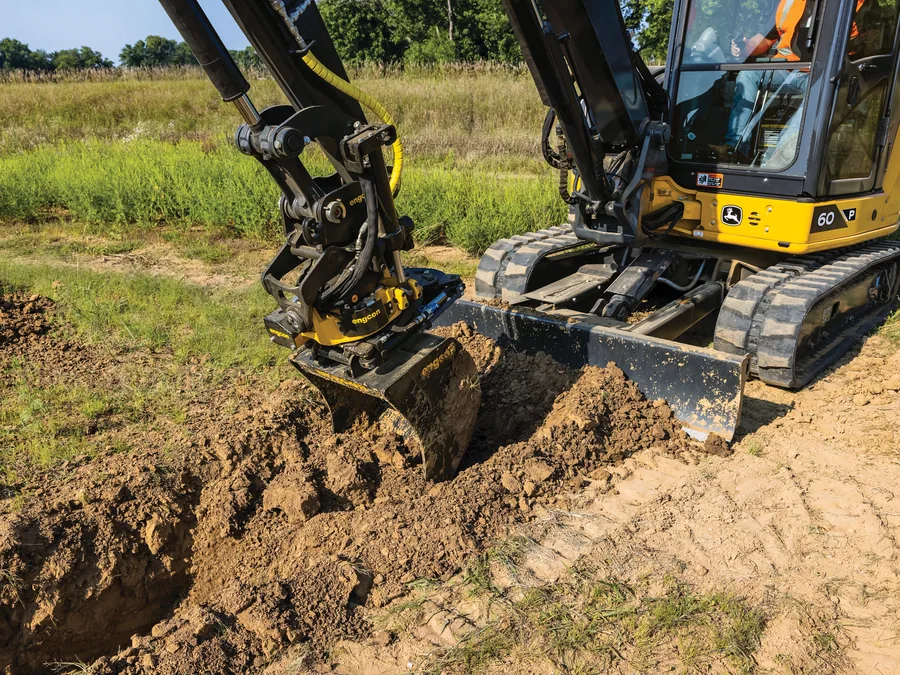
Footing and slab digs to the builder's plan, plus trenches and drainage ditches around Waxahachie and Ellis County. We look at the ground and put the quote in writing.
Learn More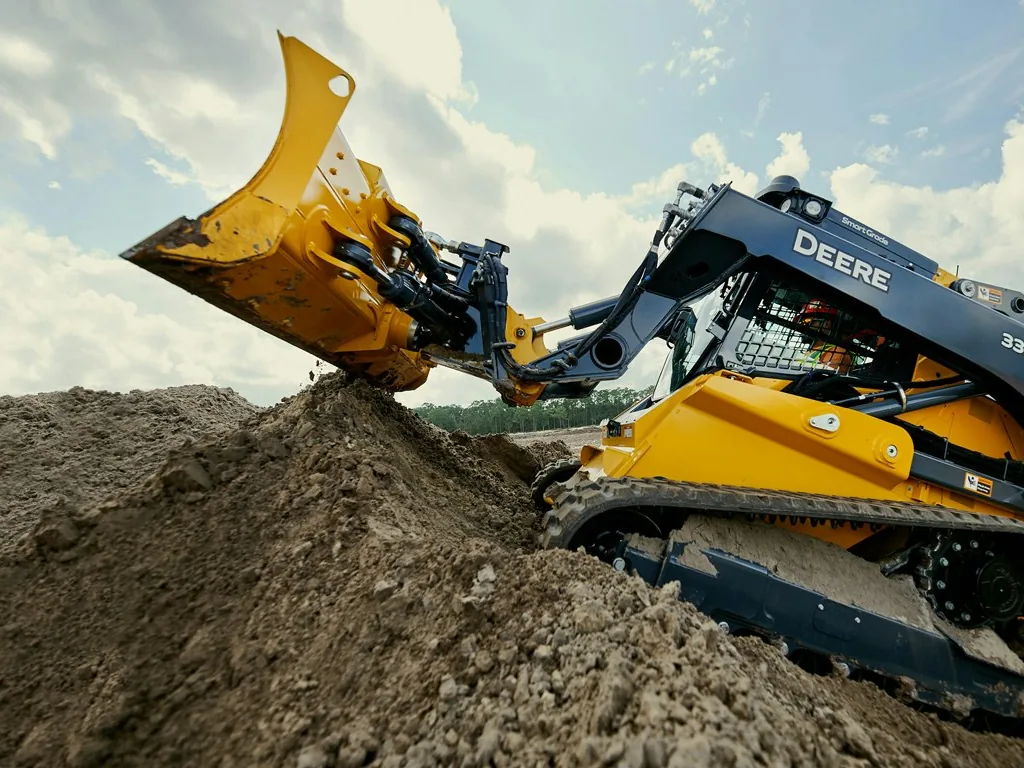
Fill, backfill, berms and rough shaping for home sites and rural land. We move dirt from where it sits to where the job needs it.
Learn More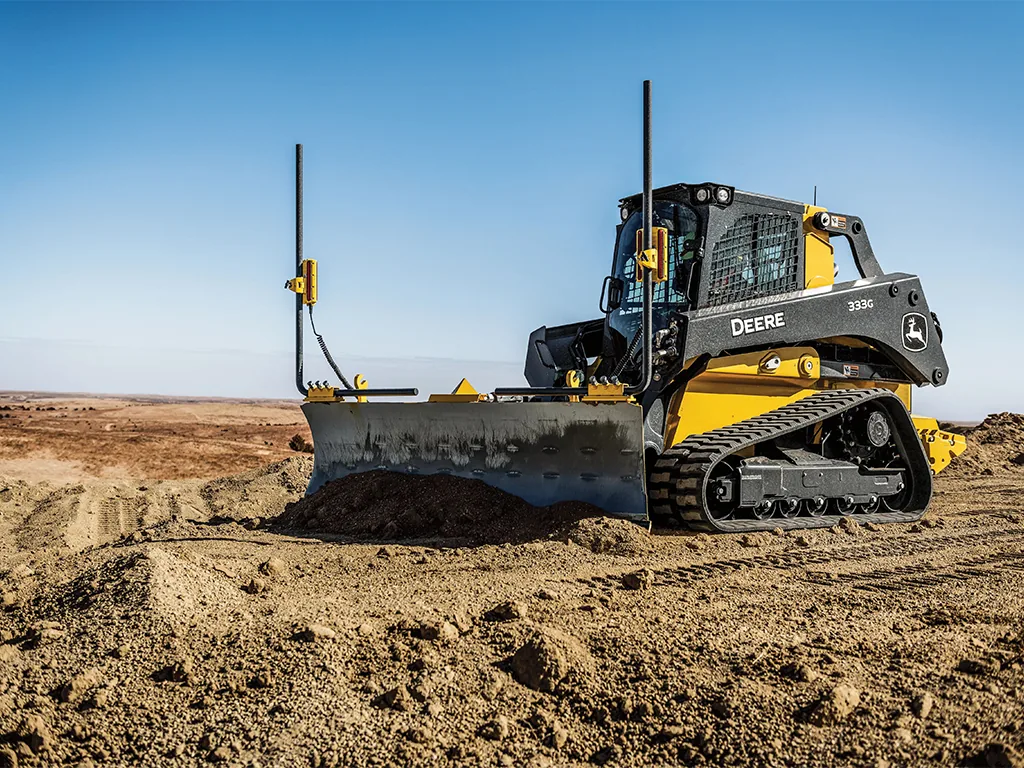
We cut the high spots and fill the low ones so rain runs away from your buildings. We grade yards at new homes and rough acreage in the Waxahachie area.
Learn More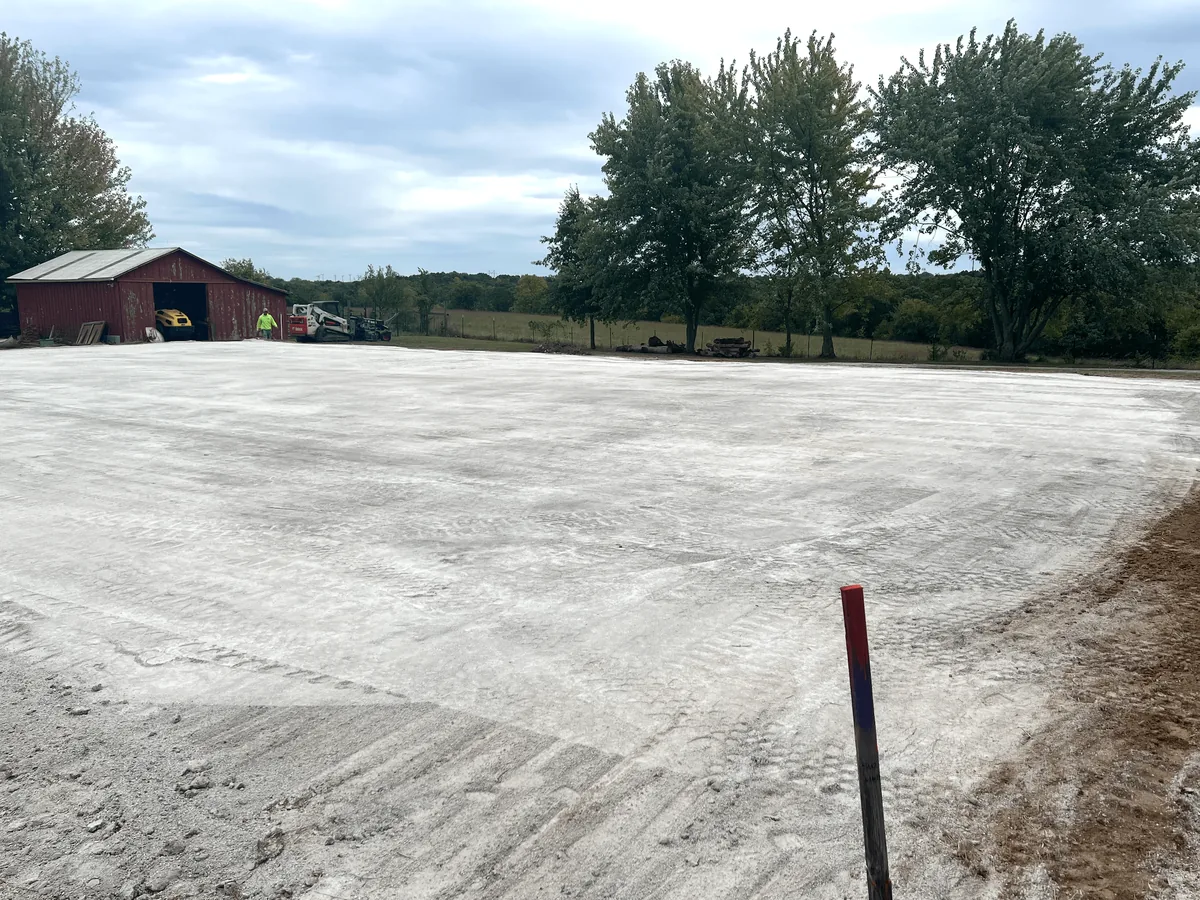
We turn raw land into a site ready to build. We clear the ground and build the pad to your builder's plan.
Learn More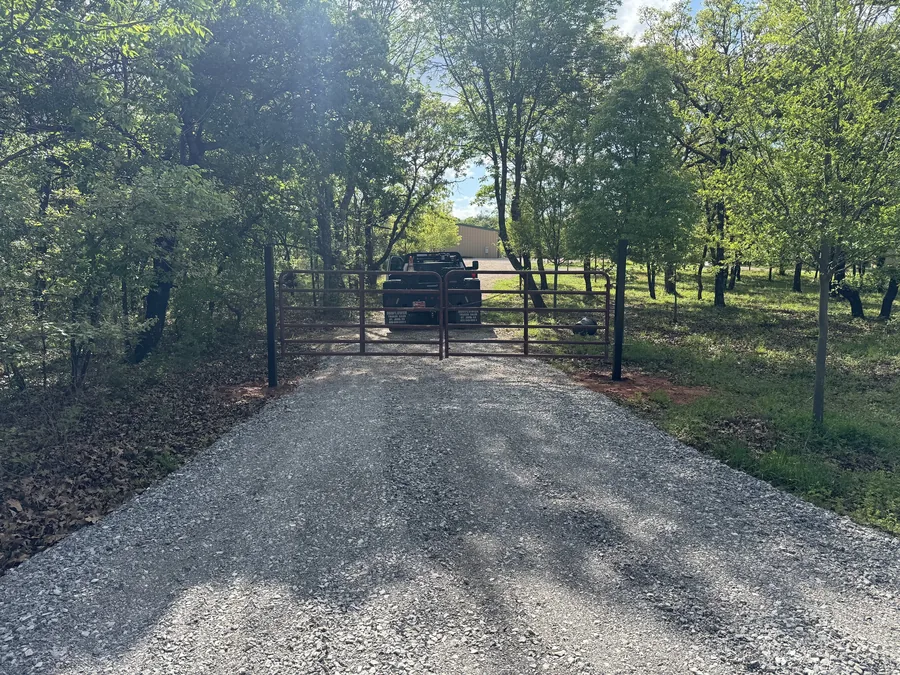
We build gravel driveways onto raw land and home sites, from the base up to the top rock. We also level and regrade worn gravel driveways.
Learn More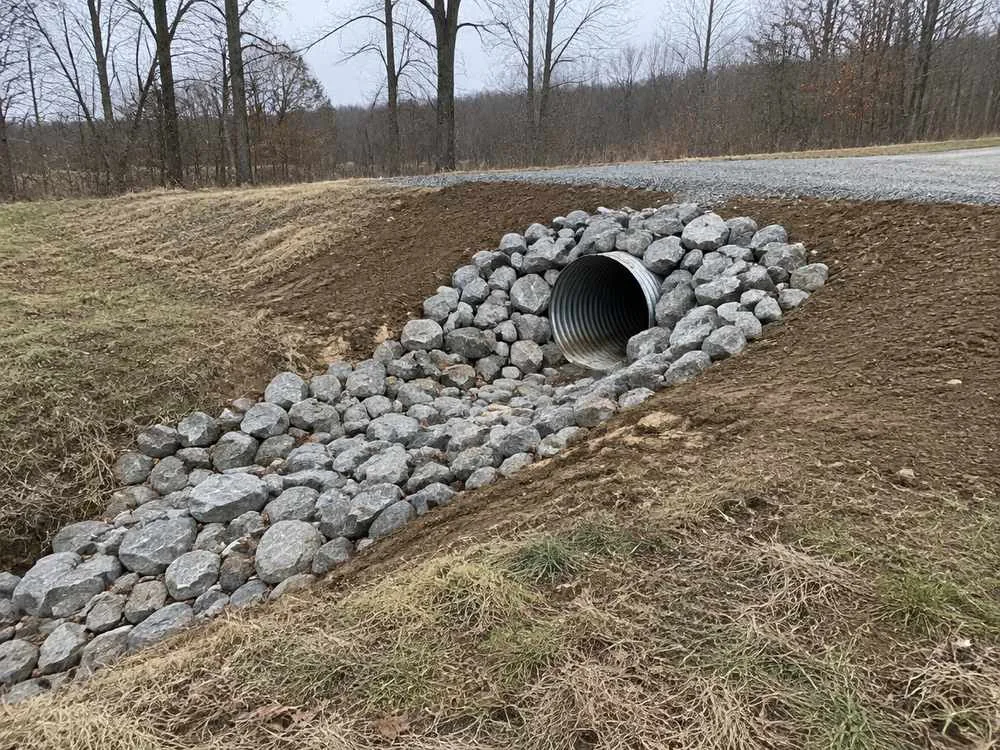
Driveway culverts at the road ditch and culvert crossings where a ranch road meets a draw. Each pipe goes in at the low line where water runs, on a firm, even bed.
Learn More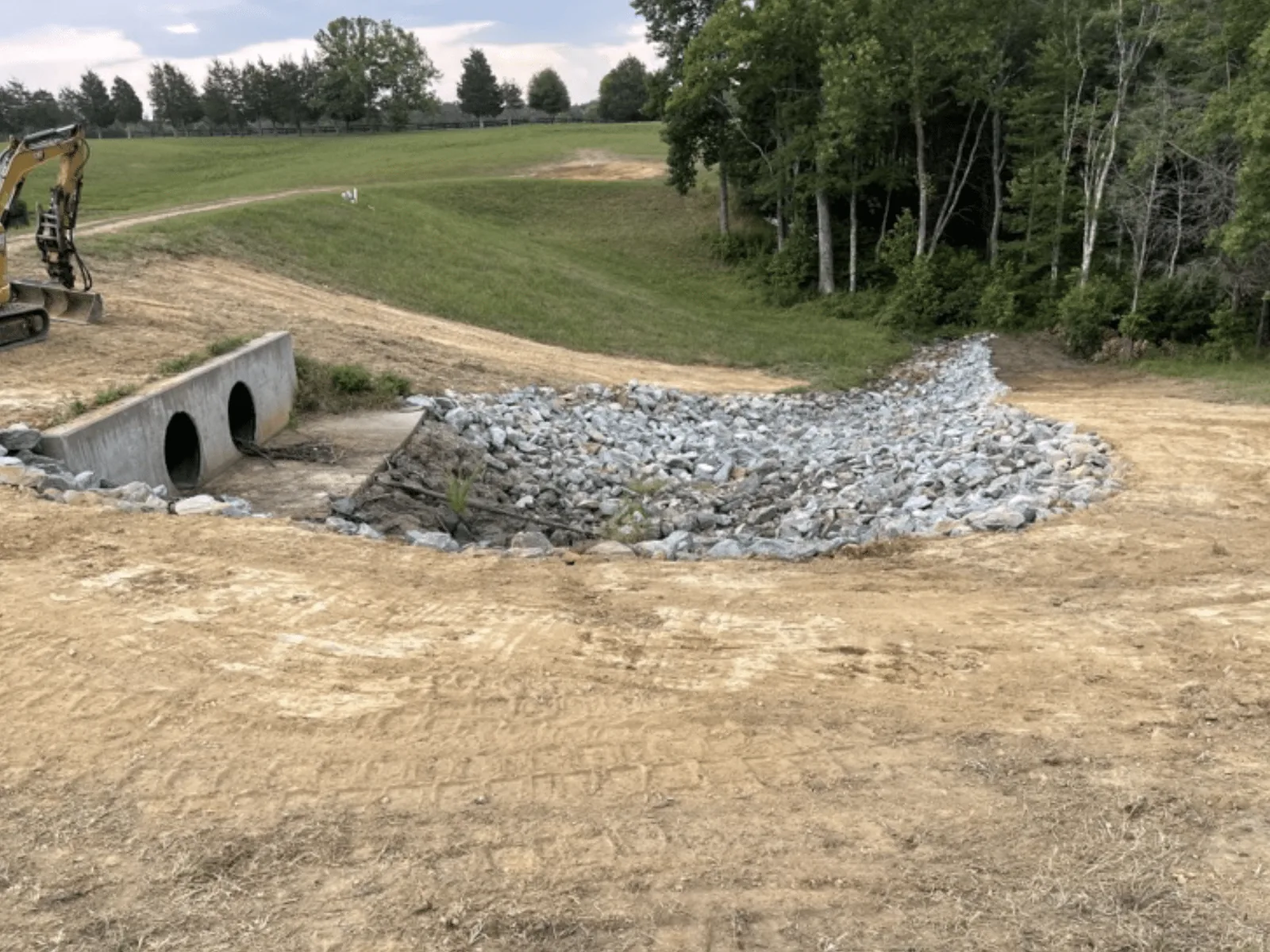
We set rock rip rap on washing banks, in ditches, at culvert outlets and on pond dams. We also shape the ground so runoff slows down and stops cutting.
Learn More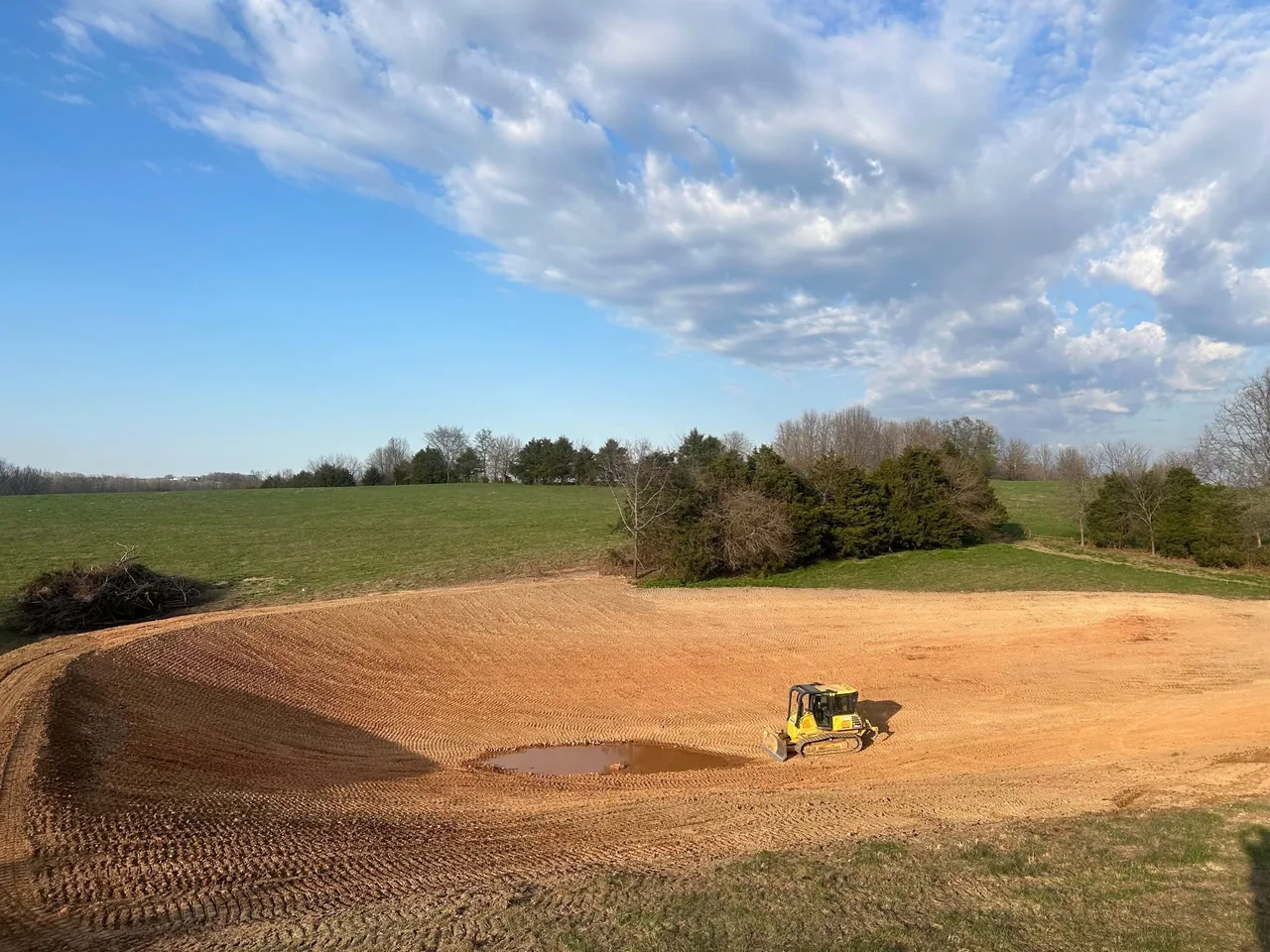
We build stock tanks and big ponds on rural land around Waxahachie. Each one starts with the clay under the spot and the land that drains to it.
Learn More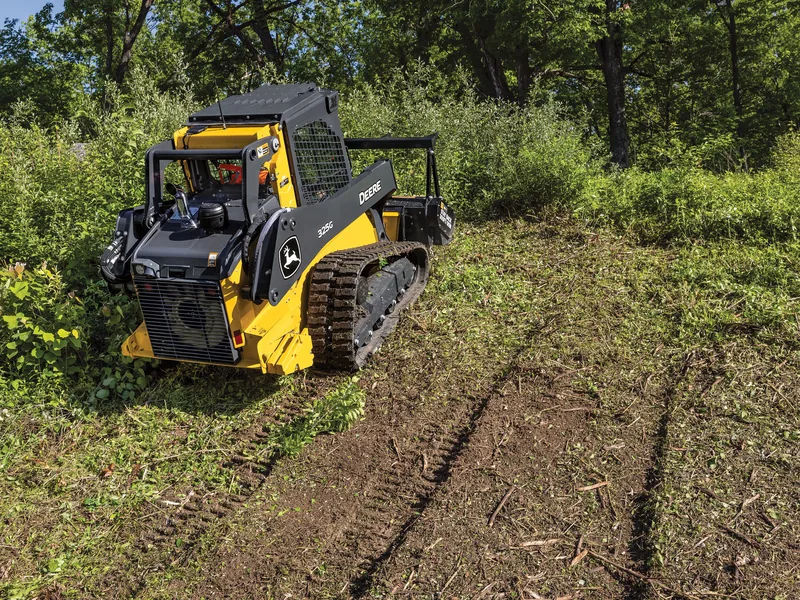
We cut UTV trails and hunting trails through brush and woods with a forestry mulching head. The mulch stays on the trail, and the trail bends around the trees you keep.
Learn More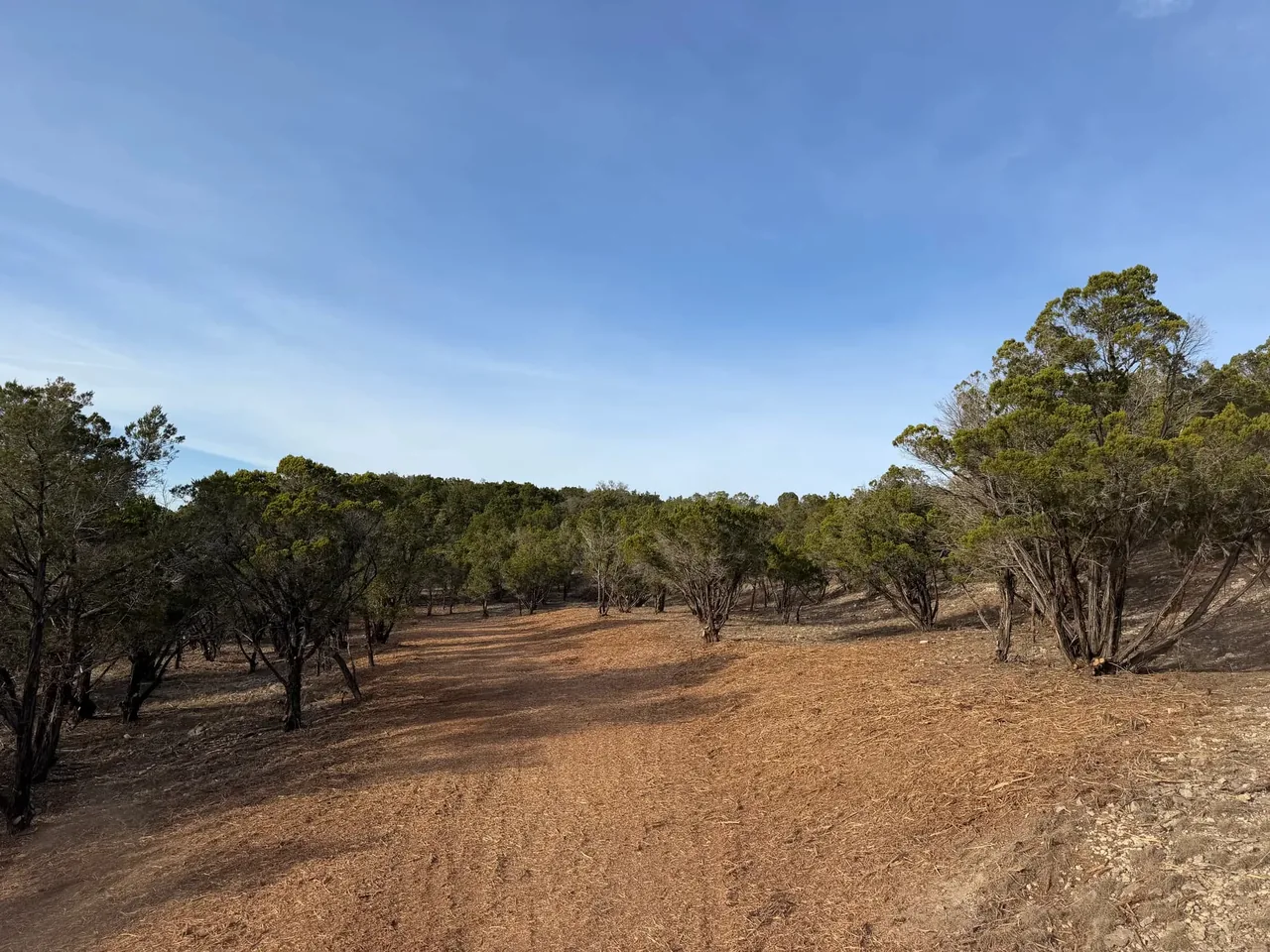
We cut and mulch fire breaks along fence lines and around homes and barns. Widths follow guidance from the state forest service and the AgriLife Extension Service.
Learn MoreA few of the questions we hear most around Dallas. If yours is not here, call or text and ask.
Tell us about the land, such as how thick the brush is and how hilly the ground gets. You can also call or text (469) 309-7002, and we will set a time to look at it.
Tell us about the land, what you want done and where it is. We look at the land and put the quote in writing.