
Forestry Mulching
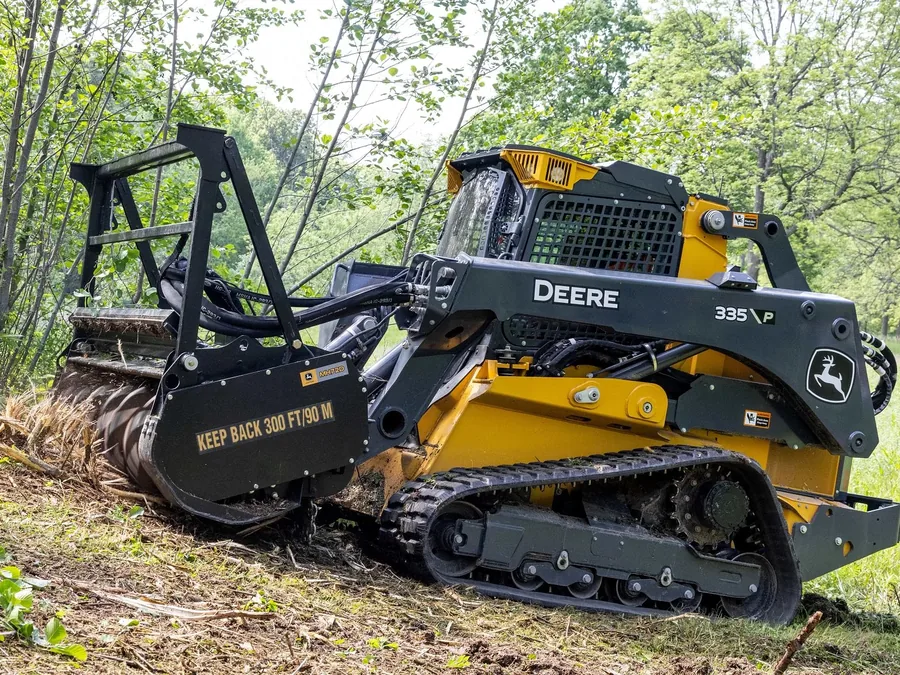
A compact track loader with a mulching head shreds cedar and brush where they grow. The mulch stays on the ground, and the trees you flag stay standing.
Learn More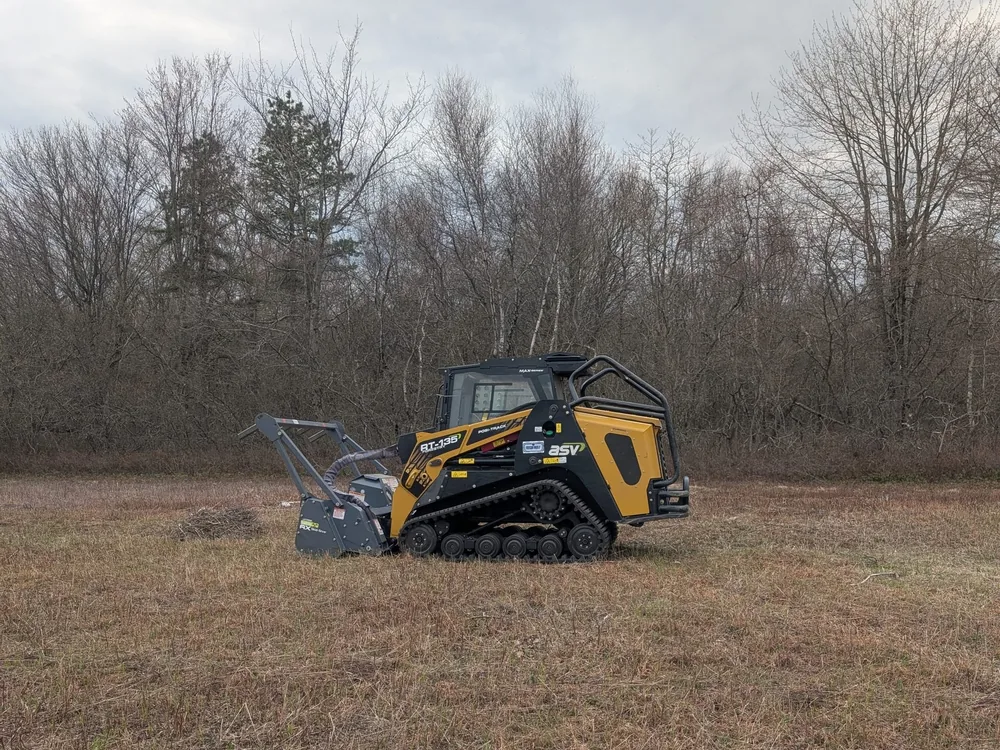
Kingdom Earthworks cuts fire breaks along fence lines and property lines and around homes and barns. The state forest service calls a fire break a break in the vegetation. Fire break work is one part of our land clearing around Waxahachie and across Ellis County. Most lines start with forestry mulching: a compact track loader with a mulching head grinds the brush where it stands.
Some lines stay mulched, with the chips left on the ground. Others get scraped down to bare soil, the kind of line the AgriLife Extension Service calls a cleared firebreak. We look at the land and the brush, then put the quote in writing. Call or text (469) 309-7002 to talk about the lines your land needs.
Tell us about the land, what you want done and where it is. We look at the land and put the quote in writing.
It depends on the growth beside the line. The AgriLife Extension Service's rule of thumb: make it at least three times as wide as the growth is tall. That way burning brush cannot fall across the bare strip. In woods with no prairie openings, it allows as little as eight feet, but says most need much more.
For a fuel break, where brush is thinned instead of cleared, the state forest service gives a minimum width. It is at least 60 feet on flat land and 100 feet on slopes. The same guide says to remove ladder fuels, the tall brush and small trees that carry fire into treetops.
A line for a prescribed burn follows the burn plan. As a general rule, the AgriLife burn handbook sets the downwind break at ten times the fuel's height. A burn boss or a certified and insured prescribed burn manager runs that fire. We cut the lines the plan calls for, ahead of burn day.
A firebreak often runs around a pasture, along the fence or the property line. Brush grows into the wire there, and a mulched lane gives equipment a way around the pasture. When the fence itself is buried in brush, fence line clearing comes first.
The extension service counts stored hay and barns among the things on a ranch to protect from fire. Around fields and structures, the state forest service advises a 30-foot barrier clear of burnable material. To meet that, a ring around a barn or a hay yard gets scraped to bare soil after mulching.
Ellis County sits on the Blackland Prairie, where mesquite and eastern red cedar take over idle pasture. The extension service warns that cedar contains chemicals that flash when exposed to fire. A line can also tie into a creek or a stock tank, both natural firebreaks in the extension service's list.
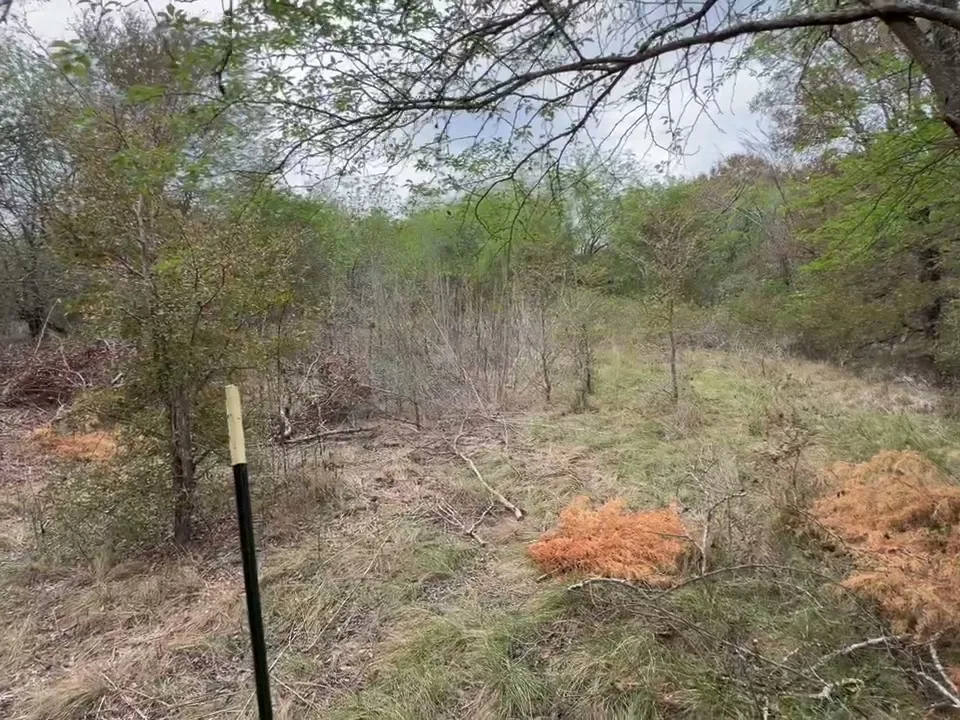
A mulched line takes the brush down to chips on the ground. The state forest service says mulched pieces still carry fire, but at much lower intensity. The extension service says a cleared firebreak must reach bare ground or mineral soil, with no bridge of dead fuel. It also warns against leaving piles of soil and grass beside the line.
Every break needs upkeep. The state forest service says regular maintenance makes breaks work better, and grazing can help. The extension service adds that plants left growing on a firebreak shorten its life. We come back with the mulcher when the brush sprouts again.
Bare lines on a slope can wash. The extension service warns that cleared firebreaks can cause erosion on slopes and erodible soils. The forest service says to follow the contour lines. Where water starts cutting a line, erosion control with rock can slow it.
Call or text for a written quote. We work about 200 miles around Waxahachie across Ellis County and the counties around Dallas and Fort Worth.
(469) 309-7002From the first call or text to the finished work, here is how it goes.
Call or text (469) 309-7002, or send the form. Tell us where the land is and how thick the brush has grown.
We come out to see the brush and the way in for the machine. You tell us what the land is for, and we plan the work around it.
The quote lists the work and the price in writing. Work starts once you approve it.
We set a start date with you and bring in the mulcher. Brush and small trees turn to mulch where they stand.
When the plan calls for dirt work, the pad and the drive go in next. The job ends with open ground ready to use.
Common questions about fire breaks around Waxahachie and the counties south of Dallas and Fort Worth. If yours is not here, call or text and ask.
A compact track loader with a mulching head shreds cedar and brush where they grow. The mulch stays on the ground, and the trees you flag stay standing.
Learn More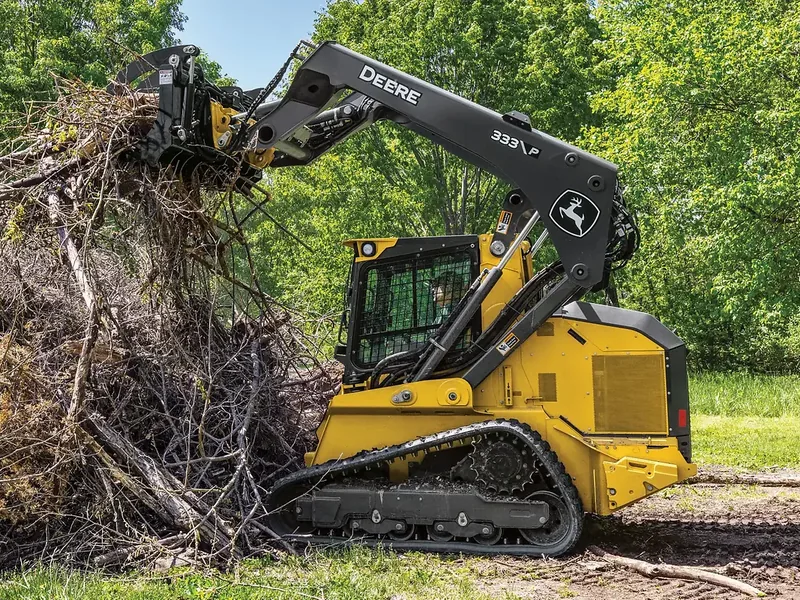
We clear thick brush and regrowth off pasture and raw land. Most of it is mulched where it stands, and a grapple can push dense brush into piles.
Learn More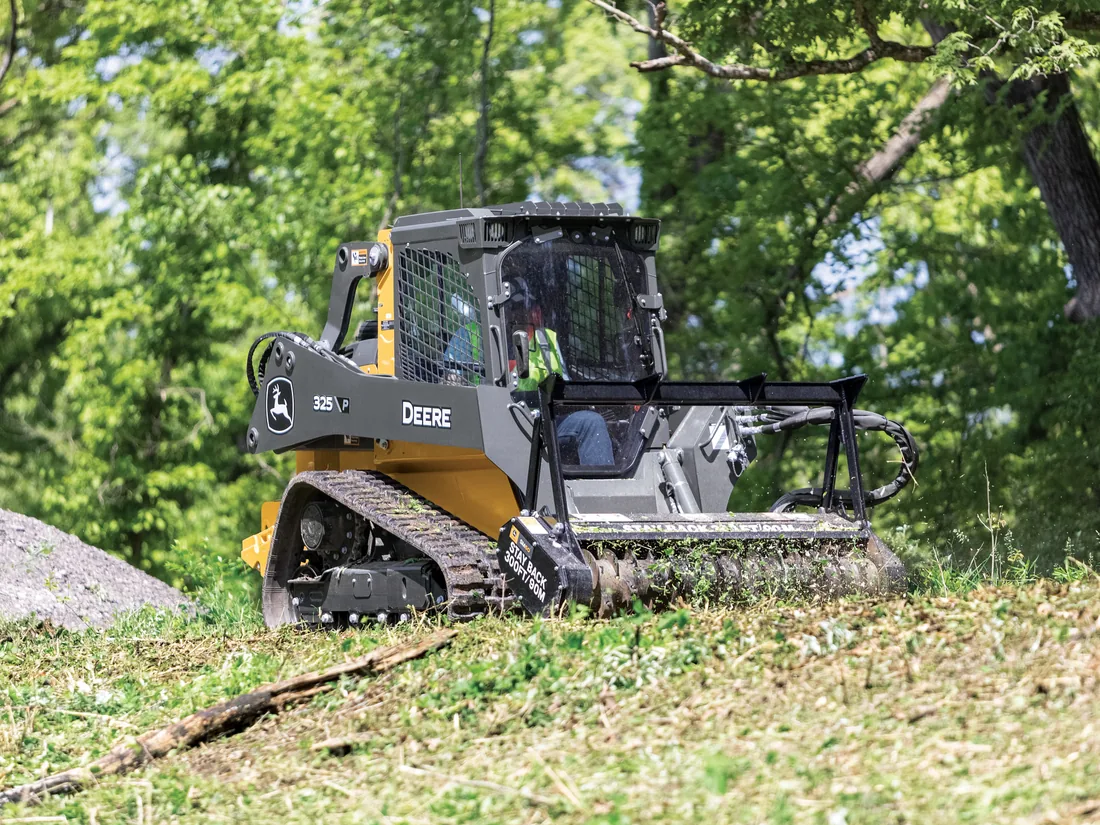
We clear building lots ahead of the builder and overgrown lots ahead of a sale. Brush and small trees are mulched in place, and the trees you want stay standing.
Learn MoreWe clear the land, then build the pad and the gravel drive that come after it. One company carries the job to finished ground.
You pick the trees that stay, and the mulcher clears the brush and saplings around them. Shade trees stay up while the thicket under them goes.
On the Blackland Prairie, black clay takes in rain slowly once it is wet. We shape pads and drives so the rain runs off them.
We come out and look at the land before we price anything. The written quote spells out the work, and you decide with it in hand.
Tell us about the land, such as how thick the brush is and how hilly the ground gets. You can also call or text (469) 309-7002, and we will set a time to look at it.
Tell us about the land, what you want done and where it is. We look at the land and put the quote in writing.